THE ADVENTURE COLLECTIVE® · Independent discovery and booking for outdoor travel

Covering Lima’s colonial charms, the wildlife-rich Ballestas Islands, dune-bashing in Huacachina, and two days in the Sacred Valley before Machu Picchu—this 6-day circuit blends coastal wildlife, desert adrenaline and high-Andean heritage into one compact itinerary.
Covering Lima’s colonial charms, the wildlife-rich Ballestas Islands, dune-bashing in Huacachina, and two days in the Sacred Valley before Machu Picchu—this 6-day circuit blends coastal wildlife, desert adrenaline and high-Andean heritage into one compact itinerary.
Dawn breaks over the Pacific as you move from Lima’s coastal bustle toward the wind-sculpted dunes of Ica, then climb through puna grasslands into the blue air of the Andes. The itinerary threads urban colonial plazas, a wildlife-scattered coast, ochre desert bowls and the steep terraces of the Sacred Valley, finishing at Machu Picchu where stone and cloud meet.
Verified experiences and guided adventures in the surrounding area.
Operated by PERU VIP TRAVEL · Cusco, Cusco
Dawn breaks over the Pacific as you move from Lima’s coastal bustle toward the wind-sculpted dunes of Ica, then climb through puna grasslands into the blue air of the Andes. The itinerary threads urban colonial plazas, a wildlife-scattered coast, ochre desert bowls and the steep terraces of the Sacred Valley, finishing at Machu Picchu where stone and cloud meet.
Coastal sections trace Peru’s arid west: Paracas’ Ballestas Islands shelter seabird colonies and a handful of sea lions carved by currents, while Huacachina’s dunes are recent deposits of Quaternary sand shifted by persistent onshore winds. Inland, the Andes here are uplifted Mesozoic and Cenozoic formations—river-cut valleys, granitic outcrops and stepped agricultural terraces that the Incas raised into long-lived infrastructure.
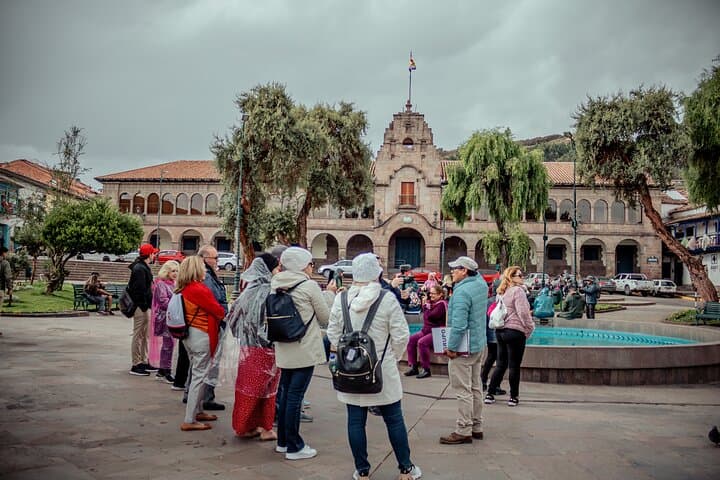
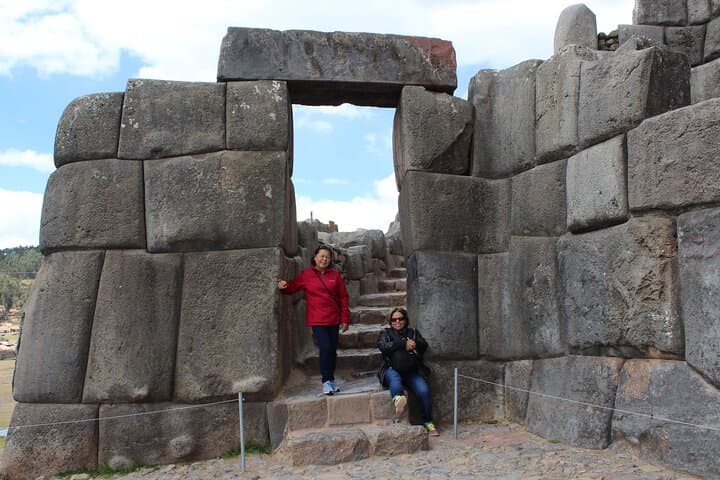
Culturally, this route moves from colonial Lima and its Baroque churches to pre-Columbian centers — Pisac’s terraces and Ollantaytambo’s fortress demonstrate Inca engineering and living agricultural systems. Local markets and textile demonstrations in Chinchero connect visitors to living craftsmanship.
Practical frame: expect airport transfers, two train segments (Ollantaytambo–Aguas Calientes ~1.5 hours each way), a 45-minute bus climb to Machu Picchu, and altitude shifts from sea level to Cusco (~3,400 m) and Machu Picchu (~2,430 m). Plan 1–2 days of gentle activity on arrival to acclimatize; carry a reusable water bottle, sun protection and sturdy shoes for uneven stonework. Timing favors the dry season (May–September) for clearer views, but layers are essential year-round as mountain weather changes fast.
moderate.
6 days.
Moderate fitness: you’ll do walking on uneven archaeological sites, short hikes and cope with altitude shifts—regular walkers will manage comfortably.
Yes—entrance slots and permitted circuits are limited and should be reserved in advance; your tour notes indicate entry will be included subject to availability.
The tourist train from Ollantaytambo to Aguas Calientes takes about 1 hour 30 minutes each way, following the Vilcanota river valley.
Symptoms are possible when moving from sea level to Cusco; allow a light activity day, hydrate, avoid alcohol and consider medication after consulting a physician.
The dry season (May–September) offers clearer skies and more reliable hiking conditions, while shoulder months can be quieter but slightly wetter.
This route spans centuries: coastal pre-Columbian fisheries and trade, colonial-era Lima architecture, and core Inca imperial sites such as Ollantaytambo and Machu Picchu that anchored Andean agriculture and cosmology.
Machu Picchu is managed with visitor limits to reduce erosion and cultural impact; Ballestas Islands are protected wildlife habitats—keep distance, avoid feeding animals and follow guide instructions.
PERU VIP TRAVEL operates guided outdoor trips and adventures with an emphasis on safety, stewardship, and memorable experiences.


Dawn breaks over the Pacific as you move from Lima’s coastal bustle toward the wind-sculpted dunes of Ica, then climb through puna grasslands into the blue air of the Andes. The itinerary threads urban colonial plazas, a wildlife-scattered coast, ochre desert bowls and the steep terraces of the Sacred Valley, finishing at Machu Picchu where stone and cloud meet.
Dawn breaks over the Pacific as you move from Lima’s coastal bustle toward the wind-sculpted dunes of Ica, then climb through puna grasslands into the blue air of the Andes. The itinerary threads urban colonial plazas, a wildlife-scattered coast, ochre desert bowls and the steep terraces of the Sacred Valley, finishing at Machu Picchu where stone and cloud meet.
Coastal sections trace Peru’s arid west: Paracas’ Ballestas Islands shelter seabird colonies and a handful of sea lions carved by currents, while Huacachina’s dunes are recent deposits of Quaternary sand shifted by persistent onshore winds. Inland, the Andes here are uplifted Mesozoic and Cenozoic formations—river-cut valleys, granitic outcrops and stepped agricultural terraces that the Incas raised into long-lived infrastructure.
Culturally, this route moves from colonial Lima and its Baroque churches to pre-Columbian centers — Pisac’s terraces and Ollantaytambo’s fortress demonstrate Inca engineering and living agricultural systems. Local markets and textile demonstrations in Chinchero connect visitors to living craftsmanship.
Practical frame: expect airport transfers, two train segments (Ollantaytambo–Aguas Calientes ~1.5 hours each way), a 45-minute bus climb to Machu Picchu, and altitude shifts from sea level to Cusco (~3,400 m) and Machu Picchu (~2,430 m). Plan 1–2 days of gentle activity on arrival to acclimatize; carry a reusable water bottle, sun protection and sturdy shoes for uneven stonework. Timing favors the dry season (May–September) for clearer views, but layers are essential year-round as mountain weather changes fast.