THE ADVENTURE COLLECTIVE® · Independent discovery and booking for outdoor travel

A compact six-day loop from Lima to Machu Picchu that pairs coastal wildlife and desert dunes with high-Andean archaeology and glacier-fed lagoons. Expect early starts, altitude, and unforgettable train and mountain-station transfers.
A compact six-day loop from Lima to Machu Picchu that pairs coastal wildlife and desert dunes with high-Andean archaeology and glacier-fed lagoons. Expect early starts, altitude, and unforgettable train and mountain-station transfers.
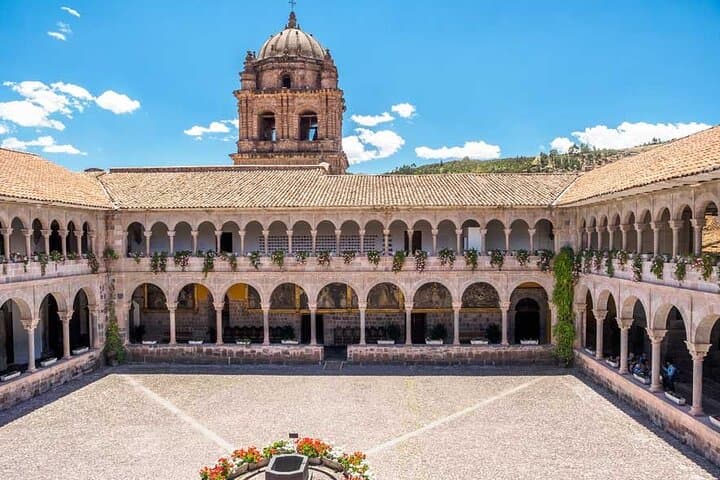
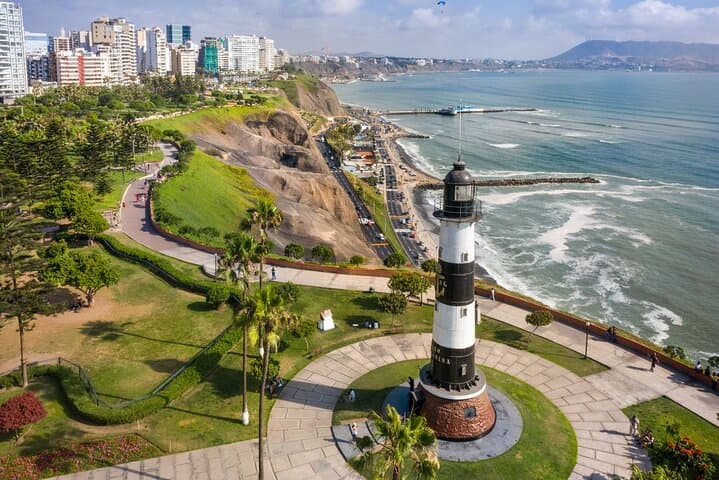
You arrive in Lima at dawn; the Pacific light is thin and cool, and the city hums between colonial plazas and modern avenues. By the second morning you are staring out over the wind-scoured dunes of Huacachina, then aboard a small boat watching sea lions and Humboldt penguins around the sculpted cliffs of the Ballestas Islands. By midweek, the air has thinned: Cusco’s high-altitude streets lead you toward terraces and temples, and the train to Aguas Calientes slips along the Urubamba like an invitation.
Verified experiences and guided adventures in the surrounding area.
Operated by MachuPicchu Journey · Cusco, Cusco Region
You arrive in Lima at dawn; the Pacific light is thin and cool, and the city hums between colonial plazas and modern avenues. By the second morning you are staring out over the wind-scoured dunes of Huacachina, then aboard a small boat watching sea lions and Humboldt penguins around the sculpted cliffs of the Ballestas Islands. By midweek, the air has thinned: Cusco’s high-altitude streets lead you toward terraces and temples, and the train to Aguas Calientes slips along the Urubamba like an invitation.
This six-day itinerary threads coastal biodiversity with Andean archaeology. In Lima you’ll walk colonial squares; Paracas and the Ballestas reveal seabird colonies and marine geology shaped by Humboldt Current upwelling. The Sacred Valley exposes Inca engineering — agricultural terraces and river-carved gorges — and Machu Picchu presents granite outcrops and subtle wet-season lichens on ancient stonework. Hikes to Humantay Lagoon and Vinicunca (Rainbow Mountain) showcase glacially fed lakes and iron-rich strata that give the mountain its bands.
Practical guidance: acclimatize in Cusco for at least a half day, drink extra water, and sleep low the night before a heavy hike. Expect varied terrain — paved town streets, compacted dirt trails, steep stone steps — and plan for early starts to beat crowds at Machu Picchu.
Bring layered clothing for sun and sudden mountain wind, sturdy hiking boots, and a lightweight rain shell. Book train and Machu Picchu tickets in advance, and budget time for bus transfers. With moderate fitness and attention to altitude, this route delivers coastal wildlife, desert adrenaline, high-Andean vistas, and one of the world’s most evocative archaeological sites.
challenging.
6 days.
Moderate to high aerobic fitness recommended due to repeated ascents and high-altitude days; ability to hike 3–6 hours on uneven terrain.
Check current national entry rules and ensure your passport is valid for at least six months; vaccine and entry requirements can change so verify before travel.
Expect 2–4 hours of walking on uneven stone terraces and steps during the guided tour, with optional extra hikes to viewpoints requiring more stamina.
Modifications depend on the operator’s logistics—ask at booking but note included transport and train schedules constrain changes close to date.
No — the lagoon is glacial and extremely cold; visits are for viewing and short breaks only, not swimming.
The Sacred Valley and Machu Picchu reflect Inca agricultural mastery and stone masonry; many terraces and pathways follow pre-Columbian irrigation and trade routes.
High visitor pressure requires responsible behavior — stick to trails, avoid single‑use plastics, and follow site rules to protect fragile high-Andean ecosystems.
MachuPicchu Journey operates guided outdoor trips and adventures with an emphasis on safety, stewardship, and memorable experiences.


You arrive in Lima at dawn; the Pacific light is thin and cool, and the city hums between colonial plazas and modern avenues. By the second morning you are staring out over the wind-scoured dunes of Huacachina, then aboard a small boat watching sea lions and Humboldt penguins around the sculpted cliffs of the Ballestas Islands. By midweek, the air has thinned: Cusco’s high-altitude streets lead you toward terraces and temples, and the train to Aguas Calientes slips along the Urubamba like an invitation.
You arrive in Lima at dawn; the Pacific light is thin and cool, and the city hums between colonial plazas and modern avenues. By the second morning you are staring out over the wind-scoured dunes of Huacachina, then aboard a small boat watching sea lions and Humboldt penguins around the sculpted cliffs of the Ballestas Islands. By midweek, the air has thinned: Cusco’s high-altitude streets lead you toward terraces and temples, and the train to Aguas Calientes slips along the Urubamba like an invitation.
This six-day itinerary threads coastal biodiversity with Andean archaeology. In Lima you’ll walk colonial squares; Paracas and the Ballestas reveal seabird colonies and marine geology shaped by Humboldt Current upwelling. The Sacred Valley exposes Inca engineering — agricultural terraces and river-carved gorges — and Machu Picchu presents granite outcrops and subtle wet-season lichens on ancient stonework. Hikes to Humantay Lagoon and Vinicunca (Rainbow Mountain) showcase glacially fed lakes and iron-rich strata that give the mountain its bands.
Practical guidance: acclimatize in Cusco for at least a half day, drink extra water, and sleep low the night before a heavy hike. Expect varied terrain — paved town streets, compacted dirt trails, steep stone steps — and plan for early starts to beat crowds at Machu Picchu.
Bring layered clothing for sun and sudden mountain wind, sturdy hiking boots, and a lightweight rain shell. Book train and Machu Picchu tickets in advance, and budget time for bus transfers. With moderate fitness and attention to altitude, this route delivers coastal wildlife, desert adrenaline, high-Andean vistas, and one of the world’s most evocative archaeological sites.