THE ADVENTURE COLLECTIVE® · Independent discovery and booking for outdoor travel

A six-day, local‑led circuit through southern Ethiopia’s Omo Valley visiting Dorze, Konso, Mursi, Karo and Hamer communities. Expect market days, river sunsets and immersive cultural encounters with long drives between villages.
A six-day, local‑led circuit through southern Ethiopia’s Omo Valley visiting Dorze, Konso, Mursi, Karo and Hamer communities. Expect market days, river sunsets and immersive cultural encounters with long drives between villages.
Dust from the road lifts as the minivan leaves the highland pines and drops toward the Omo River. You step out into heat and light: ochre earth, braided river channels, and villages that open like pages of living history. Morning markets smell of coffee, smoked meat and spices; elders sit beneath acacia trees while women apply white clay and beads flash in the sun.
Verified experiences and guided adventures in the surrounding area.
Operated by Liyu Ethiopia Tours · Jinka, Southern Nations, Nationalities, and Peoples' Region
Dust from the road lifts as the minivan leaves the highland pines and drops toward the Omo River. You step out into heat and light: ochre earth, braided river channels, and villages that open like pages of living history. Morning markets smell of coffee, smoked meat and spices; elders sit beneath acacia trees while women apply white clay and beads flash in the sun.
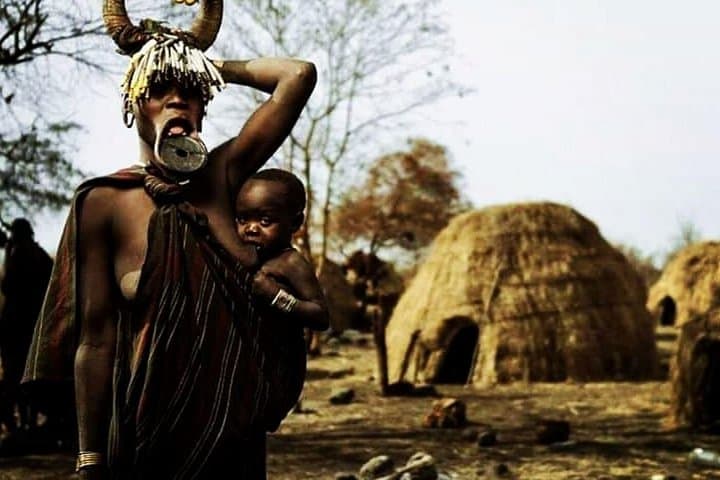
The Omo Valley is one of Africa’s most ethnically diverse regions, shaped by the river’s seasonal pulse and a landscape of volcanic escarpments, alluvial plains and terraced hills (Konso’s terraces are a UNESCO cultural landscape). Centuries of artisanal weaving, body painting, lip plates and ironwork reflect a continuity of craft and social practice rarely seen elsewhere.
On this six-day circuit you’ll visit Dorze beehive houses near Chencha, Konso stone terraces, Mursi and Karo settlements by Mago National Park, and the lively market days in Dimeka and Turmi. Expect cultural immersion more than wilderness trekking: short walks on village lanes, riverbank vistas at sunset and long road legs between towns (some unpaved).
Practical planning: travel is by air‑conditioned vehicle with daily drives typically ranging from three to eight hours; basic lodges are standard and camping is not required. Bring sun protection, cash (small notes) and a patient curiosity; ask permission before photographing people. Roads may be muddy in the rains (June–September) and seasonal logistics can change—booking a local guide supports respectful access and helps you read the shifting rhythms of markets, ceremonies and conservation rules.
moderate.
6 days.
Moderate fitness for short village walks and long vehicle transfers; able to manage uneven paths and basic hikes.
Consult your doctor about routine vaccinations and malaria prophylaxis; bring insect repellent and ensure you have travel medical insurance.
Most visiting involves short, guided walks through villages and market stalls—expect light to moderate walking on uneven surfaces rather than long treks.
Photography varies by group and event; always ask permission first and follow your guide’s advice—some ceremonies prohibit photos or require payment for images.
English‑speaking local guides are provided; learn a few Amharic or local greetings and rely on guides to interpret social norms and negotiations.
The Omo Valley has hosted long‑standing agro‑pastoral cultures; Konso’s stone terraces and the valley’s diverse languages reflect centuries of local adaptation to volatile climates.
Tourism affects remote communities and fragile riverine ecosystems—use local guides, avoid single‑use plastics, and support community enterprises to minimize impact.
Liyu Ethiopia Tours operates guided outdoor trips and adventures with an emphasis on safety, stewardship, and memorable experiences.

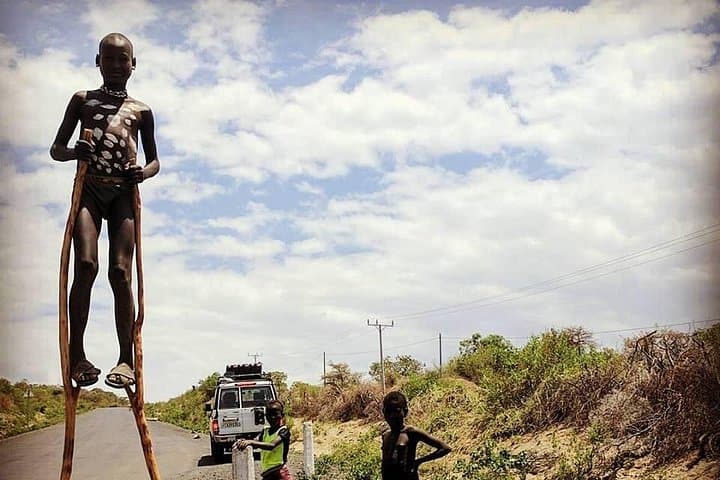
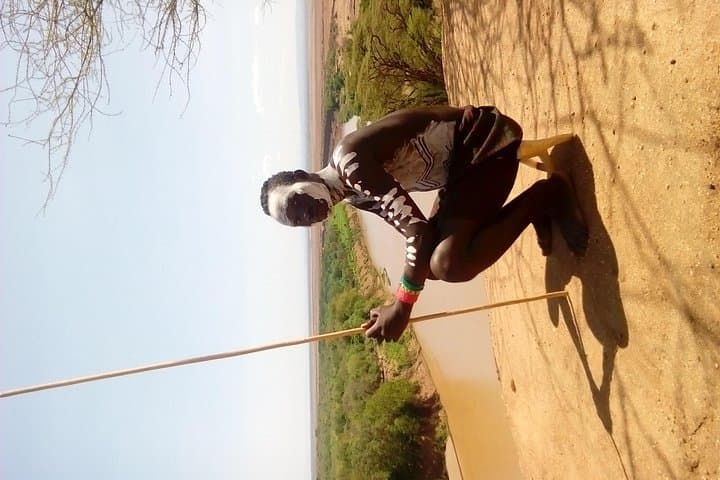
Dust from the road lifts as the minivan leaves the highland pines and drops toward the Omo River. You step out into heat and light: ochre earth, braided river channels, and villages that open like pages of living history. Morning markets smell of coffee, smoked meat and spices; elders sit beneath acacia trees while women apply white clay and beads flash in the sun.
Dust from the road lifts as the minivan leaves the highland pines and drops toward the Omo River. You step out into heat and light: ochre earth, braided river channels, and villages that open like pages of living history. Morning markets smell of coffee, smoked meat and spices; elders sit beneath acacia trees while women apply white clay and beads flash in the sun.
The Omo Valley is one of Africa’s most ethnically diverse regions, shaped by the river’s seasonal pulse and a landscape of volcanic escarpments, alluvial plains and terraced hills (Konso’s terraces are a UNESCO cultural landscape). Centuries of artisanal weaving, body painting, lip plates and ironwork reflect a continuity of craft and social practice rarely seen elsewhere.
On this six-day circuit you’ll visit Dorze beehive houses near Chencha, Konso stone terraces, Mursi and Karo settlements by Mago National Park, and the lively market days in Dimeka and Turmi. Expect cultural immersion more than wilderness trekking: short walks on village lanes, riverbank vistas at sunset and long road legs between towns (some unpaved).
Practical planning: travel is by air‑conditioned vehicle with daily drives typically ranging from three to eight hours; basic lodges are standard and camping is not required. Bring sun protection, cash (small notes) and a patient curiosity; ask permission before photographing people. Roads may be muddy in the rains (June–September) and seasonal logistics can change—booking a local guide supports respectful access and helps you read the shifting rhythms of markets, ceremonies and conservation rules.