THE ADVENTURE COLLECTIVE® · Independent discovery and booking for outdoor travel

A six-day lodging safari linking Etosha’s wildlife, Swakopmund’s coastal action and Sossusvlei’s iconic dunes. Expect long drives, close game drives, dune climbs and coastal stops with practical tips for planning.
A six-day lodging safari linking Etosha’s wildlife, Swakopmund’s coastal action and Sossusvlei’s iconic dunes. Expect long drives, close game drives, dune climbs and coastal stops with practical tips for planning.
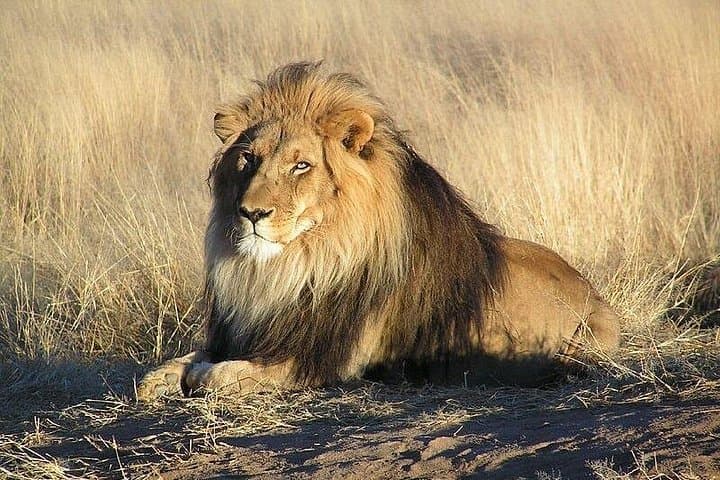
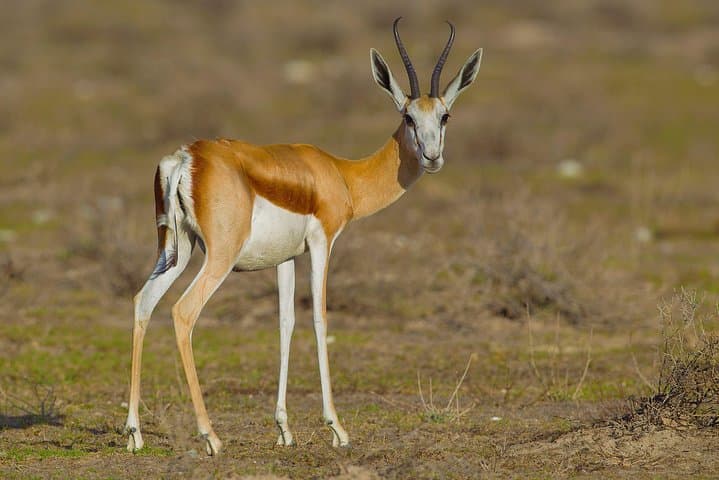
Morning light pries apart the horizon as your vehicle cuts across Namibia’s open road—red dust lifting in the wake of towns and trees. On Day 1 you travel north from Windhoek toward Etosha, where mopane woodland and salt pans open like an invitation to the park’s concentrations of wildlife. Game drives at dawn and dusk bring elephants, giraffes and lions to the foreground; waterholes cast the animals in sharp silhouette.
Verified experiences and guided adventures in the surrounding area.
Operated by Safari World Tours · Windhoek, Khomas
Morning light pries apart the horizon as your vehicle cuts across Namibia’s open road—red dust lifting in the wake of towns and trees. On Day 1 you travel north from Windhoek toward Etosha, where mopane woodland and salt pans open like an invitation to the park’s concentrations of wildlife. Game drives at dawn and dusk bring elephants, giraffes and lions to the foreground; waterholes cast the animals in sharp silhouette.
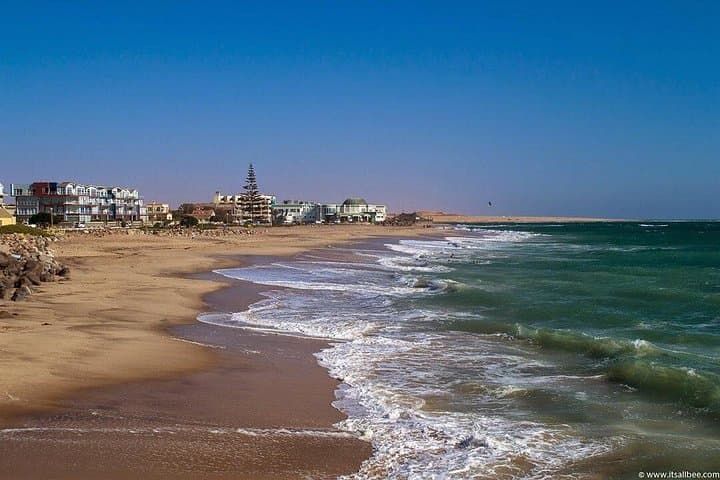
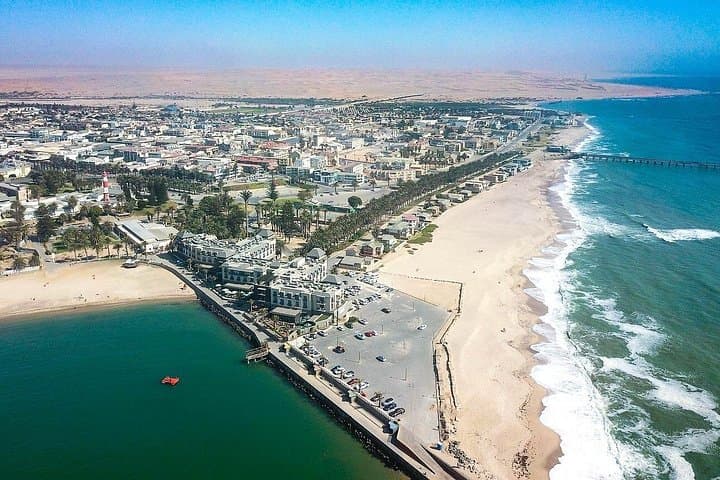
This route stitches together layers of history and geology: German colonial architecture still colors Swakopmund’s streets, while the Namib Desert to the south ranks among the planet’s oldest arid landscapes, its dunes shaped over millions of years by Atlantic winds. On the coast, Walvis Bay’s lagoon hosts flocks of flamingos; inland, the Sesriem canyon tells of rare seasonal water flow cutting through rock.
Expect varied terrain—gravel highways, mopane scrub, hard-packed pans and soft, shifting sand. Distances are long (Windhoek–Etosha ~414 km; Etosha–Swakopmund ~492 km; Swakopmund–Sossusvlei ~403 km) so travel days are substantial but punctuated by stops. Climbing Dune 45 or Big Daddy means steep ascents through loose sand (Big Daddy is roughly a 200–300 m climb from base); bring good footwear and steady legs.
Practically: carry 2–3 liters of water, sun protection and layered clothing for cool desert mornings and hot afternoons. Confirm park entrance fees and vehicle pickup points with your operator, and plan photography around golden hours when wildlife and dunes show their best contrast.
moderate.
6 days.
Suitable for travelers in average fitness; should be comfortable with several hours of walking on sand and getting in/out of safari vehicles.
Park entrance fees are typically paid locally; confirm with the operator before travel as inclusions vary by booking.
Climbs are strenuous on loose sand and can take 45–90 minutes depending on pace; basic stamina and sturdy footwear are recommended.
Game drives are usually at first light and late afternoon to match animal activity—expect departing before sunrise and returning around dinner on full-day programs.
Airport transfers are offered on request—confirm pickup details and timing with the operator when booking.
The route crosses landscapes shaped by Namibia’s colonial past and indigenous cultures; Swakopmund still shows German colonial architecture while inland trade routes influenced local communities.
Tourism fees support park management and anti-poaching work in Etosha; stick to established tracks, pack out waste and follow guides’ instructions to limit disturbance.
Safari World Tours operates guided outdoor trips and adventures with an emphasis on safety, stewardship, and memorable experiences.
Morning light pries apart the horizon as your vehicle cuts across Namibia’s open road—red dust lifting in the wake of towns and trees. On Day 1 you travel north from Windhoek toward Etosha, where mopane woodland and salt pans open like an invitation to the park’s concentrations of wildlife. Game drives at dawn and dusk bring elephants, giraffes and lions to the foreground; waterholes cast the animals in sharp silhouette.
Morning light pries apart the horizon as your vehicle cuts across Namibia’s open road—red dust lifting in the wake of towns and trees. On Day 1 you travel north from Windhoek toward Etosha, where mopane woodland and salt pans open like an invitation to the park’s concentrations of wildlife. Game drives at dawn and dusk bring elephants, giraffes and lions to the foreground; waterholes cast the animals in sharp silhouette.
This route stitches together layers of history and geology: German colonial architecture still colors Swakopmund’s streets, while the Namib Desert to the south ranks among the planet’s oldest arid landscapes, its dunes shaped over millions of years by Atlantic winds. On the coast, Walvis Bay’s lagoon hosts flocks of flamingos; inland, the Sesriem canyon tells of rare seasonal water flow cutting through rock.
Expect varied terrain—gravel highways, mopane scrub, hard-packed pans and soft, shifting sand. Distances are long (Windhoek–Etosha ~414 km; Etosha–Swakopmund ~492 km; Swakopmund–Sossusvlei ~403 km) so travel days are substantial but punctuated by stops. Climbing Dune 45 or Big Daddy means steep ascents through loose sand (Big Daddy is roughly a 200–300 m climb from base); bring good footwear and steady legs.
Practically: carry 2–3 liters of water, sun protection and layered clothing for cool desert mornings and hot afternoons. Confirm park entrance fees and vehicle pickup points with your operator, and plan photography around golden hours when wildlife and dunes show their best contrast.