THE ADVENTURE COLLECTIVE® · Independent discovery and booking for outdoor travel

Begin high on the Shira Plateau and move through rainforest, semi-desert and scree on a six-day climb to Uhuru Peak. This route is fast and high—prepare for altitude, variable terrain, and dramatic summit weather.
Begin high on the Shira Plateau and move through rainforest, semi-desert and scree on a six-day climb to Uhuru Peak. This route is fast and high—prepare for altitude, variable terrain, and dramatic summit weather.
The first steps on the Shira Route begin where the forest thins and the mountain opens — a high, wind-buffed plateau at roughly 3,600 m that already feels like a different world. Early daylight reveals bands of cloud sliding beneath volcanic ridges while the trail climbs through heather and scattered moorland toward the jagged silhouette of the Lava Tower.
Verified experiences and guided adventures in the surrounding area.
Operated by MORAKA AFRICA SAFARIS · Moshi, Kilimanjaro Region
The first steps on the Shira Route begin where the forest thins and the mountain opens — a high, wind-buffed plateau at roughly 3,600 m that already feels like a different world. Early daylight reveals bands of cloud sliding beneath volcanic ridges while the trail climbs through heather and scattered moorland toward the jagged silhouette of the Lava Tower.
Kilimanjaro is an ancient stratovolcano built from successive eruptions; the Shira Plateau is the eroded remnant of an older crater flank. The route follows trails that shift from montane rainforest to alpine desert, offering views onto Kibo’s icefields and the southern glaciers that have been shrinking for decades. Locally, the Chagga people have long guided mountain traffic from the plains below, and villages around Moshi retain a culture of coffee farming and hospitality for trekkers.
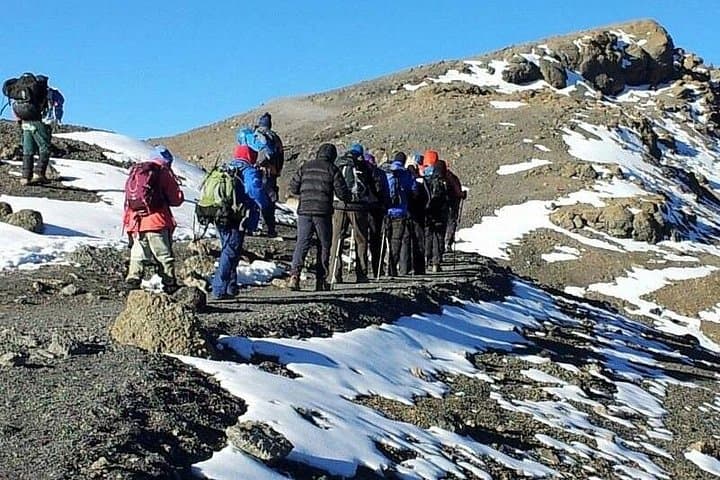
Practically, the Shira Route is a fast, high-start itinerary: acclimatization is limited and altitude is the dominant hazard. Expect mixed terrain — muddy forest tracks, steep scree and loose volcanic gravel — and highly variable weather. Gaiters and trekking poles will save knees on descents; layers, a warm sleeping bag, and sun protection are non-negotiable.
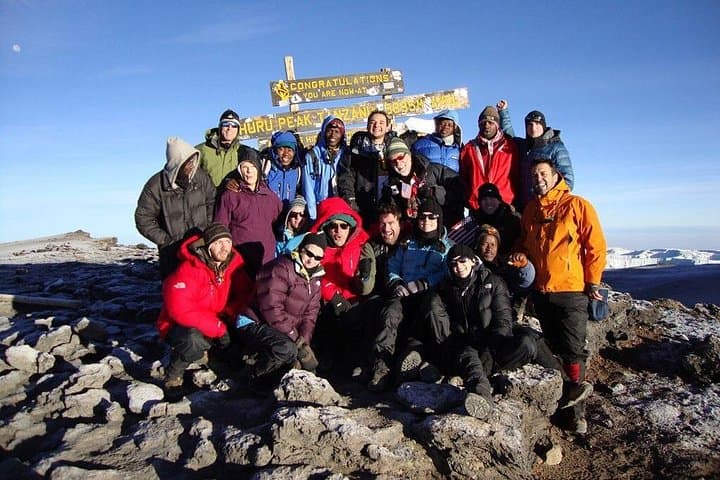
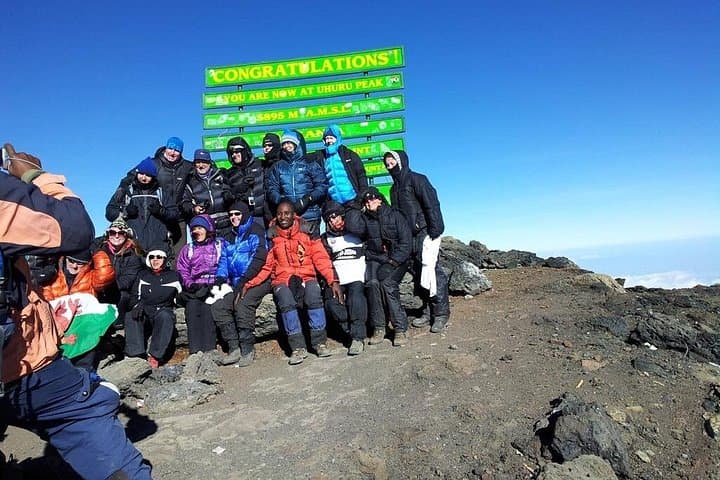
Daily stages include Shira 2, Lava Tower, Barranco, Karanga, Barafu and the midnight push to Uhuru Peak at 5,895 m, followed by a long descent to Mweka. Walk conservatively, stay hydrated, and watch for early signs of AMS. With good guides and realistic pacing, the route is a compact, dramatic way to stand on Africa’s roof.
difficult.
6 days.
Suitable for fit hikers with multi-day trekking experience and previous exposure to high altitude; expect long days and strong elevation change.
Summit day typically starts between midnight and 2:00 AM; ascent to Uhuru Peak from Barafu takes 5–7 hours, with a further 5–6 hour descent to Mweka.
Technical climbing skills aren’t required, but prior multi-day trekking experience and good cardiovascular fitness are strongly recommended due to altitude and long summit day.
Altitude sickness is the primary risk, followed by hypothermia on summit night and slips on loose scree; proper pacing, hydration and guide decisions mitigate these risks.
The clearest windows are mid-December to mid-March and late June to October; avoid the long rains (March–May) when trails can be muddy and visibility poor.
Kilimanjaro’s peaks are the remains of three volcanic cones (Kibo, Mawenzi, Shira); the mountain has long been important to local Chagga agricultural communities and later European explorers.
Kilimanjaro’s glaciers have retreated markedly over the last century; visitors are asked to minimize waste, stick to established trails, and respect park regulations to reduce erosion and ecological impact.
MORAKA AFRICA SAFARIS operates guided outdoor trips and adventures with an emphasis on safety, stewardship, and memorable experiences.

The first steps on the Shira Route begin where the forest thins and the mountain opens — a high, wind-buffed plateau at roughly 3,600 m that already feels like a different world. Early daylight reveals bands of cloud sliding beneath volcanic ridges while the trail climbs through heather and scattered moorland toward the jagged silhouette of the Lava Tower.
The first steps on the Shira Route begin where the forest thins and the mountain opens — a high, wind-buffed plateau at roughly 3,600 m that already feels like a different world. Early daylight reveals bands of cloud sliding beneath volcanic ridges while the trail climbs through heather and scattered moorland toward the jagged silhouette of the Lava Tower.
Kilimanjaro is an ancient stratovolcano built from successive eruptions; the Shira Plateau is the eroded remnant of an older crater flank. The route follows trails that shift from montane rainforest to alpine desert, offering views onto Kibo’s icefields and the southern glaciers that have been shrinking for decades. Locally, the Chagga people have long guided mountain traffic from the plains below, and villages around Moshi retain a culture of coffee farming and hospitality for trekkers.
Practically, the Shira Route is a fast, high-start itinerary: acclimatization is limited and altitude is the dominant hazard. Expect mixed terrain — muddy forest tracks, steep scree and loose volcanic gravel — and highly variable weather. Gaiters and trekking poles will save knees on descents; layers, a warm sleeping bag, and sun protection are non-negotiable.
Daily stages include Shira 2, Lava Tower, Barranco, Karanga, Barafu and the midnight push to Uhuru Peak at 5,895 m, followed by a long descent to Mweka. Walk conservatively, stay hydrated, and watch for early signs of AMS. With good guides and realistic pacing, the route is a compact, dramatic way to stand on Africa’s roof.