THE ADVENTURE COLLECTIVE® · Independent discovery and booking for outdoor travel

Trek the Sirimon Route over six days to Point Lenana, moving from forest to high moorland and glacial valleys. This classic, non-technical climb demands steady pacing, altitude awareness, and basic camping comfort.
Trek the Sirimon Route over six days to Point Lenana, moving from forest to high moorland and glacial valleys. This classic, non-technical climb demands steady pacing, altitude awareness, and basic camping comfort.
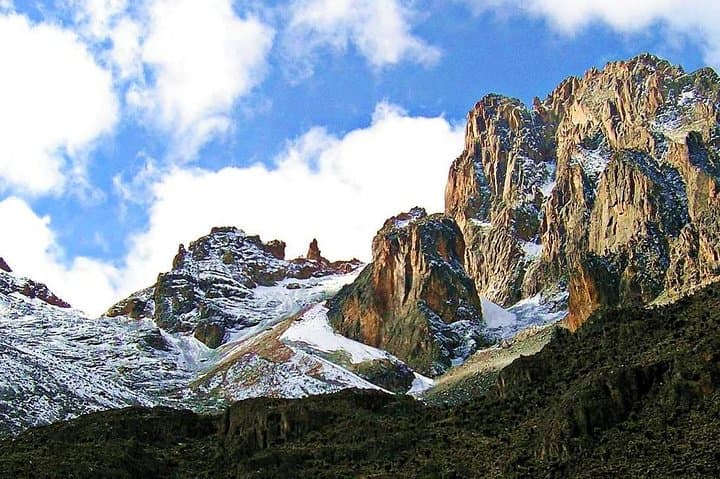
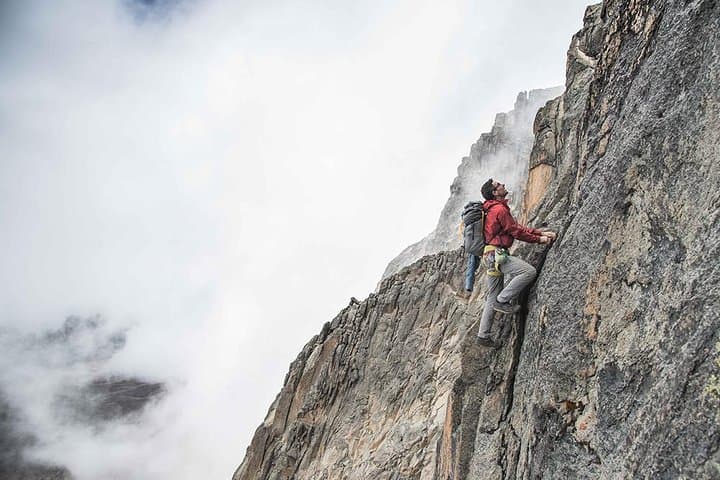
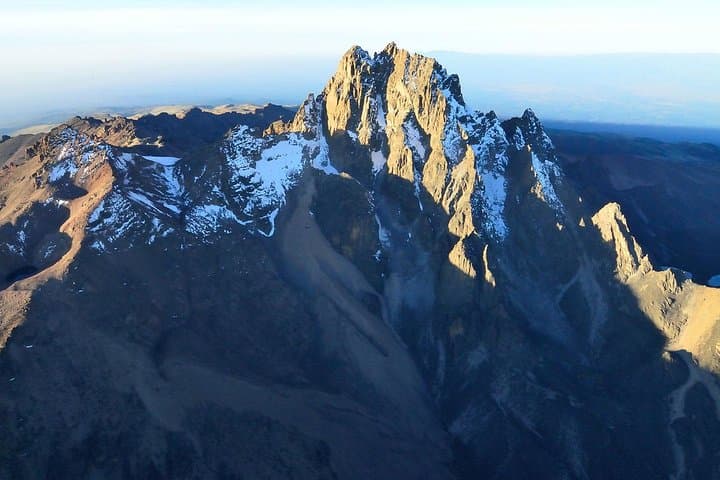
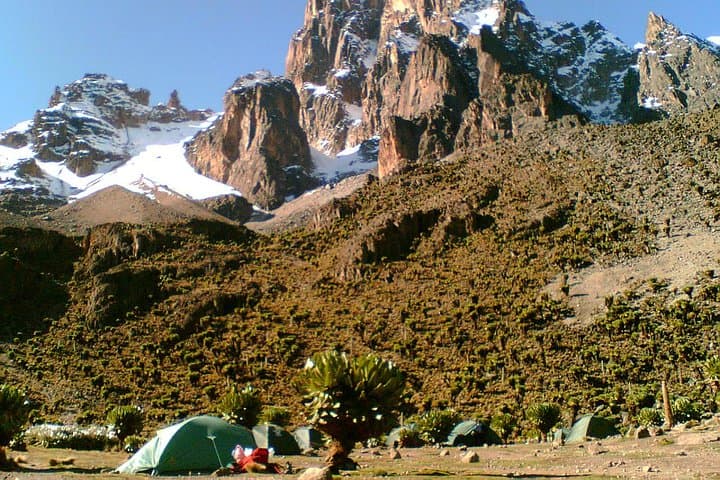
At 2 a.m. the headlamp cones cut through cold air and the flank of Mount Kenya pushes back the light—gravel crunches under boots, and the trail hums with the slow rhythm of climbers moving toward Point Lenana. The Sirimon Route opens in a forest that gives way to heather and alpine moor, then the vertical bog and the wide Teleki Valley beneath the jagged glacial ribs of Batian and Nelion.
Verified experiences and guided adventures in the surrounding area.
Operated by Gracepatt Ecotours Kenya · Nanyuki, Laikipia County
At 2 a.m. the headlamp cones cut through cold air and the flank of Mount Kenya pushes back the light—gravel crunches under boots, and the trail hums with the slow rhythm of climbers moving toward Point Lenana. The Sirimon Route opens in a forest that gives way to heather and alpine moor, then the vertical bog and the wide Teleki Valley beneath the jagged glacial ribs of Batian and Nelion.
This route has long been the classic access to Kenya’s second-highest peak, favored for a direct line to Point Lenana (4,985 m) and for camps that follow traditional porter-supported logistics. Geology here is volcanic core and glacial sculpting: granite towers, corries carved by ancient ice, and the fragile high-altitude bogs that require careful footwork. Along the lower slopes, Kikuyu and Meru communities historically harvested mountain resources and still manage lodges and guiding services that shape the climbing culture.
Expect a steady six-day progression: forested switchbacks to Old Moses, a high moorland crossing, Shipton’s and Mackinder’s camps for acclimatization, and a pre-dawn summit push. Weather shifts fast—sunny midday, sharp wind above 4,000 m, and sudden snow on the cols.
Practical guidance: hydrate, eat frequently, and pace for altitude rather than speed. Good leather boots and a warm down layer are essential; poles ease boggy sections. Book with a provider that uses treated water, local guides, and permits. Allow an extra acclimatization night if you’re sensitive to altitude—mountain success is as much patience as power.
challenging.
6 days.
Good aerobic base and experience with multi-day trekking; ability to carry a daypack for 6–8 hours on summit day.
No—Point Lenana is a non-technical trek; crampons or ropes are not required in normal conditions, though microspikes may help if there’s ice.
You should have regular cardiovascular fitness and experience with multi-day hikes; acclimatization is more important than raw fitness.
Yes—entry permits for Mount Kenya National Park are required and typically arranged by your operator as part of the package.
Conditions vary: warm and sunny lower down, cold and windy above 4,000 m, with potential snow or sleet during rains or at high altitude—dress in layers.
Local Kikuyu and Meru communities have long used the mountain for spiritual and resource purposes; European mountaineering began here in the early 20th century with surveys and climbs of the peaks.
The alpine bogs and glacial features are fragile—stick to established paths, avoid creating new latrines, and support operators who use treated water and porter welfare practices.
Gracepatt Ecotours Kenya operates guided outdoor trips and adventures with an emphasis on safety, stewardship, and memorable experiences.
At 2 a.m. the headlamp cones cut through cold air and the flank of Mount Kenya pushes back the light—gravel crunches under boots, and the trail hums with the slow rhythm of climbers moving toward Point Lenana. The Sirimon Route opens in a forest that gives way to heather and alpine moor, then the vertical bog and the wide Teleki Valley beneath the jagged glacial ribs of Batian and Nelion.
At 2 a.m. the headlamp cones cut through cold air and the flank of Mount Kenya pushes back the light—gravel crunches under boots, and the trail hums with the slow rhythm of climbers moving toward Point Lenana. The Sirimon Route opens in a forest that gives way to heather and alpine moor, then the vertical bog and the wide Teleki Valley beneath the jagged glacial ribs of Batian and Nelion.
This route has long been the classic access to Kenya’s second-highest peak, favored for a direct line to Point Lenana (4,985 m) and for camps that follow traditional porter-supported logistics. Geology here is volcanic core and glacial sculpting: granite towers, corries carved by ancient ice, and the fragile high-altitude bogs that require careful footwork. Along the lower slopes, Kikuyu and Meru communities historically harvested mountain resources and still manage lodges and guiding services that shape the climbing culture.
Expect a steady six-day progression: forested switchbacks to Old Moses, a high moorland crossing, Shipton’s and Mackinder’s camps for acclimatization, and a pre-dawn summit push. Weather shifts fast—sunny midday, sharp wind above 4,000 m, and sudden snow on the cols.
Practical guidance: hydrate, eat frequently, and pace for altitude rather than speed. Good leather boots and a warm down layer are essential; poles ease boggy sections. Book with a provider that uses treated water, local guides, and permits. Allow an extra acclimatization night if you’re sensitive to altitude—mountain success is as much patience as power.