THE ADVENTURE COLLECTIVE® · Independent discovery and booking for outdoor travel

A six-day guided ascent of Mount Kenya via the Sirimon Route, ending with an early-morning push to Point Lenana. Expect forest tracks, alpine ridges and multi-day camp logistics—ideal for experienced trekkers acclimatizing to high altitude.
A six-day guided ascent of Mount Kenya via the Sirimon Route, ending with an early-morning push to Point Lenana. Expect forest tracks, alpine ridges and multi-day camp logistics—ideal for experienced trekkers acclimatizing to high altitude.
Dawn on the Sirimon trail feels immediate: a cool, brittle light filtering through montane forest as you step away from the last villages and the road noise fades. The path climbs steadily, first through towering podocarp and cedar, then into heathland where giant lobelias and senecios punctuate the scrub. By night you’ll be under a high sky so sharp the stars seem to press closer.
Verified experiences and guided adventures in the surrounding area.
Operated by Shagami Kenya Tours and Safaris · Nanyuki, Laikipia County
Dawn on the Sirimon trail feels immediate: a cool, brittle light filtering through montane forest as you step away from the last villages and the road noise fades. The path climbs steadily, first through towering podocarp and cedar, then into heathland where giant lobelias and senecios punctuate the scrub. By night you’ll be under a high sky so sharp the stars seem to press closer.
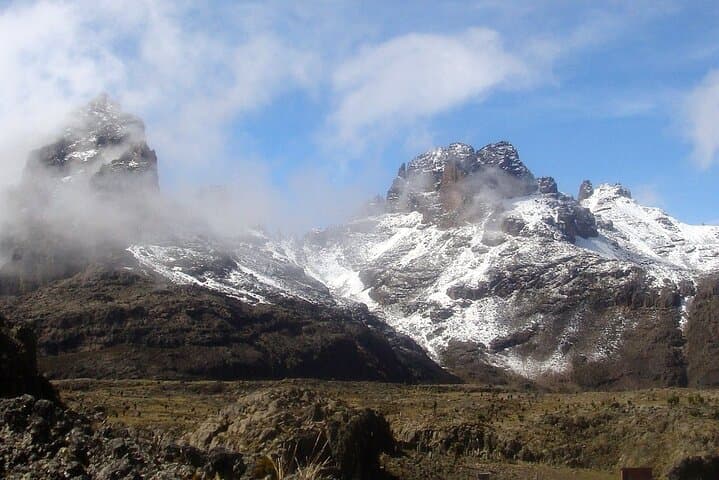
Mount Kenya is an ancient stratovolcano whose eroded peaks—Batian, Nelion and Point Lenana—tell of uplift and glaciation. The Sirimon route approaches from the northwest, drier than Naromoru, and offers long ridge walking, dramatic cols and close-up views of the mountain’s north face. The area sits within Mount Kenya National Park, a UNESCO site with a history of Kikuyu and Maasai cultural ties and colonial-era alpine exploration.
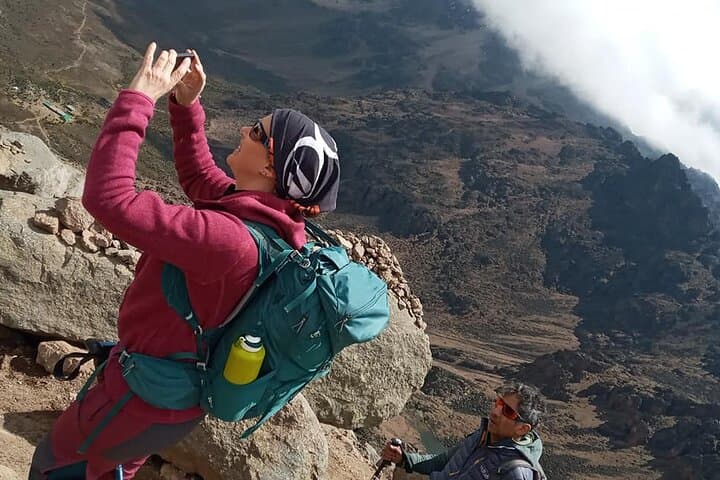
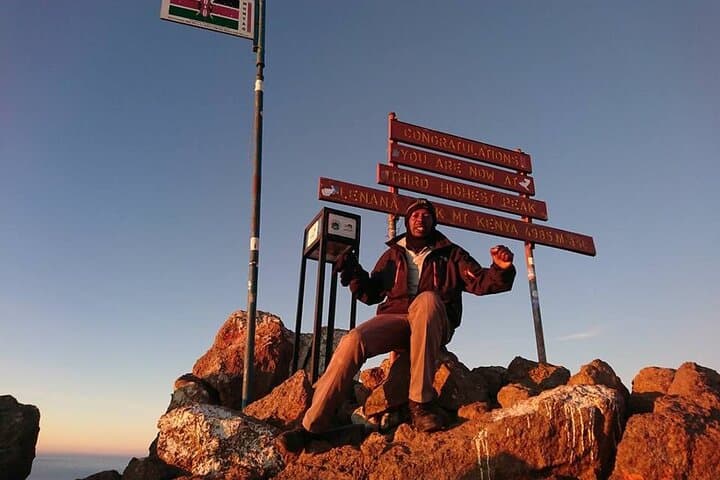
Expect 5 evenings of backcountry camps and a pre-dawn summit push to Point Lenana (4,985 m) on day five. Terrain shifts from forest mud to rocky ledges, scree and occasional snow at higher elevations. Guides and porters are standard; park entry and camping permits are required. Plan for slow pacing to acclimatize: Shipton’s and Mackinder’s areas are used for rest days before the summit bid.
Practical essentials: sturdy, broken-in boots; warm layered clothing; high-calorie meals and water treatment; and early starts for weather windows. Altitude is the main objective hazard—know symptoms and descend if needed. With reasonable fitness and respect for the mountain, the Sirimon route delivers technical simplicity, serious elevation and memorable alpine atmosphere.
challenging.
6 days.
Good cardiovascular fitness and prior multi-day trekking experience recommended; comfortable with long days and altitude
No technical climbing is required to reach Point Lenana, but prior high-altitude trekking experience and good fitness are strongly recommended.
Tours typically include Mount Kenya National Park entry and camping permits—confirm with the operator before booking.
The drier months (January–March and July–October) give more stable weather and clearer summit windows, though conditions can change year-round.
Altitude is the principal risk; the itinerary includes acclimatization stops, but be prepared to descend if you experience AMS symptoms and carry basic meds or consult a doctor beforehand.
Mount Kenya has been a cultural landmark for Kikuyu and Maasai communities and was later surveyed by colonial-era explorers; its peaks are remnants of an ancient volcano sculpted by glaciers.
Mount Kenya National Park is protected and entry permits are enforced; stick to trails, pack out waste and respect fragile afro-alpine vegetation to minimize impact.
Shagami Kenya Tours and Safaris operates guided outdoor trips and adventures with an emphasis on safety, stewardship, and memorable experiences.
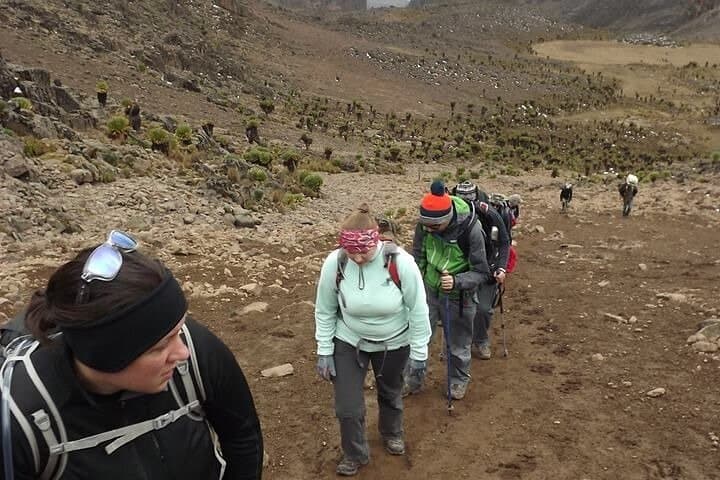
Dawn on the Sirimon trail feels immediate: a cool, brittle light filtering through montane forest as you step away from the last villages and the road noise fades. The path climbs steadily, first through towering podocarp and cedar, then into heathland where giant lobelias and senecios punctuate the scrub. By night you’ll be under a high sky so sharp the stars seem to press closer.
Dawn on the Sirimon trail feels immediate: a cool, brittle light filtering through montane forest as you step away from the last villages and the road noise fades. The path climbs steadily, first through towering podocarp and cedar, then into heathland where giant lobelias and senecios punctuate the scrub. By night you’ll be under a high sky so sharp the stars seem to press closer.
Mount Kenya is an ancient stratovolcano whose eroded peaks—Batian, Nelion and Point Lenana—tell of uplift and glaciation. The Sirimon route approaches from the northwest, drier than Naromoru, and offers long ridge walking, dramatic cols and close-up views of the mountain’s north face. The area sits within Mount Kenya National Park, a UNESCO site with a history of Kikuyu and Maasai cultural ties and colonial-era alpine exploration.
Expect 5 evenings of backcountry camps and a pre-dawn summit push to Point Lenana (4,985 m) on day five. Terrain shifts from forest mud to rocky ledges, scree and occasional snow at higher elevations. Guides and porters are standard; park entry and camping permits are required. Plan for slow pacing to acclimatize: Shipton’s and Mackinder’s areas are used for rest days before the summit bid.
Practical essentials: sturdy, broken-in boots; warm layered clothing; high-calorie meals and water treatment; and early starts for weather windows. Altitude is the main objective hazard—know symptoms and descend if needed. With reasonable fitness and respect for the mountain, the Sirimon route delivers technical simplicity, serious elevation and memorable alpine atmosphere.