THE ADVENTURE COLLECTIVE® · Independent discovery and booking for outdoor travel

Cross imperial cities, cedar forests and the Erg Chebbi dunes on a six-day circuit from Casablanca to Marrakech. Expect medieval medinas, desert camel treks and dramatic gorges with practical guidance for each leg.
Cross imperial cities, cedar forests and the Erg Chebbi dunes on a six-day circuit from Casablanca to Marrakech. Expect medieval medinas, desert camel treks and dramatic gorges with practical guidance for each leg.
A wind off the Sahara pushes across a band of high dunes as the caravan of camels moves like a slow decision across Erg Chebbi. Early light paints the sand in copper and gold while the guide reads the horizon — a day that began in the labyrinth of Fez will end under a sky full of stars.
Verified experiences and guided adventures in the surrounding area.
Operated by Nice Days Tours · Casablanca, Grand Casablanca
A wind off the Sahara pushes across a band of high dunes as the caravan of camels moves like a slow decision across Erg Chebbi. Early light paints the sand in copper and gold while the guide reads the horizon — a day that began in the labyrinth of Fez will end under a sky full of stars.
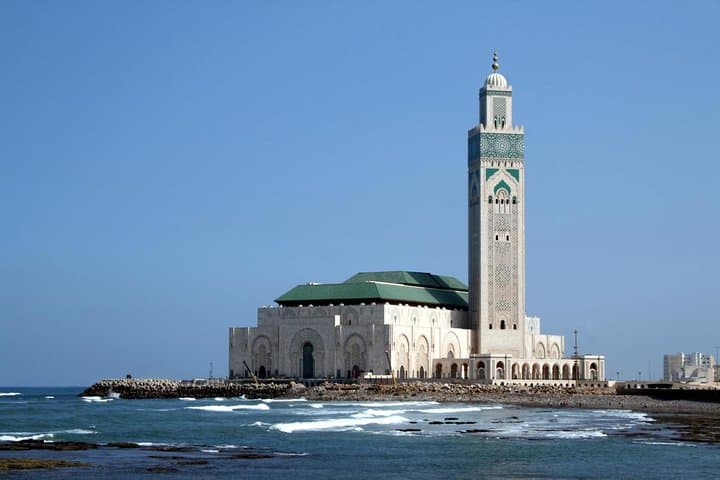
This six-day loop links Morocco’s imperial cities with the Middle and High Atlas ranges and the eastern Sahara. Travelers move from Casablanca’s modern waterfront to Fez’s medieval medina, cross cedar forests near Ifrane, follow the volcanic cuts of the Ziz Gorges, and stand in the shadow of Todra’s limestone walls. The route traces centuries of trade: Sijilmassa’s salt caravans, Berber settlements, and fortified ksars that guarded routes across the desert.
Geologically the trip shifts fast — Atlantic plain, folded Atlas, then dunes formed by wind and ancient riverbeds. Culturally it’s equally varied: Andalusian fountains and tanneries in Fez, Gnawa musicians in Khamlia, and the rose stalls in Kalaat M’Gouna.
Practical planning: expect long drives between stops—plan for 4–6 hours on transit days—and short guided walks, plus a camel trek and an overnight desert camp. Wear broken-in walking shoes, sun protection, and layers for cold desert nights. Carry cash for souks and tips; bottled water is provided but bring a refill bottle.
Timing matters: sunrise in the dunes is the highlight, and the itinerary suits travelers who want cultural depth with a steady pace of outdoor time.
moderate.
6 days.
Suitable for travelers with reasonable fitness who can handle several hours of walking, climbing dunes, and long vehicle transfers.
Visa requirements depend on your nationality—check Morocco’s entry rules for your passport before booking.
The camel ride is gentle and suitable for most people; it involves mounting assistance and short walks in sand.
Yes; the itinerary includes riads/hotels for most nights and one overnight in a desert camp.
This listing describes a private tour with transportation and a dedicated driver.
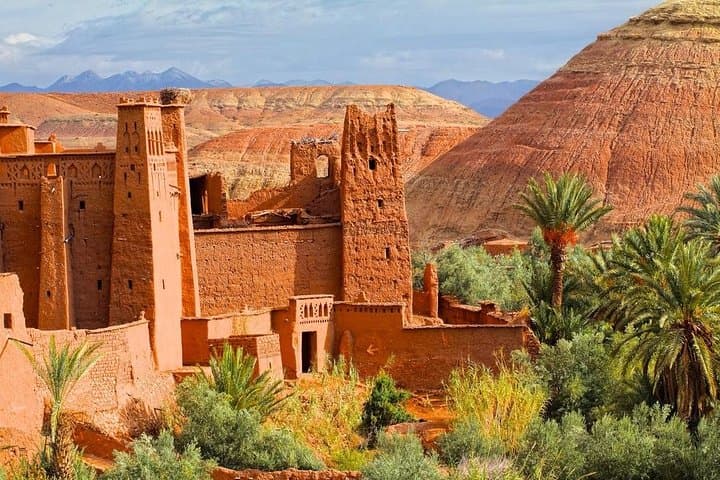
The route follows historic caravan corridors like Sijilmassa and visits ksars that grew wealthy on trans-Saharan salt and date trade.
Respect fragile desert soils by staying on established tracks and minimizing campfire impact; many local operators support water conservation and responsible waste practices.
Nice Days Tours operates guided outdoor trips and adventures with an emphasis on safety, stewardship, and memorable experiences.
A wind off the Sahara pushes across a band of high dunes as the caravan of camels moves like a slow decision across Erg Chebbi. Early light paints the sand in copper and gold while the guide reads the horizon — a day that began in the labyrinth of Fez will end under a sky full of stars.
A wind off the Sahara pushes across a band of high dunes as the caravan of camels moves like a slow decision across Erg Chebbi. Early light paints the sand in copper and gold while the guide reads the horizon — a day that began in the labyrinth of Fez will end under a sky full of stars.
This six-day loop links Morocco’s imperial cities with the Middle and High Atlas ranges and the eastern Sahara. Travelers move from Casablanca’s modern waterfront to Fez’s medieval medina, cross cedar forests near Ifrane, follow the volcanic cuts of the Ziz Gorges, and stand in the shadow of Todra’s limestone walls. The route traces centuries of trade: Sijilmassa’s salt caravans, Berber settlements, and fortified ksars that guarded routes across the desert.
Geologically the trip shifts fast — Atlantic plain, folded Atlas, then dunes formed by wind and ancient riverbeds. Culturally it’s equally varied: Andalusian fountains and tanneries in Fez, Gnawa musicians in Khamlia, and the rose stalls in Kalaat M’Gouna.
Practical planning: expect long drives between stops—plan for 4–6 hours on transit days—and short guided walks, plus a camel trek and an overnight desert camp. Wear broken-in walking shoes, sun protection, and layers for cold desert nights. Carry cash for souks and tips; bottled water is provided but bring a refill bottle.
Timing matters: sunrise in the dunes is the highlight, and the itinerary suits travelers who want cultural depth with a steady pace of outdoor time.