THE ADVENTURE COLLECTIVE® · Independent discovery and booking for outdoor travel

Explore Moldova’s low limestone cliffs, vast underground wine cellars and the Soviet-era oddities of Transnistria on a six-day circuit from Chișinău. Expect cave monasteries, record-setting wineries and intimate encounters with Gagauz culture.
Explore Moldova’s low limestone cliffs, vast underground wine cellars and the Soviet-era oddities of Transnistria on a six-day circuit from Chișinău. Expect cave monasteries, record-setting wineries and intimate encounters with Gagauz culture.
Step off the plane into Chișinău and the air smells faintly of vineyards and diesel—an honest welcome to a small capital that fronts rolling vineyards, oak-rich Codri, and the slow sweep of the Dniester River.
Verified experiences and guided adventures in the surrounding area.
Operated by Moldovatovisit&tours · Chișinău, Chișinău
Step off the plane into Chișinău and the air smells faintly of vineyards and diesel—an honest welcome to a small capital that fronts rolling vineyards, oak-rich Codri, and the slow sweep of the Dniester River.
Over six days you move between low limestone cliffs, underground wine labyrinths and Soviet-era avenues. In the Codri Forest, Hincu Monastery sits quiet among beeches; farther east, Orheiul Vechi perches on jagged limestone where monks carved a cave complex into the cliff face in the medieval era. Moldova’s underground speaks loudest at Milestii Mici and Cricova—labyrinthine cellars carved from limestone and cataloging vintages; Milestii Mici’s corridors extend for hundreds of kilometers and hold a Guinness record for their scale.
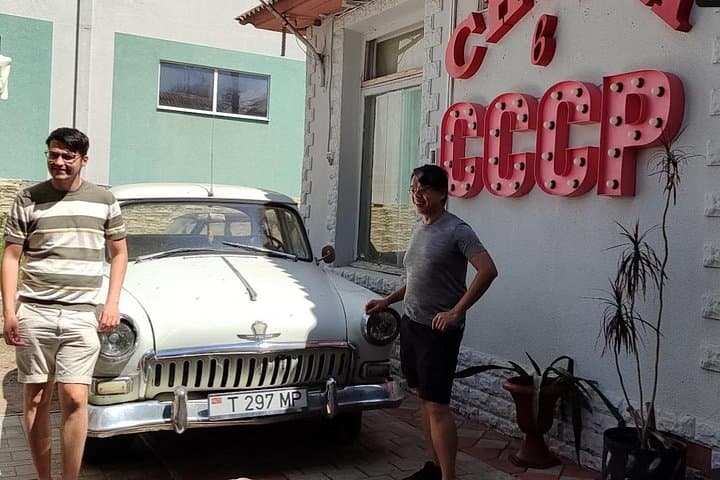
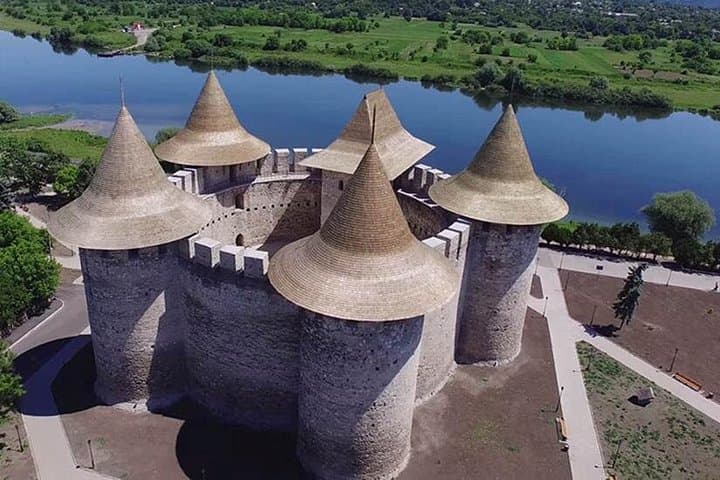
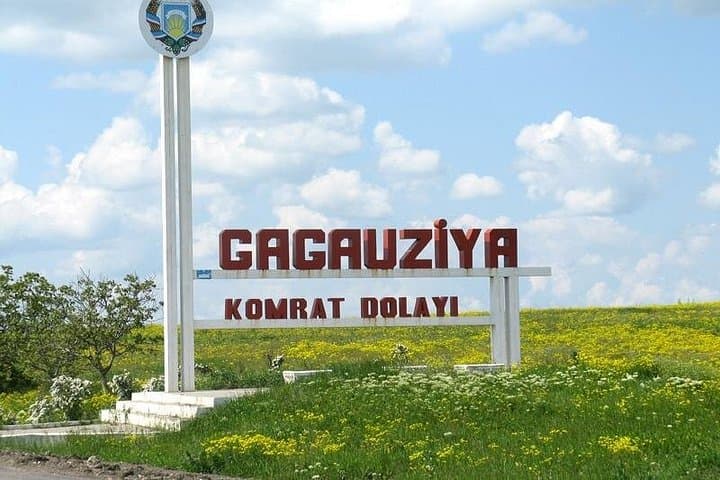
Culture layers the landscape. Gagauz villages south of Chișinău preserve a Turkic-Moldovan blend of language and festivals; Transnistria across the Dniester retains Soviet iconography and militarized memorials that reveal post-Soviet geopolitics as much as history. Soroca’s 15th-century fortress crowns a gravel spit over the river, offering wide views where borderlands meet river plains.
Practical guidance: bring a passport (border formalities are handled on organized tours), Moldovan leu for small purchases, and sturdy shoes for uneven limestone paths. Expect short drives (30–90 minutes) to most sites; Soroca and Comrat are longer day trips (2–3 hours each way). Cellar temperatures are cool—carry a light layer—and tasting schedules often cluster midday, so plan for slower afternoons. This itinerary balances gentle walking with plenty of seated discovery—wine, history and quiet vistas in equal measure.
easy.
6 days (full days).
Suitable for travelers in average physical condition; requires short to moderate walks, boarding vehicles, and some stairs in cellars and monasteries.
Visa rules depend on your nationality; most visitors enter Transnistria via Moldova with passport checks—organized tours typically handle checkpoint formalities but carry your passport.
Cellar temperatures typically hover around 8–14°C (46–57°F), so bring a light layer for tastings and long tours underground.
No—days include walking tours and short hikes on uneven terrain, but the trip is classified as easy; basic mobility is sufficient.
Moldovan leu (MDL) is recommended for local purchases; euros are accepted at some tourist sites, but cash small bills in leu are useful in villages.
Moldova’s landscape reflects layered rule—from medieval principalities to Ottoman suzerainty and Soviet governance—visible in monasteries, fortresses and Transnistria’s Soviet monuments.
Many cave monasteries and cellar networks sit in fragile limestone; stick to marked paths, avoid touching frescoes, and support local wineries that use sustainable vineyard practices when possible.
Moldovatovisit&tours operates guided outdoor trips and adventures with an emphasis on safety, stewardship, and memorable experiences.

Step off the plane into Chișinău and the air smells faintly of vineyards and diesel—an honest welcome to a small capital that fronts rolling vineyards, oak-rich Codri, and the slow sweep of the Dniester River.
Step off the plane into Chișinău and the air smells faintly of vineyards and diesel—an honest welcome to a small capital that fronts rolling vineyards, oak-rich Codri, and the slow sweep of the Dniester River.
Over six days you move between low limestone cliffs, underground wine labyrinths and Soviet-era avenues. In the Codri Forest, Hincu Monastery sits quiet among beeches; farther east, Orheiul Vechi perches on jagged limestone where monks carved a cave complex into the cliff face in the medieval era. Moldova’s underground speaks loudest at Milestii Mici and Cricova—labyrinthine cellars carved from limestone and cataloging vintages; Milestii Mici’s corridors extend for hundreds of kilometers and hold a Guinness record for their scale.
Culture layers the landscape. Gagauz villages south of Chișinău preserve a Turkic-Moldovan blend of language and festivals; Transnistria across the Dniester retains Soviet iconography and militarized memorials that reveal post-Soviet geopolitics as much as history. Soroca’s 15th-century fortress crowns a gravel spit over the river, offering wide views where borderlands meet river plains.
Practical guidance: bring a passport (border formalities are handled on organized tours), Moldovan leu for small purchases, and sturdy shoes for uneven limestone paths. Expect short drives (30–90 minutes) to most sites; Soroca and Comrat are longer day trips (2–3 hours each way). Cellar temperatures are cool—carry a light layer—and tasting schedules often cluster midday, so plan for slower afternoons. This itinerary balances gentle walking with plenty of seated discovery—wine, history and quiet vistas in equal measure.