THE ADVENTURE COLLECTIVE® · Independent discovery and booking for outdoor travel

A six-day mid-range safari from Arusha threads Tarangire, Lake Manyara, the Serengeti and Ngorongoro into a compact wildlife experience. Expect long game drives, dawn departures, and a mix of tented camps and lodges with consistently excellent big-game viewing.
A six-day mid-range safari from Arusha threads Tarangire, Lake Manyara, the Serengeti and Ngorongoro into a compact wildlife experience. Expect long game drives, dawn departures, and a mix of tented camps and lodges with consistently excellent big-game viewing.
Dawn breaks over the acacia-studded plains and the Land Cruiser hums to life—dust lifting in long ribbons as the guide eases toward a herd of grazing wildebeest. On a six-day mid-range safari from Arusha, the landscape moves through distinct chapters: the baobab silhouettes of Tarangire, the forested rims of Lake Manyara, the endless grass seas of the Serengeti, and the bowl-like intensity of Ngorongoro Crater.
Verified experiences and guided adventures in the surrounding area.
Operated by Kiwoito Africa Safaris · Arusha, Arusha Region
Dawn breaks over the acacia-studded plains and the Land Cruiser hums to life—dust lifting in long ribbons as the guide eases toward a herd of grazing wildebeest. On a six-day mid-range safari from Arusha, the landscape moves through distinct chapters: the baobab silhouettes of Tarangire, the forested rims of Lake Manyara, the endless grass seas of the Serengeti, and the bowl-like intensity of Ngorongoro Crater.
These places are geological and cultural layers. Tarangire sits on the Rift Valley’s western wall and covers roughly 2,850 km²; Serengeti spans some 14,763 km² where migration patterns have shaped predator-prey balance for millennia; Ngorongoro is the world’s largest unbroken caldera, a living amphitheater of wildlife and Maasai pastoral use. Guides bring that context forward—pointing out animal tracks, Olduvai geology, and Maasai grazing patterns—so a game drive is also a primer in East African ecology and human history.
Expect long game drives (half- to full-day), early starts to catch predators at first light, picnic lunches in the shade, and modest lodges or tented camps each night. Wildlife encounters are frequent but never guaranteed; seasonal shifts (calving, migration) redistribute sightings.
Practical tips: travel light but include layered clothing for cool mornings and hot afternoons, strong sun protection, and binoculars. Vehicles usually have charging ports and basic comforts, but cell service is patchy. Bring local currency for park fees, tips, and market purchases in Karatu or Mto wa Mbu. With basic preparation this itinerary delivers sustained, accessible wildlife viewing across some of Tanzania’s most celebrated ecosystems.
moderate.
6 days.
Moderate fitness—able to sit in a vehicle for several hours, walk short distances over uneven ground during game stops.
Yes—many operators accept children but seating and sleeping arrangements vary; check age policies and bring motion-sickness remedies for long drives.
Routine vaccinations are recommended and yellow fever proof may be required depending on origin; consult a travel clinic for malaria prophylaxis and updated advice.
Most vehicles and lodges provide charging ports, but power can be limited in tented camps—bring a power bank as backup.
Tipping is customary; expect to budget roughly $10–20 per person per day for guides and drivers, and smaller amounts for lodge staff depending on service.
The Serengeti ecosystem has supported nomadic pastoralists and migratory wildlife for millennia; the Maasai have grazed livestock across these highlands and crater rims for generations.
Parks operate under ecosystem-wide management with tourism revenue supporting conservation; visitors should follow park rules, avoid single-use plastics, and minimize disturbance to wildlife.
Kiwoito Africa Safaris operates guided outdoor trips and adventures with an emphasis on safety, stewardship, and memorable experiences.
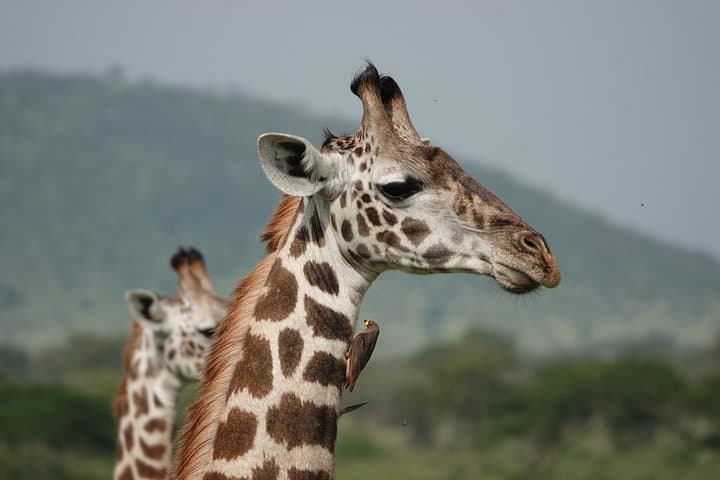
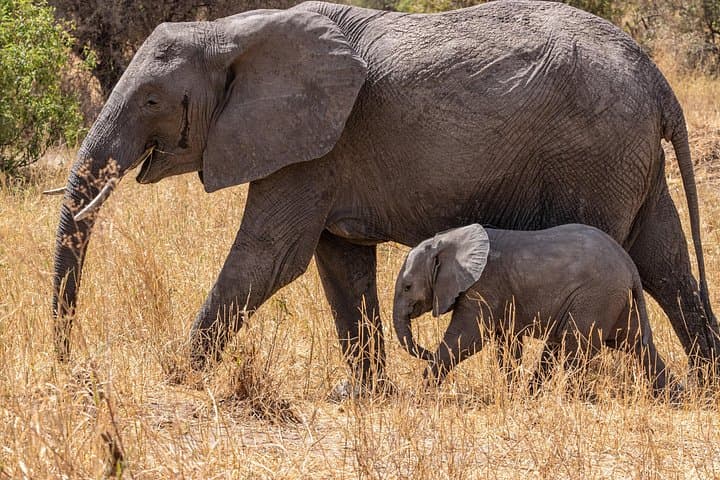
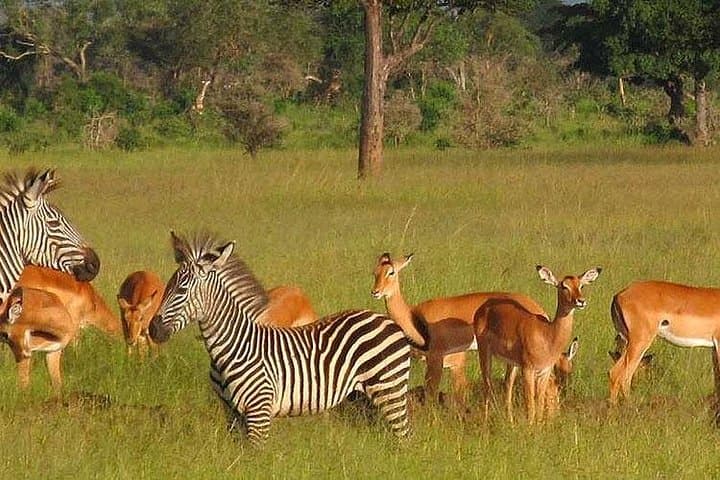
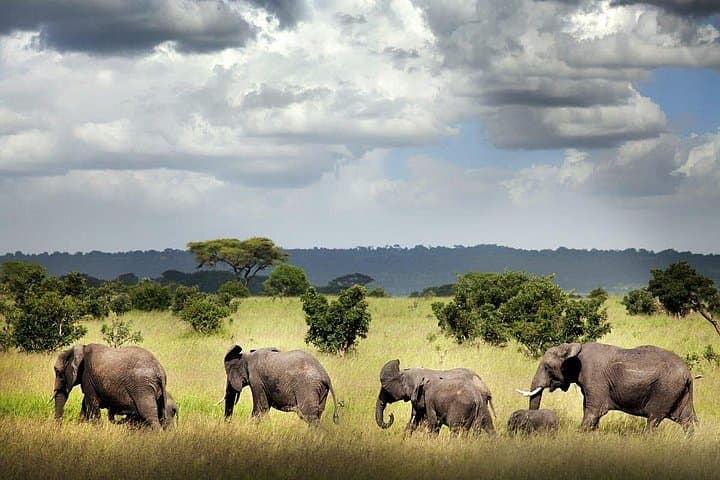
Dawn breaks over the acacia-studded plains and the Land Cruiser hums to life—dust lifting in long ribbons as the guide eases toward a herd of grazing wildebeest. On a six-day mid-range safari from Arusha, the landscape moves through distinct chapters: the baobab silhouettes of Tarangire, the forested rims of Lake Manyara, the endless grass seas of the Serengeti, and the bowl-like intensity of Ngorongoro Crater.
Dawn breaks over the acacia-studded plains and the Land Cruiser hums to life—dust lifting in long ribbons as the guide eases toward a herd of grazing wildebeest. On a six-day mid-range safari from Arusha, the landscape moves through distinct chapters: the baobab silhouettes of Tarangire, the forested rims of Lake Manyara, the endless grass seas of the Serengeti, and the bowl-like intensity of Ngorongoro Crater.
These places are geological and cultural layers. Tarangire sits on the Rift Valley’s western wall and covers roughly 2,850 km²; Serengeti spans some 14,763 km² where migration patterns have shaped predator-prey balance for millennia; Ngorongoro is the world’s largest unbroken caldera, a living amphitheater of wildlife and Maasai pastoral use. Guides bring that context forward—pointing out animal tracks, Olduvai geology, and Maasai grazing patterns—so a game drive is also a primer in East African ecology and human history.
Expect long game drives (half- to full-day), early starts to catch predators at first light, picnic lunches in the shade, and modest lodges or tented camps each night. Wildlife encounters are frequent but never guaranteed; seasonal shifts (calving, migration) redistribute sightings.
Practical tips: travel light but include layered clothing for cool mornings and hot afternoons, strong sun protection, and binoculars. Vehicles usually have charging ports and basic comforts, but cell service is patchy. Bring local currency for park fees, tips, and market purchases in Karatu or Mto wa Mbu. With basic preparation this itinerary delivers sustained, accessible wildlife viewing across some of Tanzania’s most celebrated ecosystems.