THE ADVENTURE COLLECTIVE® · Independent discovery and booking for outdoor travel

Spend six days following the Great Wildebeest Migration through Masai Mara’s wide-open plains, where river crossings, the Big Five and balloon dawns create unforgettable wildlife viewing. Practical logistics, peak timing and what to pack are covered in this concise guide.
Spend six days following the Great Wildebeest Migration through Masai Mara’s wide-open plains, where river crossings, the Big Five and balloon dawns create unforgettable wildlife viewing. Practical logistics, peak timing and what to pack are covered in this concise guide.
Dawn breaks over a rolling sea of golden grass and the Mara River cuts a silver line across the plains. Dust rises in long columns as zebra and wildebeest push toward water; a distant lion watches and a convoy of vultures waits for fortune. This is the Masai Mara in motion: raw, loud and precise.
Verified experiences and guided adventures in the surrounding area.
Operated by Africa Tours · Masai Mara, Narok County
Dawn breaks over a rolling sea of golden grass and the Mara River cuts a silver line across the plains. Dust rises in long columns as zebra and wildebeest push toward water; a distant lion watches and a convoy of vultures waits for fortune. This is the Masai Mara in motion: raw, loud and precise.
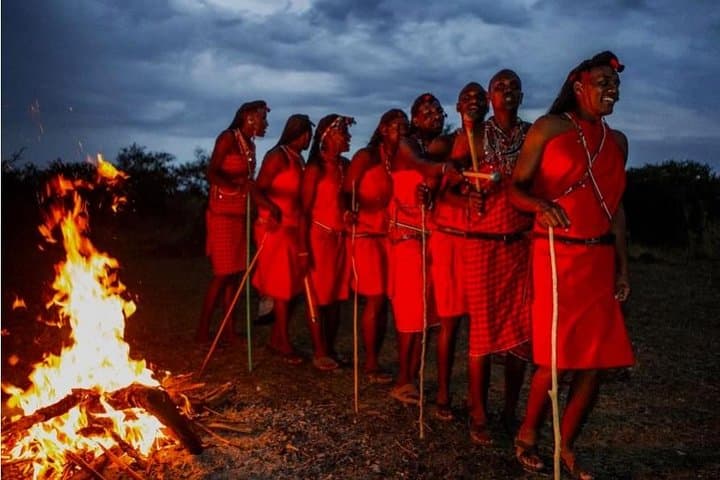
The Mara sits on the western edge of Kenya's rift valley, a savanna carved by seasonal rains and the Mara River that shapes the migration routes. Geologically simple but ecologically complex, the reserve supports classic savanna grasslands and pockets of riverine forest. The Maasai people have lived around these plains for generations—cattle, stories and beadwork remain part of daily life and local culture you’ll often glimpse at community visits.
On a six-day safari you’ll travel by 4x4 game drive, usually from Nairobi (or by short charter flight), spending mornings and late afternoons searching for the Big Five, cheetah on the run, and the migrating herds between July and October. Optional balloon flights give broad aerial perspective; boat rides at Lake Naivasha add a freshwater contrast with hippos and prolific birdlife.
Practical tip: game viewing is best at first light and late afternoon; pack layers for cool mornings and hot midday sun, a 300–400mm lens for photography, and a small daypack for water and sunscreen. Respect park rules—stay inside vehicles where required—and budget for park fees, tipping guides, and optional extras like balloon safaris. With basic travel vaccines current and a sense of patience, this itinerary offers world-class wildlife encounters with comfortable camp stays and reliable logistics.
easy.
6 days.
Minimal fitness required; most viewing is by vehicle but expect short walks and early starts. Good mobility helps for boarding vehicles and light hikes.
The prime window is mid-June through October when herds move into the Masai Mara from the Serengeti; river crossings peak around July–September depending on rains.
Options include a 5–7 hour overland drive or a 45–60 minute charter flight to airstrips near the reserve; drives offer landscape views while flights save time.
Options range from mobile tented camps to mid-range lodges; the itinerary lists camp stays like Mara Sidai Camp which provide comfortable tented accommodation and meals.
Consult a travel clinic; routine vaccines should be current and malaria prophylaxis is commonly recommended for the Masai Mara region.
The Maasai have grazed and negotiated access across these plains for centuries; the reserve system established in the 20th century formalized wildlife protection while tourism became a major livelihood.
Community-run conservancies help link Maasai land-use with conservation outcomes; responsible safari operators support anti-poaching and community projects to reduce tourism’s footprint.
Africa Tours operates guided outdoor trips and adventures with an emphasis on safety, stewardship, and memorable experiences.
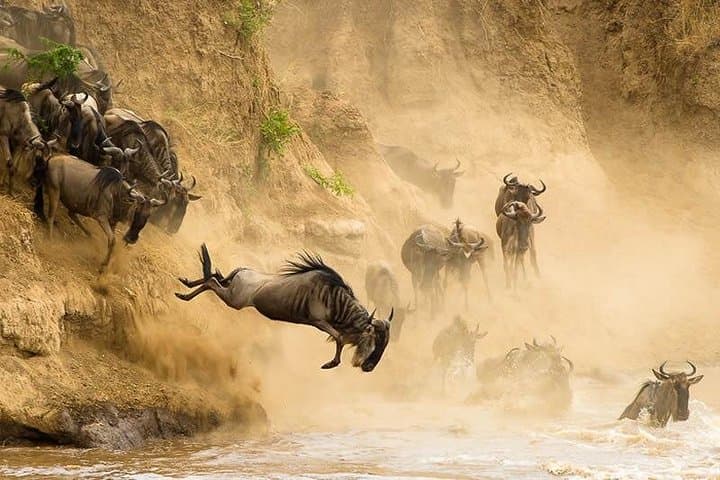
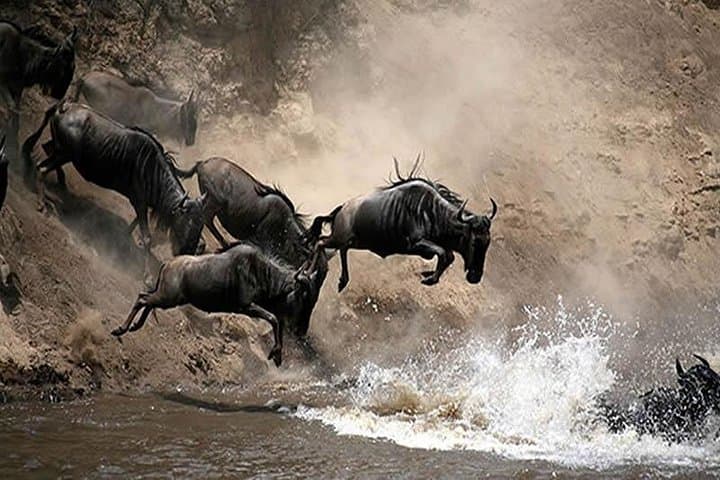
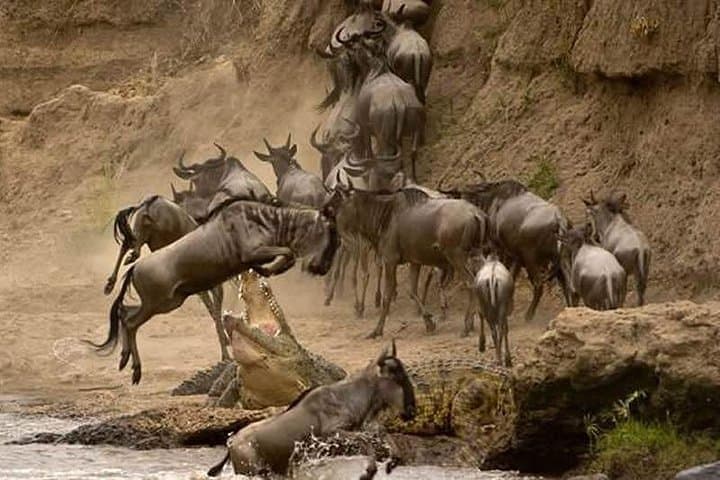
Dawn breaks over a rolling sea of golden grass and the Mara River cuts a silver line across the plains. Dust rises in long columns as zebra and wildebeest push toward water; a distant lion watches and a convoy of vultures waits for fortune. This is the Masai Mara in motion: raw, loud and precise.
Dawn breaks over a rolling sea of golden grass and the Mara River cuts a silver line across the plains. Dust rises in long columns as zebra and wildebeest push toward water; a distant lion watches and a convoy of vultures waits for fortune. This is the Masai Mara in motion: raw, loud and precise.
The Mara sits on the western edge of Kenya's rift valley, a savanna carved by seasonal rains and the Mara River that shapes the migration routes. Geologically simple but ecologically complex, the reserve supports classic savanna grasslands and pockets of riverine forest. The Maasai people have lived around these plains for generations—cattle, stories and beadwork remain part of daily life and local culture you’ll often glimpse at community visits.
On a six-day safari you’ll travel by 4x4 game drive, usually from Nairobi (or by short charter flight), spending mornings and late afternoons searching for the Big Five, cheetah on the run, and the migrating herds between July and October. Optional balloon flights give broad aerial perspective; boat rides at Lake Naivasha add a freshwater contrast with hippos and prolific birdlife.
Practical tip: game viewing is best at first light and late afternoon; pack layers for cool mornings and hot midday sun, a 300–400mm lens for photography, and a small daypack for water and sunscreen. Respect park rules—stay inside vehicles where required—and budget for park fees, tipping guides, and optional extras like balloon safaris. With basic travel vaccines current and a sense of patience, this itinerary offers world-class wildlife encounters with comfortable camp stays and reliable logistics.