THE ADVENTURE COLLECTIVE® · Independent discovery and booking for outdoor travel

Take the classic Marangu route to Uhuru Peak over six days: rainforest, moorland and alpine desert lead to a pre-dawn summit push. This guide covers what to expect on terrain, altitude, huts and practical preparation.
Take the classic Marangu route to Uhuru Peak over six days: rainforest, moorland and alpine desert lead to a pre-dawn summit push. This guide covers what to expect on terrain, altitude, huts and practical preparation.
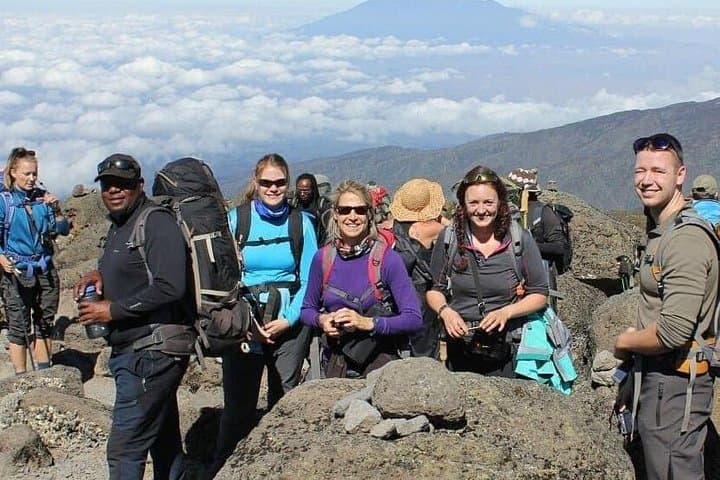
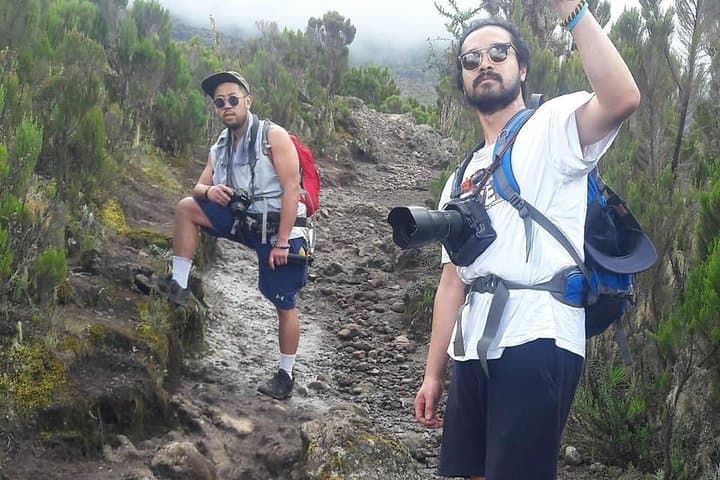
Early morning mist clings to eucalyptus as the trail leaves Moshi and climbs into the damp Kilimanjaro rainforest. You step past dripping ferns and watch the canopy give way to a wide, volcanic skyline where Mawenzi’s jagged teeth and Kibo’s rounded dome dominate the horizon.
Verified experiences and guided adventures in the surrounding area.
Operated by Enjoy Kili Limited · Moshi, Kilimanjaro Region
Early morning mist clings to eucalyptus as the trail leaves Moshi and climbs into the damp Kilimanjaro rainforest. You step past dripping ferns and watch the canopy give way to a wide, volcanic skyline where Mawenzi’s jagged teeth and Kibo’s rounded dome dominate the horizon.
The six-day Marangu route follows classic ecological bands: rainforest to moorland, heath, alpine desert and finally the glaciated summit zone. Historically Kilimanjaro is three volcanic cones (Kibo, Mawenzi and Shira); the summit—Uhuru Peak at 5,895 m—was first reached by European climbers in the late 19th century. The walk is a study in geology: hardened lava fields, scree slopes and basalt boulders tell of past eruptions while the remaining glaciers illustrate rapid climatic change.
Culturally, the climb passes Chagga farmland and village trails where porters and guides—integral to summit success—share local knowledge and mountain lore. Practical realities shape the itinerary: hut accommodation, daily hikes of roughly 5–7 hours, and a built-in acclimatization day at Horombo to reduce altitude risk.
Expect steep switchbacks, wet muddy sections at low elevation, windy, dry expanses higher up and possible snow on the summit ridge. Hydration, slow pacing, layered insulation and a solid sleeping bag are mission-critical. Communicate early with guides if you feel unwell; summit bids typically begin around midnight from Kibo Huts. The route rewards persistence: sunrise from Gilman’s Point and the Uhuru Peak sign are earned after 4,000+ meters of elevation gain and several days of steady effort.
difficult.
6 days.
Requires excellent cardiovascular fitness and multi-day trekking experience; experience at altitude is strongly recommended
Daily hiking is typically 5–7 hours on walking days, with a short acclimatization walk (1–2 hours) on the third day.
Hut accommodation is basic and communal with bunk-style sleeping and shared ablutions; bring a liner and expect limited privacy.
Altitude sickness is the main risk; the itinerary includes an acclimatization day and guides will monitor symptoms and set the pace.
No technical climbing gear is required for the Marangu route—mostly steep hiking—but crampons may be used if snow/ice is present near the summit.
Kilimanjaro is the eroded remains of three volcanic cones; the first recorded ascent of Kibo’s summit (Uhuru Peak) occurred in the late 19th century. The mountain has long been central to Chagga culture in the foothills.
Kilimanjaro National Park manages trekking routes and fees; shrinking glaciers and trail erosion are ongoing concerns—follow leave-no-trace rules and respect porter limits.
Enjoy Kili Limited operates guided outdoor trips and adventures with an emphasis on safety, stewardship, and memorable experiences.
Early morning mist clings to eucalyptus as the trail leaves Moshi and climbs into the damp Kilimanjaro rainforest. You step past dripping ferns and watch the canopy give way to a wide, volcanic skyline where Mawenzi’s jagged teeth and Kibo’s rounded dome dominate the horizon.
Early morning mist clings to eucalyptus as the trail leaves Moshi and climbs into the damp Kilimanjaro rainforest. You step past dripping ferns and watch the canopy give way to a wide, volcanic skyline where Mawenzi’s jagged teeth and Kibo’s rounded dome dominate the horizon.
The six-day Marangu route follows classic ecological bands: rainforest to moorland, heath, alpine desert and finally the glaciated summit zone. Historically Kilimanjaro is three volcanic cones (Kibo, Mawenzi and Shira); the summit—Uhuru Peak at 5,895 m—was first reached by European climbers in the late 19th century. The walk is a study in geology: hardened lava fields, scree slopes and basalt boulders tell of past eruptions while the remaining glaciers illustrate rapid climatic change.
Culturally, the climb passes Chagga farmland and village trails where porters and guides—integral to summit success—share local knowledge and mountain lore. Practical realities shape the itinerary: hut accommodation, daily hikes of roughly 5–7 hours, and a built-in acclimatization day at Horombo to reduce altitude risk.
Expect steep switchbacks, wet muddy sections at low elevation, windy, dry expanses higher up and possible snow on the summit ridge. Hydration, slow pacing, layered insulation and a solid sleeping bag are mission-critical. Communicate early with guides if you feel unwell; summit bids typically begin around midnight from Kibo Huts. The route rewards persistence: sunrise from Gilman’s Point and the Uhuru Peak sign are earned after 4,000+ meters of elevation gain and several days of steady effort.