THE ADVENTURE COLLECTIVE® · Independent discovery and booking for outdoor travel

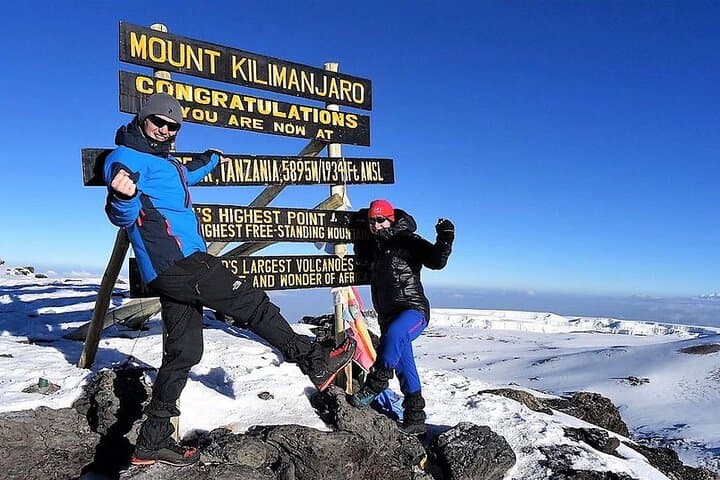
This six-day Marangu Route climb leads from rainforest to the icy crater rim of Mount Kilimanjaro, finishing at Uhuru Peak. Expect varied terrain, long days, and altitude-driven challenges; guides and porters handle camp logistics while you focus on pacing and acclimatization.
This six-day Marangu Route climb leads from rainforest to the icy crater rim of Mount Kilimanjaro, finishing at Uhuru Peak. Expect varied terrain, long days, and altitude-driven challenges; guides and porters handle camp logistics while you focus on pacing and acclimatization.
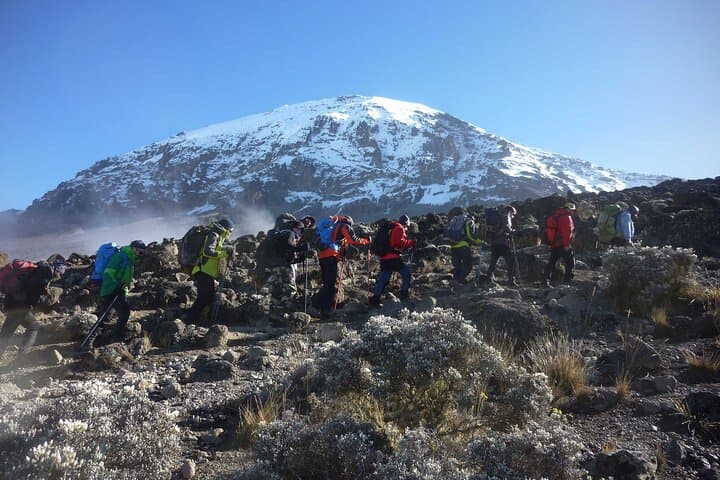
At first light the Marangu trail leaves Moshi’s cultivated foothills and slides into a dripping rainforest; damp ferns brush sleeves and guides’ headlamps cut through mist as porters move camp like a small, purposeful caravan. Over six days the route stages a raw landscape change—closed canopy gives way to heathland, then alpine desert, and finally the brittle ice and scree of Kibo’s crater rim where the air grows thin and deliberate.
Verified experiences and guided adventures in the surrounding area.
Operated by Spirit of Kilimanjaro · Moshi, Kilimanjaro Region
At first light the Marangu trail leaves Moshi’s cultivated foothills and slides into a dripping rainforest; damp ferns brush sleeves and guides’ headlamps cut through mist as porters move camp like a small, purposeful caravan. Over six days the route stages a raw landscape change—closed canopy gives way to heathland, then alpine desert, and finally the brittle ice and scree of Kibo’s crater rim where the air grows thin and deliberate.
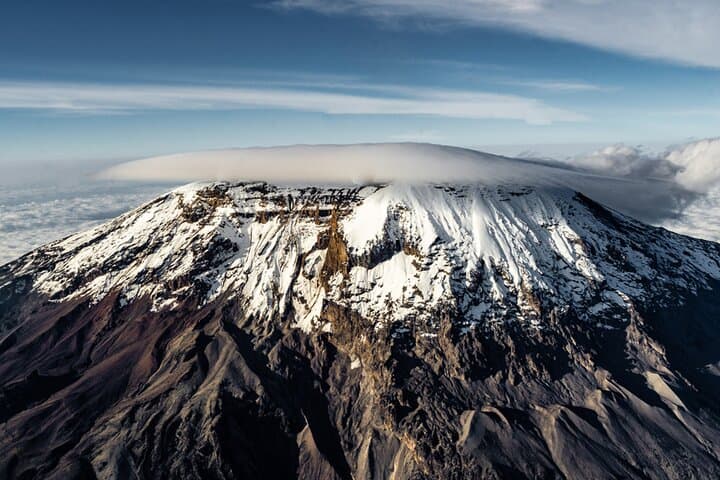
Kilimanjaro is a layered stratovolcano: Shira, Mawenzi and Kibo record long volcanic cycles and glacial retreat. The Marangu Route follows historic porter tracks used by colonial-era scientists and Chagga traders, and skirts villages where terraced farms and banana groves reflect centuries of highland agriculture. Cultural notes—respect for local guides, modest dress in villages, and small tipping traditions—are part of the climb’s rhythm.
Expect daily walks of roughly 8–12 km on varied terrain and a summit night that begins around midnight. Altitude, not technical climbing, is the main challenge: sleep, slow pacing and hydration reduce risk. Trails change rapidly—mud and roots in the rainforest, tussock and rock higher up—so sturdy boots and poles matter.
Practical guidance: layer for swift temperature swings, carry 2–3 liters of water plus purification, use trekking poles on scree, and honor your guides’ acclimatization plan. Camps provide meals and sleeping bags, but individual warm layers, a reliable headlamp and high-calorie snacks improve comfort. Weather can flip from sun to wind and snow within hours; respect park rules to protect fragile alpine vegetation and leave no trace.
challenging.
6 days.
Moderate to strong cardio endurance with experience in multi-day trekking; able to walk 8–12 km per day with a day of long summit push.
Typical inclusions are park fees, guiding staff, camping equipment, sleeping bag, meals while on the mountain, bottled water, and summit certificates.
Summit day is the most demanding: expect a pre-dawn start, 6–8 hours to the crater rim and several hours descending; altitude and sleep disruption increase difficulty.
No technical climbing skills are required, but prior multi-day trekking experience and good cardiovascular fitness are strongly recommended.
June–October offers the most stable weather and highest success rates; short rainy seasons (March–May, Nov–Dec) are feasible with experienced guides.
Local Chagga communities have farmed Kilimanjaro’s lower slopes for centuries; the mountain later drew 19th–20th century explorers and scientific expeditions that mapped its glaciers and cones.
Kilimanjaro National Park manages access to limit erosion and protect fragile alpine vegetation; stick to trails, pack out waste and respect camp rules to minimize impact.
Spirit of Kilimanjaro operates guided outdoor trips and adventures with an emphasis on safety, stewardship, and memorable experiences.
At first light the Marangu trail leaves Moshi’s cultivated foothills and slides into a dripping rainforest; damp ferns brush sleeves and guides’ headlamps cut through mist as porters move camp like a small, purposeful caravan. Over six days the route stages a raw landscape change—closed canopy gives way to heathland, then alpine desert, and finally the brittle ice and scree of Kibo’s crater rim where the air grows thin and deliberate.
At first light the Marangu trail leaves Moshi’s cultivated foothills and slides into a dripping rainforest; damp ferns brush sleeves and guides’ headlamps cut through mist as porters move camp like a small, purposeful caravan. Over six days the route stages a raw landscape change—closed canopy gives way to heathland, then alpine desert, and finally the brittle ice and scree of Kibo’s crater rim where the air grows thin and deliberate.
Kilimanjaro is a layered stratovolcano: Shira, Mawenzi and Kibo record long volcanic cycles and glacial retreat. The Marangu Route follows historic porter tracks used by colonial-era scientists and Chagga traders, and skirts villages where terraced farms and banana groves reflect centuries of highland agriculture. Cultural notes—respect for local guides, modest dress in villages, and small tipping traditions—are part of the climb’s rhythm.
Expect daily walks of roughly 8–12 km on varied terrain and a summit night that begins around midnight. Altitude, not technical climbing, is the main challenge: sleep, slow pacing and hydration reduce risk. Trails change rapidly—mud and roots in the rainforest, tussock and rock higher up—so sturdy boots and poles matter.
Practical guidance: layer for swift temperature swings, carry 2–3 liters of water plus purification, use trekking poles on scree, and honor your guides’ acclimatization plan. Camps provide meals and sleeping bags, but individual warm layers, a reliable headlamp and high-calorie snacks improve comfort. Weather can flip from sun to wind and snow within hours; respect park rules to protect fragile alpine vegetation and leave no trace.