THE ADVENTURE COLLECTIVE® · Independent discovery and booking for outdoor travel

A six-day private ascent of Kilimanjaro via the Marangu Route, featuring hut-to-hut nights, an acclimatization day, and a midnight summit push to Uhuru Peak. Practical, supported, and rooted in local guiding tradition.
A six-day private ascent of Kilimanjaro via the Marangu Route, featuring hut-to-hut nights, an acclimatization day, and a midnight summit push to Uhuru Peak. Practical, supported, and rooted in local guiding tradition.
Moonlight rigs the saddle as you begin, each step a soft scrape across volcanic scree. On the Marangu Route the mountain feels deliberate: rainforest exhales at lower elevations, moorland watches you pass, and the alpine desert challenges every breath. By summit morning the crater rim holds the sun like a promise.
Verified experiences and guided adventures in the surrounding area.
Operated by ZAFS Tours · Moshi, Kilimanjaro Region
Moonlight rigs the saddle as you begin, each step a soft scrape across volcanic scree. On the Marangu Route the mountain feels deliberate: rainforest exhales at lower elevations, moorland watches you pass, and the alpine desert challenges every breath. By summit morning the crater rim holds the sun like a promise.
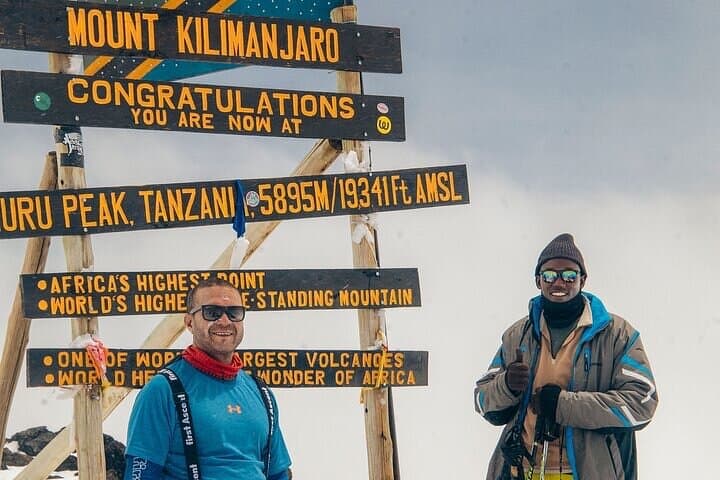
The Marangu Route is the oldest and most serviced path up Kilimanjaro, once used by early colonial porters and later formalized into hut-to-hut stages. Geologically Kibo—the central cone you climb—was formed by successive volcanic eruptions; its summit, Uhuru Peak (5,895 m), sits atop volcanic rock and pockets of permanent ice.
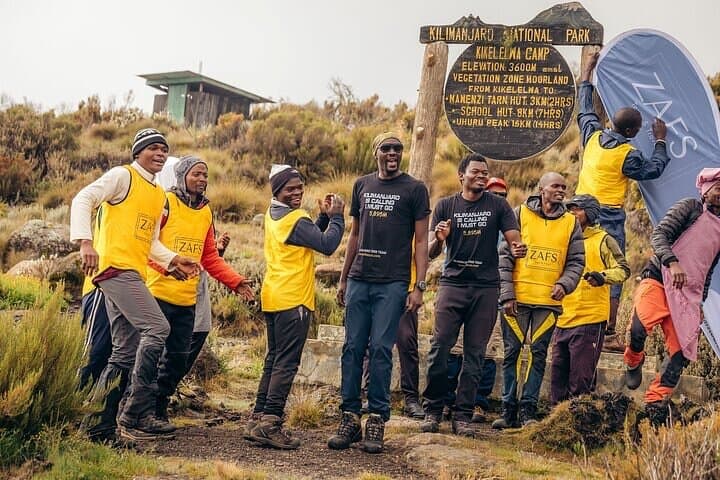
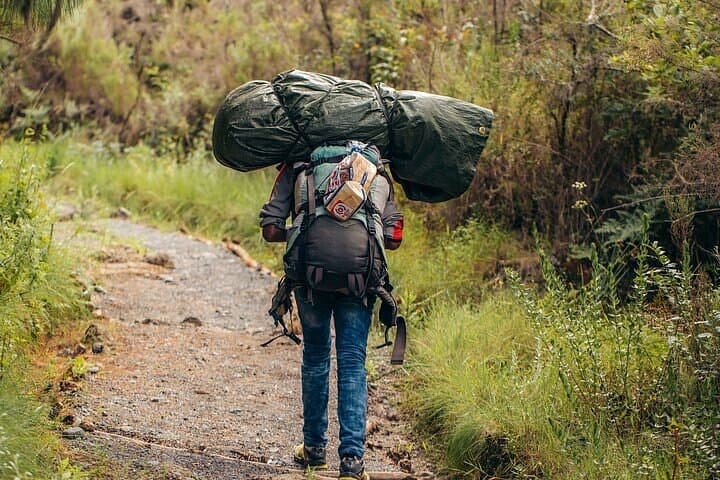
Local Chagga culture surrounds the trails—villages around Moshi have farmed the mountain's lower slopes for generations and porters and guides are often from those communities. The huts—A-frame wooden shelters—preserve a practical climbing tradition: rest, refuel, and move higher.
Practical guidance: expect roughly 60–65 km round-trip with ~4,035 m of elevation gain from Marangu Gate (~1,860 m) to Uhuru Peak. Terrain shifts from muddy rainforest and root-strewn trails to heather, then scree and possible snow near the rim. The itinerary includes an acclimatization day at Horombo Huts—take it seriously. Hydrate, use trekking poles and gaiters, layer for rapid temperature swings, and follow guides’ pacing to reduce altitude risk. Emergency oxygen and a high staff-to-client ratio are standard on this private program, but summit success depends on fitness, pacing, and acclimatization. Plan for early summit starts (midnight–2 a.m.), cold nights, and celebratory descent back to Moshi.
challenging.
6 days.
Good aerobic fitness with experience on multi-day hikes; ability to handle sustained uphill hiking and cold nights.
The route is non-technical but physically demanding due to altitude and long hours; the six-day itinerary includes an acclimatization day which improves summit odds but fitness and pacing remain critical.
Typical inclusions are park fees, hut accommodation, all meals and drinking water on the mountain, transfers to/from Moshi, support staff and rescue fees, and a summit certificate.
No technical climbing gear is required for Marangu, but mountaineering boots, warm layers, waterproofs, poles, and a headlamp are essential; guides provide emergency oxygen and first-aid support.
Mild altitude symptoms are common; guides monitor climbers daily, enforce pacing, and may use descent or oxygen if symptoms worsen—consult a physician about acetazolamide before travel.
Marangu was the first formal route pioneered by local guides and early colonial expeditions; its hut system reflects decades of organized treks.
Kilimanjaro National Park enforces strict waste and permit systems; stick to trails, pack out non-biodegradable waste, and support local guide and porter welfare.
ZAFS Tours operates guided outdoor trips and adventures with an emphasis on safety, stewardship, and memorable experiences.
Moonlight rigs the saddle as you begin, each step a soft scrape across volcanic scree. On the Marangu Route the mountain feels deliberate: rainforest exhales at lower elevations, moorland watches you pass, and the alpine desert challenges every breath. By summit morning the crater rim holds the sun like a promise.
Moonlight rigs the saddle as you begin, each step a soft scrape across volcanic scree. On the Marangu Route the mountain feels deliberate: rainforest exhales at lower elevations, moorland watches you pass, and the alpine desert challenges every breath. By summit morning the crater rim holds the sun like a promise.
The Marangu Route is the oldest and most serviced path up Kilimanjaro, once used by early colonial porters and later formalized into hut-to-hut stages. Geologically Kibo—the central cone you climb—was formed by successive volcanic eruptions; its summit, Uhuru Peak (5,895 m), sits atop volcanic rock and pockets of permanent ice.
Local Chagga culture surrounds the trails—villages around Moshi have farmed the mountain's lower slopes for generations and porters and guides are often from those communities. The huts—A-frame wooden shelters—preserve a practical climbing tradition: rest, refuel, and move higher.
Practical guidance: expect roughly 60–65 km round-trip with ~4,035 m of elevation gain from Marangu Gate (~1,860 m) to Uhuru Peak. Terrain shifts from muddy rainforest and root-strewn trails to heather, then scree and possible snow near the rim. The itinerary includes an acclimatization day at Horombo Huts—take it seriously. Hydrate, use trekking poles and gaiters, layer for rapid temperature swings, and follow guides’ pacing to reduce altitude risk. Emergency oxygen and a high staff-to-client ratio are standard on this private program, but summit success depends on fitness, pacing, and acclimatization. Plan for early summit starts (midnight–2 a.m.), cold nights, and celebratory descent back to Moshi.