THE ADVENTURE COLLECTIVE® · Independent discovery and booking for outdoor travel

An intense six-day loop through Cusco’s highlands: explore the Sacred Valley’s Inca engineering, stand above Machu Picchu’s citadel, trek to Humantay Lagoon and witness the mineral bands of Rainbow Mountain. Practical advice for acclimatizing and packing included.
An intense six-day loop through Cusco’s highlands: explore the Sacred Valley’s Inca engineering, stand above Machu Picchu’s citadel, trek to Humantay Lagoon and witness the mineral bands of Rainbow Mountain. Practical advice for acclimatizing and packing included.
You step out into Cusco’s high plaza with thin air and a horizon of serrated peaks; the city hums with vendors, church bells and the distant clatter of trains heading toward the jungle. Over six days this itinerary moves from colonial streets to Inca terraces, glacial lakes and the striped geology of Vinicunca, laying out a compact primer on southern Peru’s most photographed landscapes.
Verified experiences and guided adventures in the surrounding area.
Operated by Qorysun Travel · Cusco, Cusco Region
You step out into Cusco’s high plaza with thin air and a horizon of serrated peaks; the city hums with vendors, church bells and the distant clatter of trains heading toward the jungle. Over six days this itinerary moves from colonial streets to Inca terraces, glacial lakes and the striped geology of Vinicunca, laying out a compact primer on southern Peru’s most photographed landscapes.
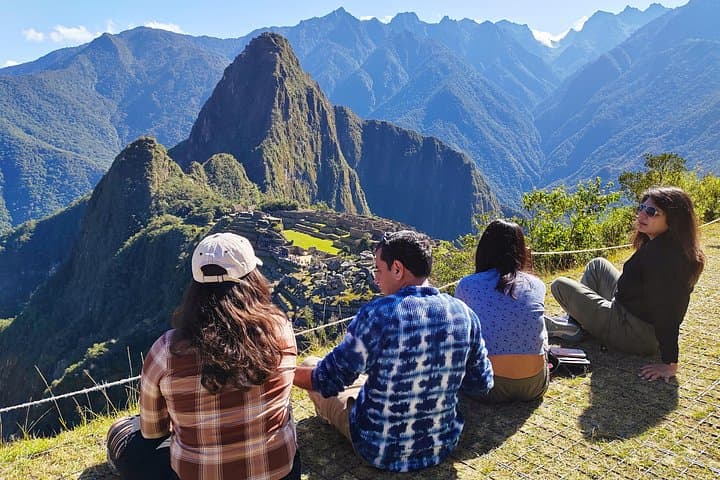
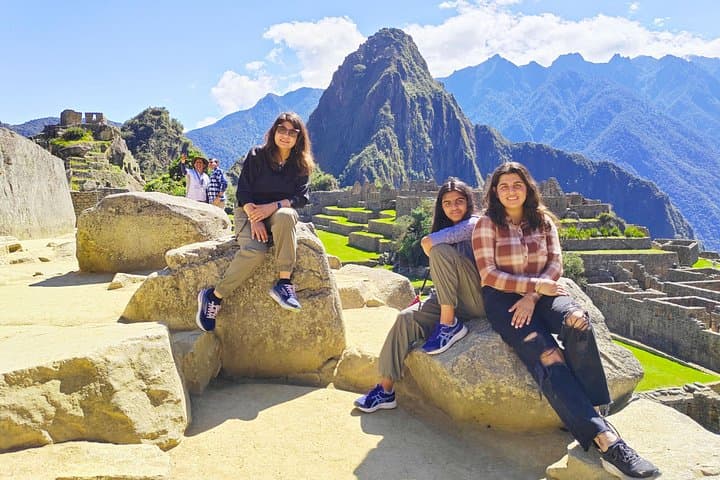
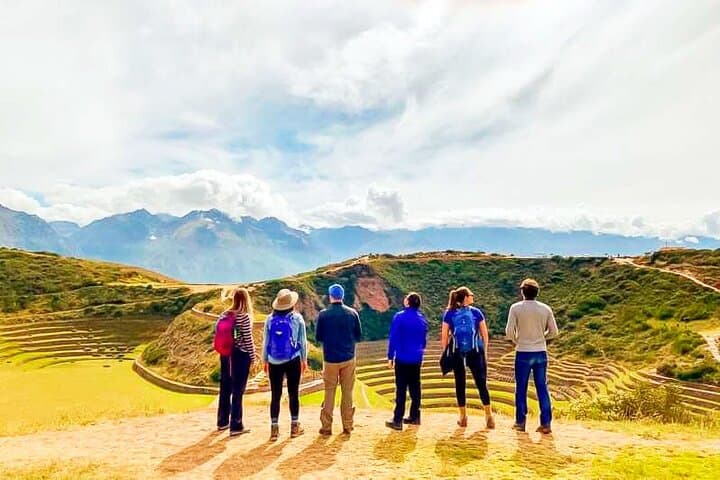
Historically the Sacred Valley anchored Inca agriculture and ritual life—sites like Moray reveal terraced microclimates used for experimentation, and the salt pans of Maras trace pre-Inca engineering. Machu Picchu perches on a granite ridge carved by past rivers and glacial action; visiting its plazas and agricultural sectors leaves little doubt why the Incas chose this defensible, sacred place.
Geology shows up as color: iron, copper and other minerals oxidize on high slopes to create the bands of Rainbow Mountain; Humantay’s turquoise lagoon is fed by glacier melt and sits above 4,200 m, a testament to the region’s glacial sculpting.
Practical guidance: plan two days in Cusco to acclimatize, carry layered clothing for rapid temperature swings, and budget time for train and bus transfers to Machu Picchu. Hikes are steep and often on loose scree—sturdy boots, trekking poles, sun protection and hydration are essential. Expect early starts for Rainbow Mountain and Humantay, and flexible weather that can change from sun to sleet within an hour. If you respect altitude, pack patience: the landscapes reward steady pacing with expansive views and cultural encounters that connect you to Andean life.
challenging.
6 days.
Good aerobic fitness recommended; hikers should be comfortable with steep ascents at high altitude and multi-hour days.
Yes—this tour includes entrance fees and round-trip train tickets to Aguas Calientes, with bus transfers up to the citadel on the scheduled day.
Ascend slowly, hydrate, avoid alcohol, consider acetazolamide if prescribed by a doctor, and monitor symptoms—your guide can adjust plans if needed.
Both are steep with high elevations; Rainbow Mountain reaches ~5,000 m and Humantay is ~4,200 m, so pace yourself and use trekking poles if helpful.
Trains have limited luggage space and size/weight restrictions—pack an overnight/daily bag for the Machu Picchu portion and leave larger suitcases at your hotel.
The Sacred Valley was the Inca Empire’s agricultural heart; Moray’s concentric terraces are believed to be an agricultural laboratory for different microclimates.
High-traffic sites are protected by controlled visitor numbers and trail maintenance—stick to paths, avoid single-use plastics, and support local community enterprises.
Qorysun Travel operates guided outdoor trips and adventures with an emphasis on safety, stewardship, and memorable experiences.
You step out into Cusco’s high plaza with thin air and a horizon of serrated peaks; the city hums with vendors, church bells and the distant clatter of trains heading toward the jungle. Over six days this itinerary moves from colonial streets to Inca terraces, glacial lakes and the striped geology of Vinicunca, laying out a compact primer on southern Peru’s most photographed landscapes.
You step out into Cusco’s high plaza with thin air and a horizon of serrated peaks; the city hums with vendors, church bells and the distant clatter of trains heading toward the jungle. Over six days this itinerary moves from colonial streets to Inca terraces, glacial lakes and the striped geology of Vinicunca, laying out a compact primer on southern Peru’s most photographed landscapes.
Historically the Sacred Valley anchored Inca agriculture and ritual life—sites like Moray reveal terraced microclimates used for experimentation, and the salt pans of Maras trace pre-Inca engineering. Machu Picchu perches on a granite ridge carved by past rivers and glacial action; visiting its plazas and agricultural sectors leaves little doubt why the Incas chose this defensible, sacred place.
Geology shows up as color: iron, copper and other minerals oxidize on high slopes to create the bands of Rainbow Mountain; Humantay’s turquoise lagoon is fed by glacier melt and sits above 4,200 m, a testament to the region’s glacial sculpting.
Practical guidance: plan two days in Cusco to acclimatize, carry layered clothing for rapid temperature swings, and budget time for train and bus transfers to Machu Picchu. Hikes are steep and often on loose scree—sturdy boots, trekking poles, sun protection and hydration are essential. Expect early starts for Rainbow Mountain and Humantay, and flexible weather that can change from sun to sleet within an hour. If you respect altitude, pack patience: the landscapes reward steady pacing with expansive views and cultural encounters that connect you to Andean life.