THE ADVENTURE COLLECTIVE® · Independent discovery and booking for outdoor travel

A six-day circuit through Cusco's top archaeological and natural highlights: city ruins, the Sacred Valley, Machu Picchu, the high-altitude spectacle of Rainbow Mountain, and the ancient Q'eswachaka rope bridge. Expect high-altitude hiking, cultural encounters, and a mix of trains, buses and guided walks.
A six-day circuit through Cusco's top archaeological and natural highlights: city ruins, the Sacred Valley, Machu Picchu, the high-altitude spectacle of Rainbow Mountain, and the ancient Q'eswachaka rope bridge. Expect high-altitude hiking, cultural encounters, and a mix of trains, buses and guided walks.
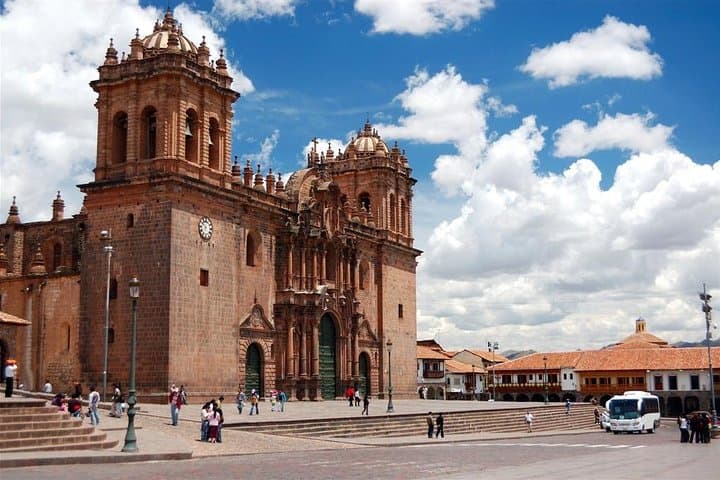
The morning air in Cusco is thin and bright; Andes peaks cut a hard horizon and the train whistle to Aguas Calientes carries like a promise. Over six days this itinerary moves from Inca stonework and colonial streets to the high puna where Rainbow Mountain paints the ridgeline, and finally to the living rope bridge of Q'eswachaka spanning the Apurímac.
Verified experiences and guided adventures in the surrounding area.
Operated by Chullos Travel Peru · Cusco, Cusco
The morning air in Cusco is thin and bright; Andes peaks cut a hard horizon and the train whistle to Aguas Calientes carries like a promise. Over six days this itinerary moves from Inca stonework and colonial streets to the high puna where Rainbow Mountain paints the ridgeline, and finally to the living rope bridge of Q'eswachaka spanning the Apurímac.
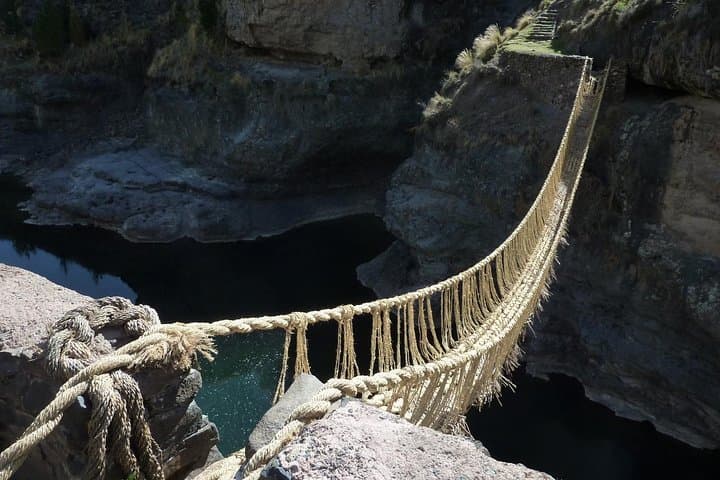
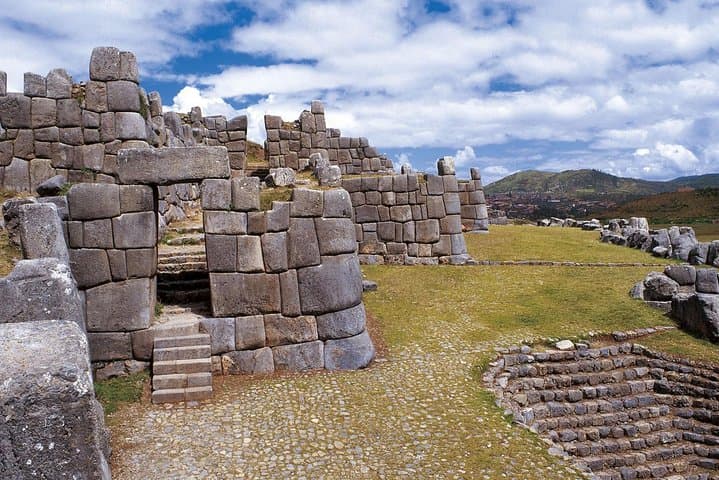
Start in the city of Cusco — once the administrative heart of Tawantinsuyu — where Koricancha and Sacsayhuamán show precise ashlar masonry and ritual landscapes carved into volcanic bedrock. The Sacred Valley follows the Willkamayu (sacred river), whose terraces at Pisac and Ollantaytambo reveal centuries of agrarian engineering. Machu Picchu sits on a limestone spur above the Urubamba gorge, its urban plan and agricultural terraces reflecting Inca cosmology. Higher still, Vinicunca (Rainbow Mountain) owes its stripes to mineral-laden strata—iron, copper and sulfur oxidized under millennia of uplift—and a short, steep trek to 5,000+ m that tests acclimatized lungs. Q'eswachaka remains a community-built living bridge, renewed annually using ichu grass in a ritual that links present-day Quechua practice to Inca-era communication networks.
Practical edge: expect significant altitude gain and frequent weather swings—sun, wind and sudden showers. Pace your days to acclimatize in Cusco, carry layers, and keep hydration and electrolytes handy. Train and bus schedules to Machu Picchu are fixed; book early for preferred circuits. The trip mixes guided walks (moderate to steep grades) with vehicle transfers—good footwear, a rain shell and sun protection will make these six days safe and memorable.
challenging.
6 days.
Participants should have moderate to strong cardiovascular fitness and be comfortable with sustained walking at altitude.
Yes—the Ministry of Culture controls entry and tickets sell out seasonally; guides or operators usually secure Circuit 1 or 2 tickets when available.
Altitude effects are common; symptoms range from mild headache to nausea. Acclimatize in Cusco, stay hydrated, avoid heavy exertion the first day, and consider medication after consulting a doctor.
No technical climbing is required, but the trail is steep, uneven and reaches over 5,000 m—shortness of breath and fatigue are expected if not acclimatized.
This excursion lists breakfasts and several lunches, and includes 3-star hotels in Cusco and Aguas Calientes; check the itinerary for exact meal counts and restaurant arrangements.
Cusco was the Inca capital; sites in the Sacred Valley were agricultural and spiritual centers integral to imperial logistics and ritual life.
Machu Picchu and surrounding sites limit daily visitors and enforce trail circuits; support local guides and avoid single-use plastics to reduce impact.
Chullos Travel Peru operates guided outdoor trips and adventures with an emphasis on safety, stewardship, and memorable experiences.
The morning air in Cusco is thin and bright; Andes peaks cut a hard horizon and the train whistle to Aguas Calientes carries like a promise. Over six days this itinerary moves from Inca stonework and colonial streets to the high puna where Rainbow Mountain paints the ridgeline, and finally to the living rope bridge of Q'eswachaka spanning the Apurímac.
The morning air in Cusco is thin and bright; Andes peaks cut a hard horizon and the train whistle to Aguas Calientes carries like a promise. Over six days this itinerary moves from Inca stonework and colonial streets to the high puna where Rainbow Mountain paints the ridgeline, and finally to the living rope bridge of Q'eswachaka spanning the Apurímac.
Start in the city of Cusco — once the administrative heart of Tawantinsuyu — where Koricancha and Sacsayhuamán show precise ashlar masonry and ritual landscapes carved into volcanic bedrock. The Sacred Valley follows the Willkamayu (sacred river), whose terraces at Pisac and Ollantaytambo reveal centuries of agrarian engineering. Machu Picchu sits on a limestone spur above the Urubamba gorge, its urban plan and agricultural terraces reflecting Inca cosmology. Higher still, Vinicunca (Rainbow Mountain) owes its stripes to mineral-laden strata—iron, copper and sulfur oxidized under millennia of uplift—and a short, steep trek to 5,000+ m that tests acclimatized lungs. Q'eswachaka remains a community-built living bridge, renewed annually using ichu grass in a ritual that links present-day Quechua practice to Inca-era communication networks.
Practical edge: expect significant altitude gain and frequent weather swings—sun, wind and sudden showers. Pace your days to acclimatize in Cusco, carry layers, and keep hydration and electrolytes handy. Train and bus schedules to Machu Picchu are fixed; book early for preferred circuits. The trip mixes guided walks (moderate to steep grades) with vehicle transfers—good footwear, a rain shell and sun protection will make these six days safe and memorable.