THE ADVENTURE COLLECTIVE® · Independent discovery and booking for outdoor travel

A six-day, high-altitude circuit from Cusco covering Machu Picchu with Wayna Picchu, Rainbow Mountain at 5,200 m, and the glacial Humantay Lagoon. Expect early starts, train journeys along the Vilcanota River, and steep, exposed hikes with big views.
A six-day, high-altitude circuit from Cusco covering Machu Picchu with Wayna Picchu, Rainbow Mountain at 5,200 m, and the glacial Humantay Lagoon. Expect early starts, train journeys along the Vilcanota River, and steep, exposed hikes with big views.
Morning in Cusco is thin and bright; the city exhales cool air that pushes uphill toward the Andes and the tour group gathers around a guide who checks tickets and taps a map. Over six days the itinerary stitches together steep Inca terraces, a train ride along the Vilcanota River, a sunrise at Machu Picchu with the option to summit Wayna Picchu, the strata of Rainbow Mountain at 5,200 m, and the turquoise bowl of Humantay Lagoon.
Verified experiences and guided adventures in the surrounding area.
Operated by Machupicchu Latin America · Cusco, Cusco Region
Morning in Cusco is thin and bright; the city exhales cool air that pushes uphill toward the Andes and the tour group gathers around a guide who checks tickets and taps a map. Over six days the itinerary stitches together steep Inca terraces, a train ride along the Vilcanota River, a sunrise at Machu Picchu with the option to summit Wayna Picchu, the strata of Rainbow Mountain at 5,200 m, and the turquoise bowl of Humantay Lagoon.
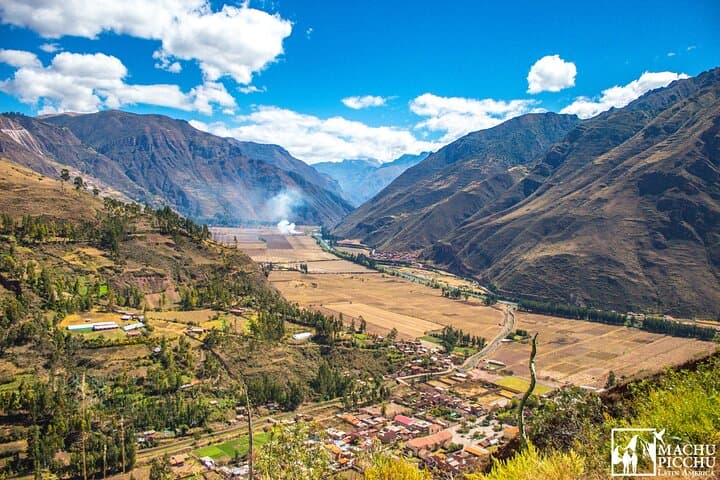
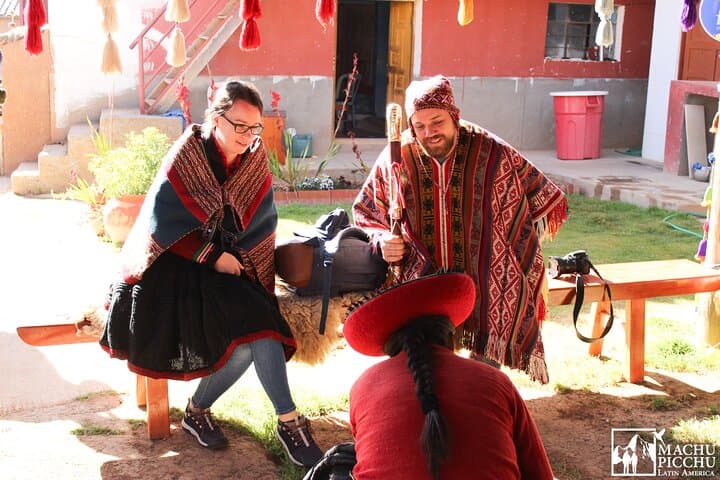
This route threads Inca and colonial history—Pisac and Ollantaytambo showcase stonework and agricultural engineering—and runs across geology shaped by glaciation and uplift: jagged granite ridges, glacial cirques, and high puna grasslands. Local culture is visible in markets, textile cooperatives, and the continued herding of alpaca and llama; guides will explain sacred landscape practices rooted in Andean cosmology.
Expect daily early starts, bus and train transfers, and several hikes at high altitude; Rainbow Mountain and Humantay are short but steep, Machu Picchu’s Wayna Picchu is exposed and laddered. Hydration, deliberate pacing, and a slow first day in Cusco to acclimatize improve comfort. Footwear with good traction and windproof layers help through sudden weather shifts—the mountains change expression within an hour, sun turning to sleet as if testing you.
Practical notes: bring original passport for site entry, small cash for market purchases, and pack light for train luggage limits. Guides handle permits and transport; travelers should maintain respect for fragile archaeological zones and follow park rules to reduce environmental impact.
challenging.
6 days.
Moderate to strong cardio fitness recommended with prior exposure to high altitude; ability to walk 2–4 hours on steep terrain.
Yes—original passport is required for Machu Picchu entry and to board trains in Peru; keep a photocopy at your hotel.
Both are short but steep; Rainbow Mountain reaches ~5,200 m and can be strenuous due to altitude, while Humantay is a 1.5–2 hour ascent from Soraypampa.
This tour includes Machu Picchu admission and round-trip train tickets on the listed class (He Voyager) as stated in the inclusions.
Guide teams are trained to assess symptoms; rest, hydration, and descending are primary measures—bring acetazolamide only if prescribed by your physician in advance.
The itinerary links Inca agricultural sites and citadels—Ollantaytambo and Pisac reveal terrace farming and stonework central to imperial administration.
Machu Picchu and surrounding trails limit visitor numbers; travelers should stay on marked paths, avoid single-use plastics, and respect local community guidelines to reduce impact.
Machupicchu Latin America operates guided outdoor trips and adventures with an emphasis on safety, stewardship, and memorable experiences.
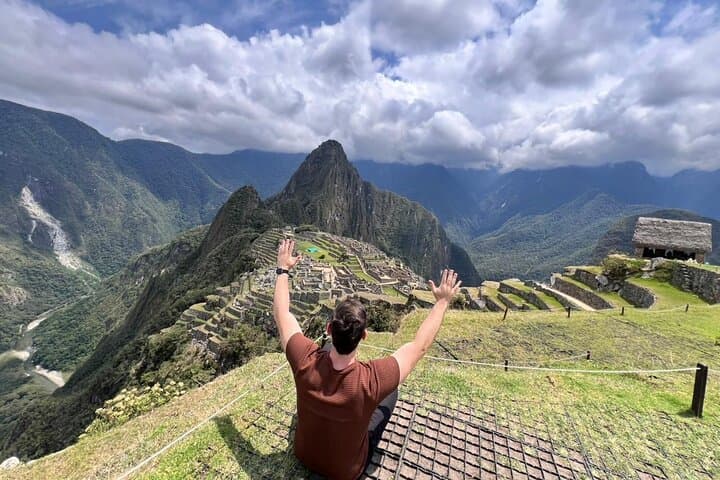
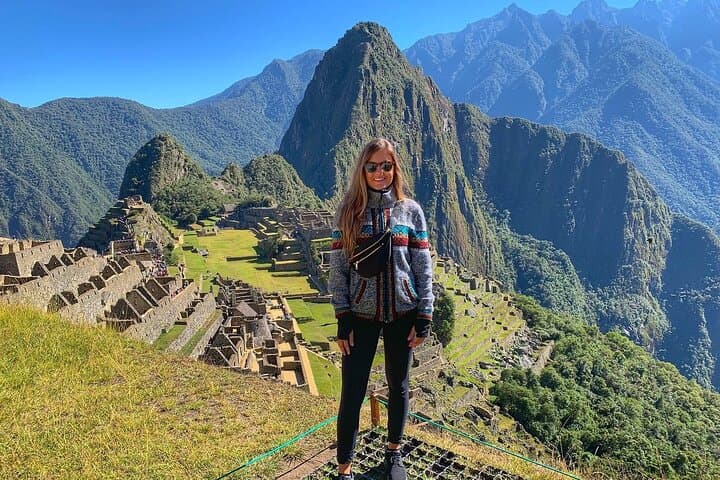
Morning in Cusco is thin and bright; the city exhales cool air that pushes uphill toward the Andes and the tour group gathers around a guide who checks tickets and taps a map. Over six days the itinerary stitches together steep Inca terraces, a train ride along the Vilcanota River, a sunrise at Machu Picchu with the option to summit Wayna Picchu, the strata of Rainbow Mountain at 5,200 m, and the turquoise bowl of Humantay Lagoon.
Morning in Cusco is thin and bright; the city exhales cool air that pushes uphill toward the Andes and the tour group gathers around a guide who checks tickets and taps a map. Over six days the itinerary stitches together steep Inca terraces, a train ride along the Vilcanota River, a sunrise at Machu Picchu with the option to summit Wayna Picchu, the strata of Rainbow Mountain at 5,200 m, and the turquoise bowl of Humantay Lagoon.
This route threads Inca and colonial history—Pisac and Ollantaytambo showcase stonework and agricultural engineering—and runs across geology shaped by glaciation and uplift: jagged granite ridges, glacial cirques, and high puna grasslands. Local culture is visible in markets, textile cooperatives, and the continued herding of alpaca and llama; guides will explain sacred landscape practices rooted in Andean cosmology.
Expect daily early starts, bus and train transfers, and several hikes at high altitude; Rainbow Mountain and Humantay are short but steep, Machu Picchu’s Wayna Picchu is exposed and laddered. Hydration, deliberate pacing, and a slow first day in Cusco to acclimatize improve comfort. Footwear with good traction and windproof layers help through sudden weather shifts—the mountains change expression within an hour, sun turning to sleet as if testing you.
Practical notes: bring original passport for site entry, small cash for market purchases, and pack light for train luggage limits. Guides handle permits and transport; travelers should maintain respect for fragile archaeological zones and follow park rules to reduce environmental impact.