THE ADVENTURE COLLECTIVE® · Independent discovery and booking for outdoor travel

A focused six‑day loop from Cusco to Machu Picchu and Lake Titicaca that combines Inca archaeology, high‑altitude landscapes and cultural encounters with Uros and Taquile. Expect train rides, mountain passes and easy to moderate walking at elevation.
A focused six‑day loop from Cusco to Machu Picchu and Lake Titicaca that combines Inca archaeology, high‑altitude landscapes and cultural encounters with Uros and Taquile. Expect train rides, mountain passes and easy to moderate walking at elevation.
You step off the van in Cusco and the highland air bites your cheeks — thin, cool, already demanding respect. Over six days the Andes will reintroduce themselves: terraces clinging like teeth to steep slopes, rivers daring you with their rush, and plateaus that open into vast sky.
Verified experiences and guided adventures in the surrounding area.
Operated by Tangol · Cusco, Cusco Region
You step off the van in Cusco and the highland air bites your cheeks — thin, cool, already demanding respect. Over six days the Andes will reintroduce themselves: terraces clinging like teeth to steep slopes, rivers daring you with their rush, and plateaus that open into vast sky.
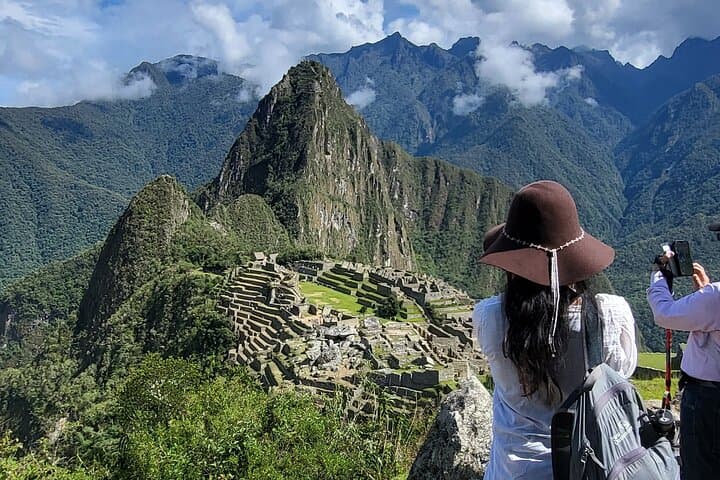
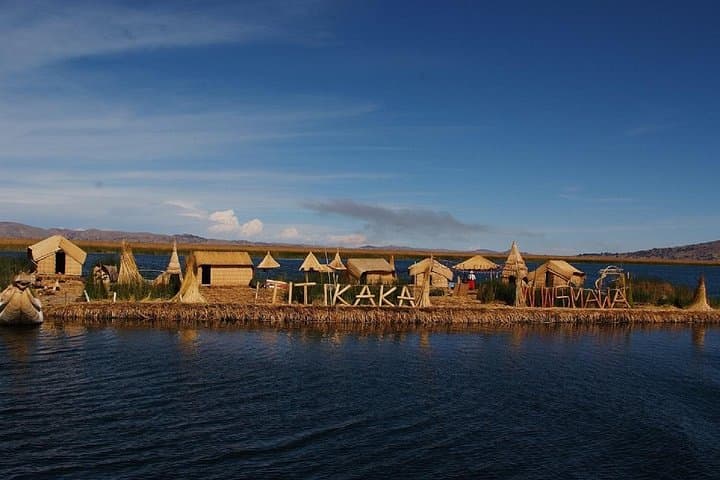
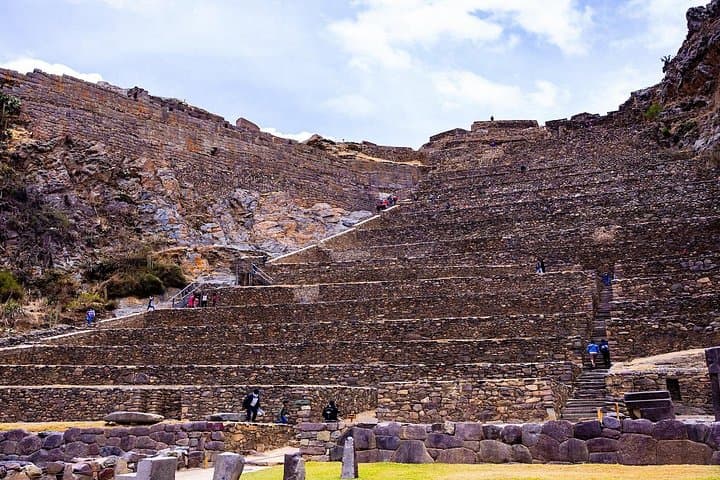
The route threads through Inca heartland and Altiplano culture. In the Sacred Valley you’ll walk stone streets in Pisac and climb the stepped agricultural terraces of Ollantaytambo. The train to Aguas Calientes follows the Urubamba’s canyon for 90 minutes before a short bus climbs to Machu Picchu (2,430 m), where terraces, shrines and urban grids recall 15th‑century engineering. Then the itinerary turns southeast: high passes (La Raya ~4,335 m), colonial churches in Andahuaylillas, and finally Lake Titicaca’s floating Uros islands and Taquile, sitting at about 3,812 m.
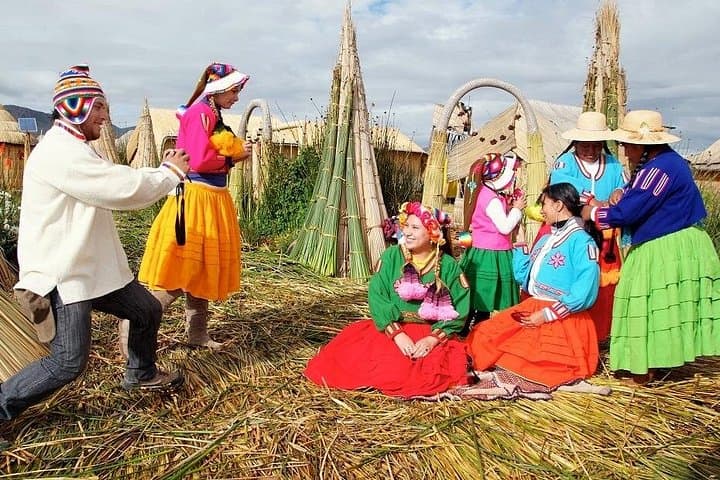
Geology here tells a story of uplift and erosion — volcanic and tectonic forces raised granite and limestone into sharp ridgelines, while glacial sculpting carved the valleys you traverse. Culturally, Aymara and Quechua communities keep textile and farming traditions alive; Taquile’s weaving remains UNESCO‑recognized.
Practical guidance: plan a slow arrival day in Cusco to acclimatize, carry layered clothing for temperature swings between 2,400–4,300 m, and book train and Machu Picchu permits in advance. Expect moderate walking on uneven stone paths, basic midrange hotels, included breakfasts and several group transfers. Hydrate, use sun protection, and budget time for short stops that reveal the Andes’ quieter corners.
moderate.
6 days.
Reasonable fitness for walking on uneven stone streets, short hikes and stairs; altitude tolerance is important—cardio base helps.
Yes — Machu Picchu entrance tickets must be purchased in advance; Huayna Picchu and Machu Picchu Mountain require separate, limited permits which often sell out.
Cusco is ~3,400 m and Lake Titicaca ~3,800 m; take 24–48 hours to acclimatize, stay hydrated, avoid heavy exertion initially, and consult a doctor about altitude medication if concerned.
The package includes round‑trip private transfers and the train from Ollantaytambo to Aguas Calientes; you’ll get local meeting details and schedules from the operator ahead of travel.
Yes — standard passenger boats are stable with lifejackets; dress warmly for winds and keep a dry bag for electronics.
This route traces Inca administrative and sacred sites—Machu Picchu (15th century) and Andean settlements—while later Spanish colonial influence shows in Cusco’s churches.
Machu Picchu and Lake Titicaca face visitor‑pressure and ecological strain; follow park rules, avoid single‑use plastics, and support local communities to minimize impact.
Tangol operates guided outdoor trips and adventures with an emphasis on safety, stewardship, and memorable experiences.
You step off the van in Cusco and the highland air bites your cheeks — thin, cool, already demanding respect. Over six days the Andes will reintroduce themselves: terraces clinging like teeth to steep slopes, rivers daring you with their rush, and plateaus that open into vast sky.
You step off the van in Cusco and the highland air bites your cheeks — thin, cool, already demanding respect. Over six days the Andes will reintroduce themselves: terraces clinging like teeth to steep slopes, rivers daring you with their rush, and plateaus that open into vast sky.
The route threads through Inca heartland and Altiplano culture. In the Sacred Valley you’ll walk stone streets in Pisac and climb the stepped agricultural terraces of Ollantaytambo. The train to Aguas Calientes follows the Urubamba’s canyon for 90 minutes before a short bus climbs to Machu Picchu (2,430 m), where terraces, shrines and urban grids recall 15th‑century engineering. Then the itinerary turns southeast: high passes (La Raya ~4,335 m), colonial churches in Andahuaylillas, and finally Lake Titicaca’s floating Uros islands and Taquile, sitting at about 3,812 m.
Geology here tells a story of uplift and erosion — volcanic and tectonic forces raised granite and limestone into sharp ridgelines, while glacial sculpting carved the valleys you traverse. Culturally, Aymara and Quechua communities keep textile and farming traditions alive; Taquile’s weaving remains UNESCO‑recognized.
Practical guidance: plan a slow arrival day in Cusco to acclimatize, carry layered clothing for temperature swings between 2,400–4,300 m, and book train and Machu Picchu permits in advance. Expect moderate walking on uneven stone paths, basic midrange hotels, included breakfasts and several group transfers. Hydrate, use sun protection, and budget time for short stops that reveal the Andes’ quieter corners.