THE ADVENTURE COLLECTIVE® · Independent discovery and booking for outdoor travel

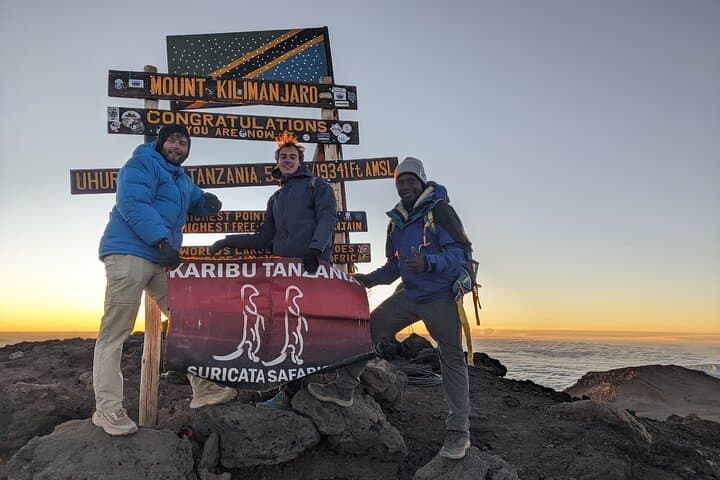
A six-day, guided ascent of Kilimanjaro via the Machame Route blends rainforest paths, high moorland and a gruelling summit night to Uhuru Peak. This practical guide outlines what to expect on each stage and how to prepare for altitude, terrain, and weather.
A six-day, guided ascent of Kilimanjaro via the Machame Route blends rainforest paths, high moorland and a gruelling summit night to Uhuru Peak. This practical guide outlines what to expect on each stage and how to prepare for altitude, terrain, and weather.
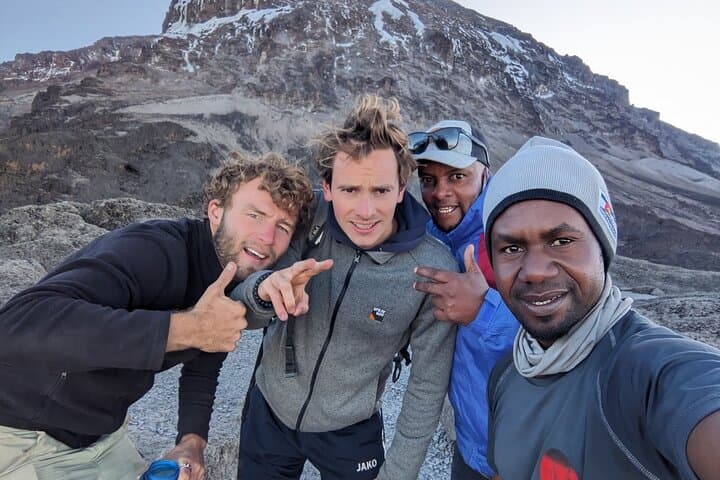
Dawn arrives as the rainforest exhales and the trail out of Machame Gate narrows into a living wall of moss and towering trees. You feel the path rise beneath your boots—first a soft, damp carpet of leaves, then hard volcanic scree that tests each step. By the time clouds pull away, Kibo’s icy crown looms ahead, patient and immense.
Verified experiences and guided adventures in the surrounding area.
Operated by Suricata Safaris · Arusha, Arusha
Dawn arrives as the rainforest exhales and the trail out of Machame Gate narrows into a living wall of moss and towering trees. You feel the path rise beneath your boots—first a soft, damp carpet of leaves, then hard volcanic scree that tests each step. By the time clouds pull away, Kibo’s icy crown looms ahead, patient and immense.
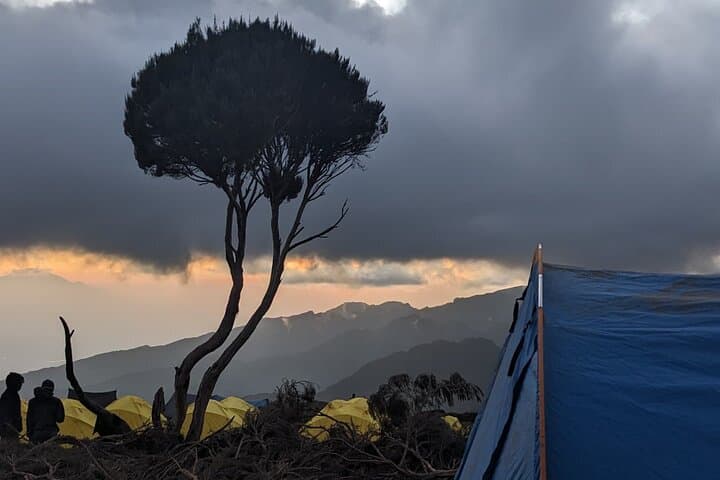
The Machame Route threads a series of ecological bands: montane rainforest, moorland, alpine desert and the glaciated summit rim. The mountain’s geological story is volcanic — Kilimanjaro’s three cones (Kibo, Mawenzi, Shira) record eruptions that shaped East Africa’s skyline. Culturally, the Chagga people have long regarded the mountain as a place of seasonal resources and ritual; modern treks now funnel through Kilimanjaro National Park with strict permit systems and experienced local crews.
Expect variable terrain: muddy, root-strewn tracks in the forest; tussocky moorland on Shira; steep scree near Barafu. Acclimatization is built into day three’s “walk high, sleep low” profile; summit night is a cold, oxygen-thin push that rewards patient pacing and steady breathing. Weather can flip from bright sun to wind-driven snow; the glaciers brood silently above, shrinking but still dramatic.
Practical guidance: train with long hikes and weighted packs, prioritize sleep and hydration, and use layered clothing for rapid temperature swings. Hire certified guides and respect porter limits—tipping on descent is customary. Carry cash for tips and simple souvenirs in Arusha after your hot shower and celebration.
challenging.
6 days.
Requires good aerobic fitness and experience with full-day hikes; training hikes with weighted packs recommended.
No technical climbing skills are required—the route is a strenuous hike—but prior multi-day trekking experience and good fitness are strongly recommended.
Yes, certified guides, cooks and porters are standard; they handle logistics, meals, and campsite setup throughout the six days.
Summit success depends on fitness, acclimatization, weather and pacing; the Machame Route’s acclimatization profile improves chances but guarantees are not possible.
Standard travel vaccinations are advised; trekking requires Kilimanjaro National Park permits obtained by your operator and a passport for registration.
Kilimanjaro has long cultural significance for local Chagga communities; the first recorded ascent of Kibo was by Hans Meyer in 1889.
Kilimanjaro National Park regulates access with permits and fees; pack-out waste practices and responsible tipping support local livelihoods while reducing environmental impact.
Suricata Safaris operates guided outdoor trips and adventures with an emphasis on safety, stewardship, and memorable experiences.

Dawn arrives as the rainforest exhales and the trail out of Machame Gate narrows into a living wall of moss and towering trees. You feel the path rise beneath your boots—first a soft, damp carpet of leaves, then hard volcanic scree that tests each step. By the time clouds pull away, Kibo’s icy crown looms ahead, patient and immense.
Dawn arrives as the rainforest exhales and the trail out of Machame Gate narrows into a living wall of moss and towering trees. You feel the path rise beneath your boots—first a soft, damp carpet of leaves, then hard volcanic scree that tests each step. By the time clouds pull away, Kibo’s icy crown looms ahead, patient and immense.
The Machame Route threads a series of ecological bands: montane rainforest, moorland, alpine desert and the glaciated summit rim. The mountain’s geological story is volcanic — Kilimanjaro’s three cones (Kibo, Mawenzi, Shira) record eruptions that shaped East Africa’s skyline. Culturally, the Chagga people have long regarded the mountain as a place of seasonal resources and ritual; modern treks now funnel through Kilimanjaro National Park with strict permit systems and experienced local crews.
Expect variable terrain: muddy, root-strewn tracks in the forest; tussocky moorland on Shira; steep scree near Barafu. Acclimatization is built into day three’s “walk high, sleep low” profile; summit night is a cold, oxygen-thin push that rewards patient pacing and steady breathing. Weather can flip from bright sun to wind-driven snow; the glaciers brood silently above, shrinking but still dramatic.
Practical guidance: train with long hikes and weighted packs, prioritize sleep and hydration, and use layered clothing for rapid temperature swings. Hire certified guides and respect porter limits—tipping on descent is customary. Carry cash for tips and simple souvenirs in Arusha after your hot shower and celebration.