THE ADVENTURE COLLECTIVE® · Independent discovery and booking for outdoor travel

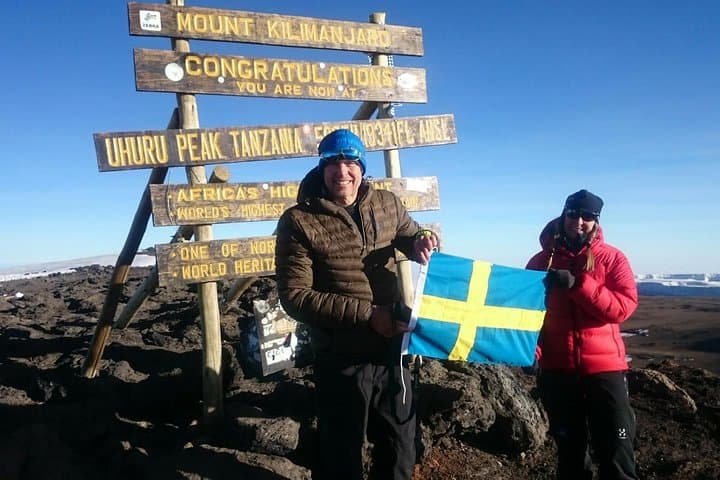
A six-day Machame Route ascent offers varied ecosystems, steep ridge walking, and a midnight summit push to Uhuru Peak. This guide explains what to expect on trail, cultural touchpoints, and practical steps to prepare.
A six-day Machame Route ascent offers varied ecosystems, steep ridge walking, and a midnight summit push to Uhuru Peak. This guide explains what to expect on trail, cultural touchpoints, and practical steps to prepare.
You step out of the van at Machame Gate, the air immediately cooler and the rainforest ahead already whispering. Trails rise into moss-draped trunks, clouds press against ridgelines, and porters move with practiced rhythm—this is the Machame Route, a six-day push that trades short, steep days for better acclimatization and a higher summit success rate.
Verified experiences and guided adventures in the surrounding area.
Operated by Serengeti Safari Booking · Moshi, Kilimanjaro Region
You step out of the van at Machame Gate, the air immediately cooler and the rainforest ahead already whispering. Trails rise into moss-draped trunks, clouds press against ridgelines, and porters move with practiced rhythm—this is the Machame Route, a six-day push that trades short, steep days for better acclimatization and a higher summit success rate.
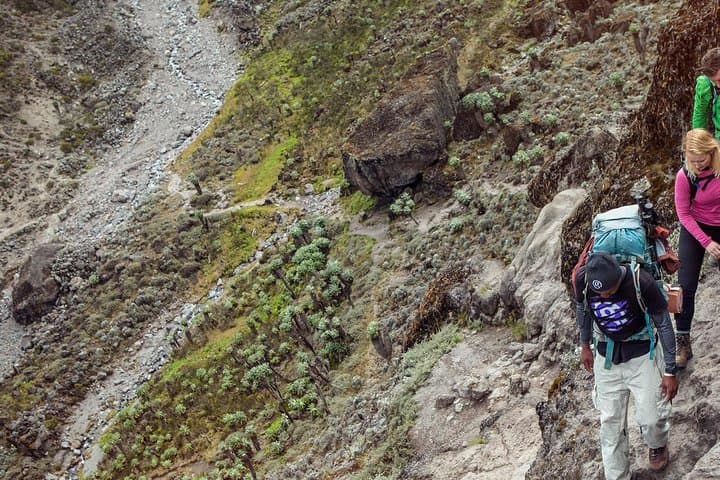
Kilimanjaro is a freestanding volcano whose layers record Africa’s geological past: rainforest gives way to moorland, then alpine desert, and finally the scree and glaciers near Uhuru Peak. The Machame Route crosses those bands on a south-side circuit that shows the mountain from changing angles; villages on the lower slopes reflect Chagga culture, with terraced farms and banana groves that have fed climbers for generations.
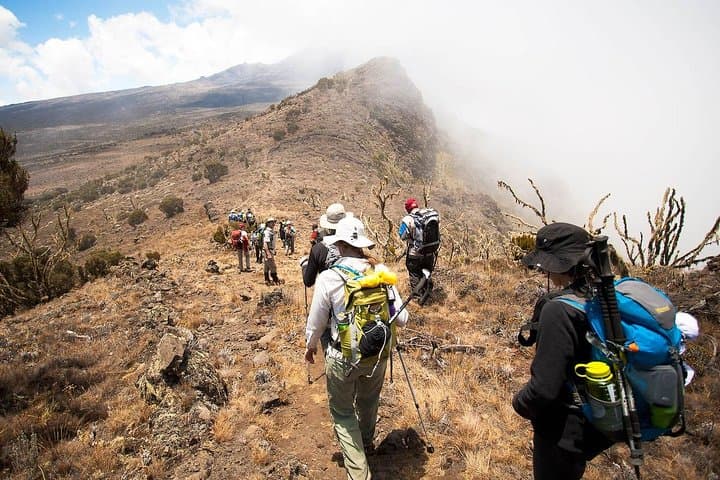
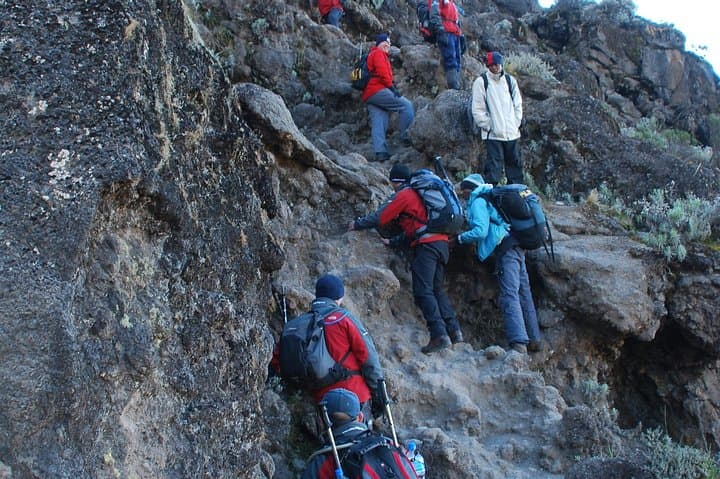
Historically a sacred peak, Kilimanjaro now blends conservation zones with community tourism—guides are often local and porters from nearby towns. Expect muddy rainforest paths, steep rocky ridges on the Shira approach, a strenuous acclimatization day via Lava Tower, and a long, cold summit night from Barafu to Uhuru.
Practical guidance: carry layered insulation for summit night, use trekking poles and gaiters on scree, and hydrate aggressively—altitude, not distance, is the chief hazard. Plan for 5–8 hours of walking most days, and allow contingencies for weather. With experienced guides, proper gear, and respect for acclimatization, the Machame Route is a challenging but achievable route to Africa’s rooftop.
challenging.
6 days.
Good cardiovascular fitness and prior multi-day hiking experience recommended; able to carry a daypack for 6–8 hour walking days.
Machame is steeper and more scenic than Marangu but offers better acclimatization than some shorter routes; it’s considered moderately to highly strenuous.
No technical mountaineering skills are required; the route involves steep hiking and scree but not technical ice-climbing for the standard Machame itinerary.
Altitude sickness, cold exposure on summit night, and slips on loose ground; proper pacing, clothing, and communication with guides mitigate these risks.
Park regulations require licensed guides; porter services are strongly recommended and included with reputable operators to carry group gear and support safety.
Kilimanjaro has long been part of Chagga cultural life and later a focus for European explorers; the national park was established in 1977 to protect its unique ecosystems.
Park fees fund conservation and community projects; minimize campfire use, carry out waste, and hire licensed operators who follow park guidelines.
Serengeti Safari Booking operates guided outdoor trips and adventures with an emphasis on safety, stewardship, and memorable experiences.
You step out of the van at Machame Gate, the air immediately cooler and the rainforest ahead already whispering. Trails rise into moss-draped trunks, clouds press against ridgelines, and porters move with practiced rhythm—this is the Machame Route, a six-day push that trades short, steep days for better acclimatization and a higher summit success rate.
You step out of the van at Machame Gate, the air immediately cooler and the rainforest ahead already whispering. Trails rise into moss-draped trunks, clouds press against ridgelines, and porters move with practiced rhythm—this is the Machame Route, a six-day push that trades short, steep days for better acclimatization and a higher summit success rate.
Kilimanjaro is a freestanding volcano whose layers record Africa’s geological past: rainforest gives way to moorland, then alpine desert, and finally the scree and glaciers near Uhuru Peak. The Machame Route crosses those bands on a south-side circuit that shows the mountain from changing angles; villages on the lower slopes reflect Chagga culture, with terraced farms and banana groves that have fed climbers for generations.
Historically a sacred peak, Kilimanjaro now blends conservation zones with community tourism—guides are often local and porters from nearby towns. Expect muddy rainforest paths, steep rocky ridges on the Shira approach, a strenuous acclimatization day via Lava Tower, and a long, cold summit night from Barafu to Uhuru.
Practical guidance: carry layered insulation for summit night, use trekking poles and gaiters on scree, and hydrate aggressively—altitude, not distance, is the chief hazard. Plan for 5–8 hours of walking most days, and allow contingencies for weather. With experienced guides, proper gear, and respect for acclimatization, the Machame Route is a challenging but achievable route to Africa’s rooftop.