THE ADVENTURE COLLECTIVE® · Independent discovery and booking for outdoor travel

Six days on the Machame Route takes you from rainforest to the roof of Africa. This guided trek combines acclimatization, experienced crew support, and a challenging summit night to reach Uhuru Peak.
Six days on the Machame Route takes you from rainforest to the roof of Africa. This guided trek combines acclimatization, experienced crew support, and a challenging summit night to reach Uhuru Peak.
Dawn slips over the rim of Kilimanjaro and the trail ahead is a ribbon of boot prints through a breathing landscape—rainforest giving way to heather moorland, then a high alpine world of scree and wind. On the Machame Route you move through five climatic zones in six days: a fragrant, mossy forest; open moorland; jagged lava and scree; arctic desert; and finally the crater rim that frames Uhuru Peak.
Verified experiences and guided adventures in the surrounding area.
Operated by Climb Kili · Moshi, Kilimanjaro
Dawn slips over the rim of Kilimanjaro and the trail ahead is a ribbon of boot prints through a breathing landscape—rainforest giving way to heather moorland, then a high alpine world of scree and wind. On the Machame Route you move through five climatic zones in six days: a fragrant, mossy forest; open moorland; jagged lava and scree; arctic desert; and finally the crater rim that frames Uhuru Peak.
Geology here is blunt and ancient: a dormant stratovolcano built from successive eruptions, its glaciers carved into the summit. The local Chagga people have farmed the mountain’s lower slopes for centuries; their villages and coffee terraces sit in the shadow of a peak that defined regional trade and culture long before modern trekking began.
Expect long days of steady uphill and technical sections of loose volcanic scree on summit night. Acclimatization is built into the itinerary with a climb to Lava Tower before returning to lower camp—one of the reasons many operators report high summit success rates. Crews manage camps and meals, but the hardest work remains yours: pacing, breathing, and managing altitude.
Practical guidance: train with sustained uphill hiking and long backpack days, use layered clothing for wide temperature swings, and carry a 2–3 liter hydration system. Start summit pushes around midnight to reach Stella Point at sunrise. Respect park rules, leave no trace, and plan for contingency days if weather or acclimatization requires extra time.
challenging.
6 days.
Candidates should be in excellent aerobic condition with experience on multi-day hikes and the ability to hike 6–8 hours with a day of steep ascent.
Summit night is the most demanding: a 6–7 hour ascent from high camp, often starting at midnight, over steep, loose scree—good pacing and acclimatization are crucial.
No technical gear is required for the standard Machame Route; it is non-technical trekking, though crampons may be needed in rare icy conditions near the summit.
Camps use portable or pit latrines at designated sites; carry hand sanitizer and pack out toilet paper if required by your operator.
Dry months (January–March and June–October) offer more stable weather and clearer summit views, though guided climbs operate year-round with variable conditions.
Kilimanjaro is a composite volcanic structure whose peaks formed in separate eruptive phases; the mountain has been central to Chagga agriculture and oral histories for centuries.
Mount Kilimanjaro National Park enforces strict waste and camping rules; choose operators who use established camps, proper waste disposal, and fair portering practices.
Climb Kili operates guided outdoor trips and adventures with an emphasis on safety, stewardship, and memorable experiences.

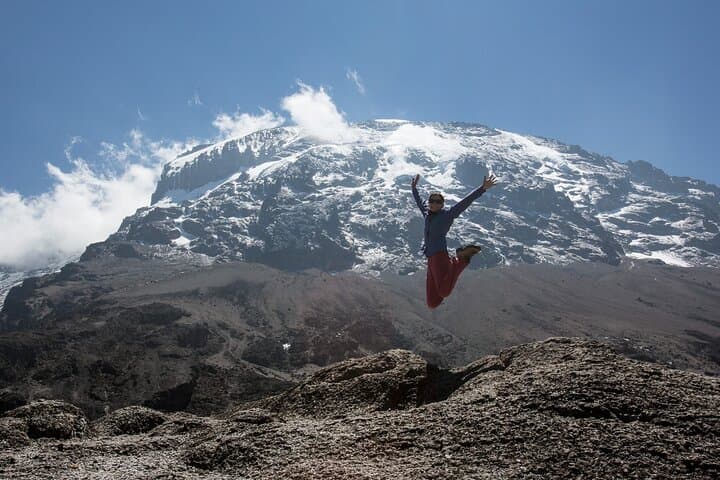
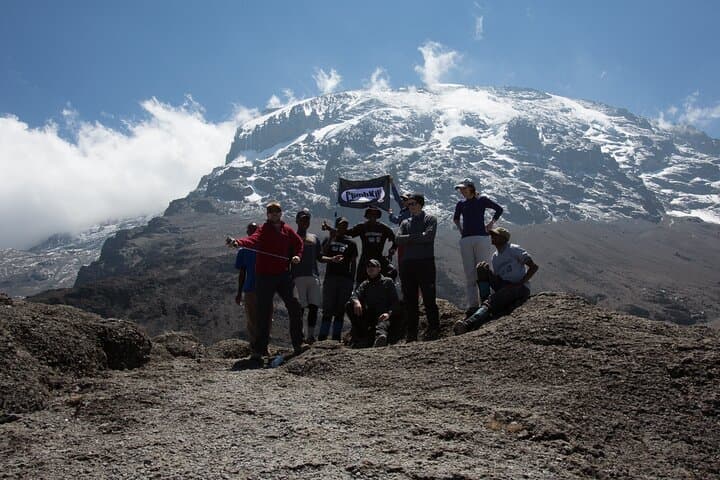

Dawn slips over the rim of Kilimanjaro and the trail ahead is a ribbon of boot prints through a breathing landscape—rainforest giving way to heather moorland, then a high alpine world of scree and wind. On the Machame Route you move through five climatic zones in six days: a fragrant, mossy forest; open moorland; jagged lava and scree; arctic desert; and finally the crater rim that frames Uhuru Peak.
Dawn slips over the rim of Kilimanjaro and the trail ahead is a ribbon of boot prints through a breathing landscape—rainforest giving way to heather moorland, then a high alpine world of scree and wind. On the Machame Route you move through five climatic zones in six days: a fragrant, mossy forest; open moorland; jagged lava and scree; arctic desert; and finally the crater rim that frames Uhuru Peak.
Geology here is blunt and ancient: a dormant stratovolcano built from successive eruptions, its glaciers carved into the summit. The local Chagga people have farmed the mountain’s lower slopes for centuries; their villages and coffee terraces sit in the shadow of a peak that defined regional trade and culture long before modern trekking began.
Expect long days of steady uphill and technical sections of loose volcanic scree on summit night. Acclimatization is built into the itinerary with a climb to Lava Tower before returning to lower camp—one of the reasons many operators report high summit success rates. Crews manage camps and meals, but the hardest work remains yours: pacing, breathing, and managing altitude.
Practical guidance: train with sustained uphill hiking and long backpack days, use layered clothing for wide temperature swings, and carry a 2–3 liter hydration system. Start summit pushes around midnight to reach Stella Point at sunrise. Respect park rules, leave no trace, and plan for contingency days if weather or acclimatization requires extra time.