THE ADVENTURE COLLECTIVE® · Independent discovery and booking for outdoor travel

A raw, six-day ascent from rainforest to the icy crater rim—this Machame route itinerary blends steep trails, high-altitude camps and a midnight summit push to Uhuru Peak. Read on for terrain notes and practical tips.
A raw, six-day ascent from rainforest to the icy crater rim—this Machame route itinerary blends steep trails, high-altitude camps and a midnight summit push to Uhuru Peak. Read on for terrain notes and practical tips.
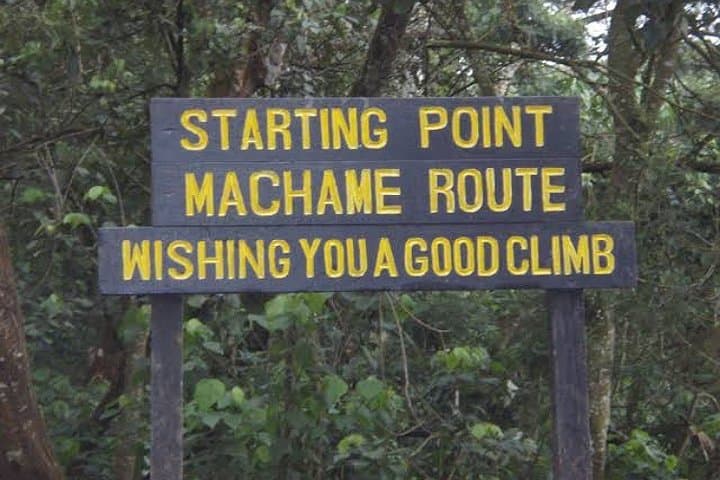
Night air at Machame Gate tastes of damp earth and green leaves; headlamps stitch a steady line of light as groups move into the rainforest, porters' panniers rustling behind. Over six days the trail climbs from thick, wet jungle into high moorland, across a sun-baked alpine desert and finally into the skeletal ice rims around Kibo. By the time you reach Stella Point the sun pries open the crater and Uhuru Peak sits like an earned horizon.
Verified experiences and guided adventures in the surrounding area.
Operated by SEASON MASTER ADVENTURES · Moshi, Kilimanjaro Region
Night air at Machame Gate tastes of damp earth and green leaves; headlamps stitch a steady line of light as groups move into the rainforest, porters' panniers rustling behind. Over six days the trail climbs from thick, wet jungle into high moorland, across a sun-baked alpine desert and finally into the skeletal ice rims around Kibo. By the time you reach Stella Point the sun pries open the crater and Uhuru Peak sits like an earned horizon.
Geology here records volcanic drama: Kibo’s ash-and-lava cone rises within a caldera ringed by Mawenzi and Shira, and the Machame route threads volcanic terraces and scree fields formed over millennia. Culturally, the slopes are in Chagga country; villages around Moshi have long supported porters and guides who keep ascent knowledge alive and local economies humming.
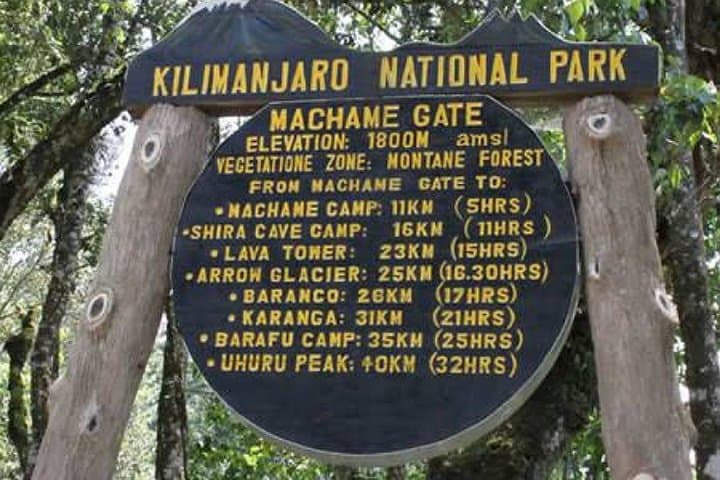
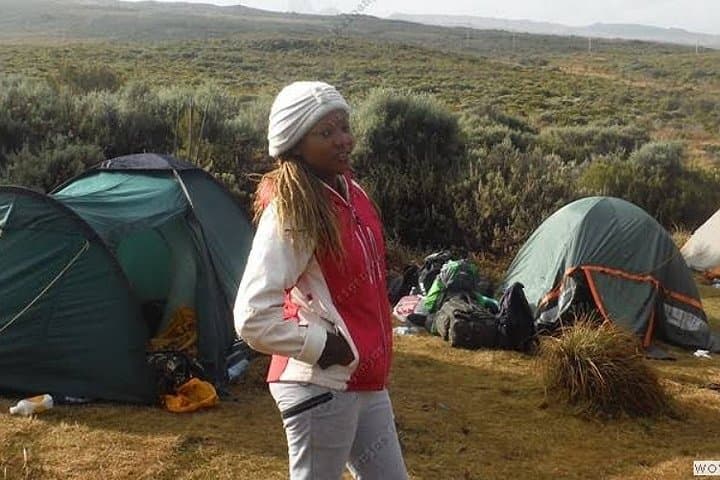
Expect 4,200+ meters of elevation gain (Machame Gate ~1,700 m to Uhuru Peak 5,895 m), mixed terrain—muddy rainforest tracks, tussock moorland, rocky climbs and steep scree—plus one midnight summit push starting around 00:00. Camps are tented; cooks provide hot meals and treated water. The itinerary’s steep sections include the Great Barranco Wall and the final scree slog to Barafu.
Practically: prioritize acclimatization, steady pacing and layered clothing. Use trekking poles for scree, hydrate frequently, and carry a reliable headlamp and spare batteries. Plan for wet weather on lower slopes and bitter cold near the crater; respect park regulations and tip porters fairly. With preparation and respect for altitude, the Machame route is a raw, direct way to earn Kilimanjaro’s summit and the view that refuses to feel ordinary.
challenging.
6 days.
Good aerobic fitness and experience with multi-day hiking; ability to walk 6–8 hours on steep terrain and carry a daypack.
Machame is steeper and more varied than Marangu; it’s considered more challenging but offers better acclimatization when done over 7 days—this 6-day itinerary is demanding.
Altitude sickness is the primary risk—recognize symptoms early, communicate with guides and be prepared to descend if necessary.
No technical climbing skills are required on Machame; crampons are not typically needed for the standard route, though guides monitor glacier conditions near the summit.
Most commercial packages include park fees and ranger support—confirm with your operator and carry ID and passport details for registration.
Kilimanjaro’s recorded ascent history dates to the late 19th century (first credited to Hans Meyer, 1889); the mountain has long cultural significance to the Chagga people who live on its slopes.
Kilimanjaro National Park manages trekking routes and visitor impact—pack out waste, use treated water provided, and support fair-wage porter policies to minimize harm.
SEASON MASTER ADVENTURES operates guided outdoor trips and adventures with an emphasis on safety, stewardship, and memorable experiences.
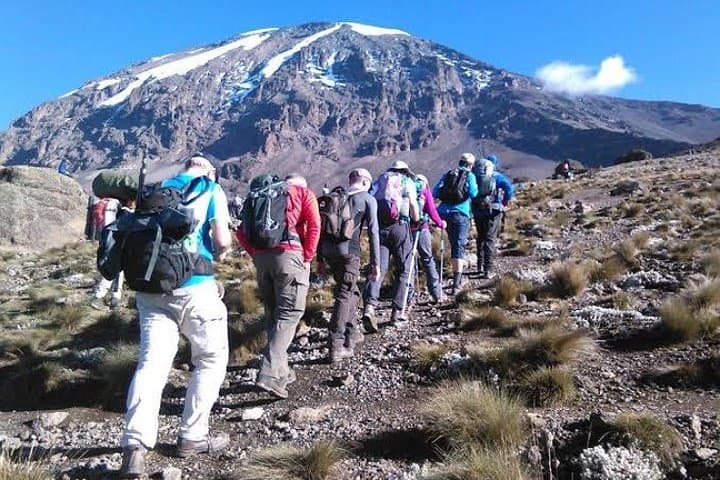
Night air at Machame Gate tastes of damp earth and green leaves; headlamps stitch a steady line of light as groups move into the rainforest, porters' panniers rustling behind. Over six days the trail climbs from thick, wet jungle into high moorland, across a sun-baked alpine desert and finally into the skeletal ice rims around Kibo. By the time you reach Stella Point the sun pries open the crater and Uhuru Peak sits like an earned horizon.
Night air at Machame Gate tastes of damp earth and green leaves; headlamps stitch a steady line of light as groups move into the rainforest, porters' panniers rustling behind. Over six days the trail climbs from thick, wet jungle into high moorland, across a sun-baked alpine desert and finally into the skeletal ice rims around Kibo. By the time you reach Stella Point the sun pries open the crater and Uhuru Peak sits like an earned horizon.
Geology here records volcanic drama: Kibo’s ash-and-lava cone rises within a caldera ringed by Mawenzi and Shira, and the Machame route threads volcanic terraces and scree fields formed over millennia. Culturally, the slopes are in Chagga country; villages around Moshi have long supported porters and guides who keep ascent knowledge alive and local economies humming.
Expect 4,200+ meters of elevation gain (Machame Gate ~1,700 m to Uhuru Peak 5,895 m), mixed terrain—muddy rainforest tracks, tussock moorland, rocky climbs and steep scree—plus one midnight summit push starting around 00:00. Camps are tented; cooks provide hot meals and treated water. The itinerary’s steep sections include the Great Barranco Wall and the final scree slog to Barafu.
Practically: prioritize acclimatization, steady pacing and layered clothing. Use trekking poles for scree, hydrate frequently, and carry a reliable headlamp and spare batteries. Plan for wet weather on lower slopes and bitter cold near the crater; respect park regulations and tip porters fairly. With preparation and respect for altitude, the Machame route is a raw, direct way to earn Kilimanjaro’s summit and the view that refuses to feel ordinary.