THE ADVENTURE COLLECTIVE® · Independent discovery and booking for outdoor travel

A six-day private Machame-route ascent that walks you from mossy montane forest to Uhuru Peak. This guided trek blends gradual acclimatization, local crew expertise, and exposed high-altitude terrain for a serious but achievable summit attempt.
A six-day private Machame-route ascent that walks you from mossy montane forest to Uhuru Peak. This guided trek blends gradual acclimatization, local crew expertise, and exposed high-altitude terrain for a serious but achievable summit attempt.
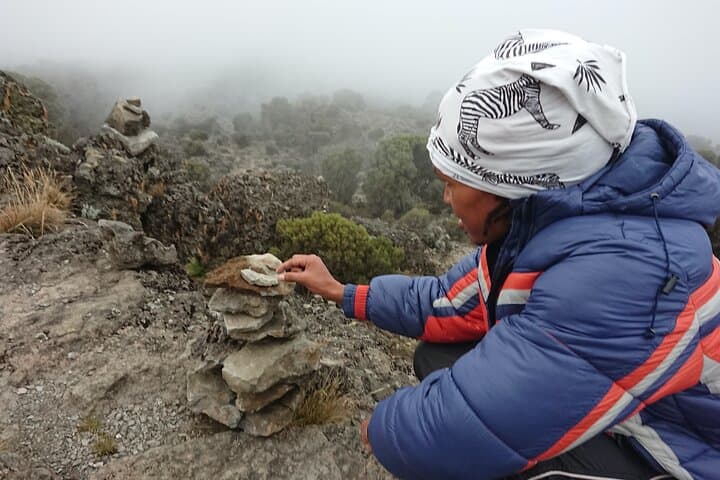
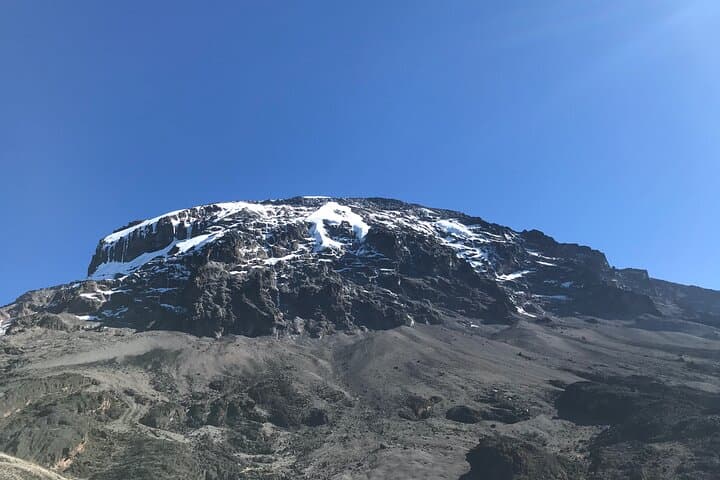
You step out of the minivan before dawn and the mountain is a wall of shadow and light—black rock bleeding into ice above a band of cloud. The Machame route begins in a wet, green world: giant lobelia and dense montane forest where trails thread between dripping trunks and the air smells of loam and eucalyptus. On Day 1 porters shoulder canvas and smiles; your guide checks everyone’s boots and gauges the pace. The route pushes you from that wet undercanopy into scrubby heath, across the Shira Plateau’s wind-swept terrain and up through the hulking Barranco Wall toward the bleak ridge of Barafu and, finally, the thin, thin air of Uhuru Peak.
Verified experiences and guided adventures in the surrounding area.
Operated by Tarry Adventures and Safaris · Moshi, Kilimanjaro Region
You step out of the minivan before dawn and the mountain is a wall of shadow and light—black rock bleeding into ice above a band of cloud. The Machame route begins in a wet, green world: giant lobelia and dense montane forest where trails thread between dripping trunks and the air smells of loam and eucalyptus. On Day 1 porters shoulder canvas and smiles; your guide checks everyone’s boots and gauges the pace. The route pushes you from that wet undercanopy into scrubby heath, across the Shira Plateau’s wind-swept terrain and up through the hulking Barranco Wall toward the bleak ridge of Barafu and, finally, the thin, thin air of Uhuru Peak.
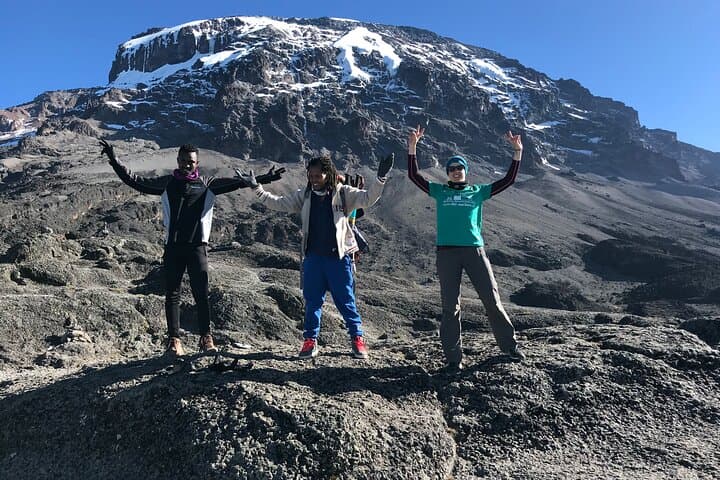
Geology and history are written in the rock. Kilimanjaro is a dormant stratovolcano—three cones stacked over a million years—and the Machame route traverses a cross-section of that story: eroded lava fields, volcanic scree, and relic glaciers that still crown the summit despite rapid retreat. The mountain also sits inside Chagga country: your crew will likely include local guides whose livelihoods are bound to these slopes and who keep route knowledge alive through generations.
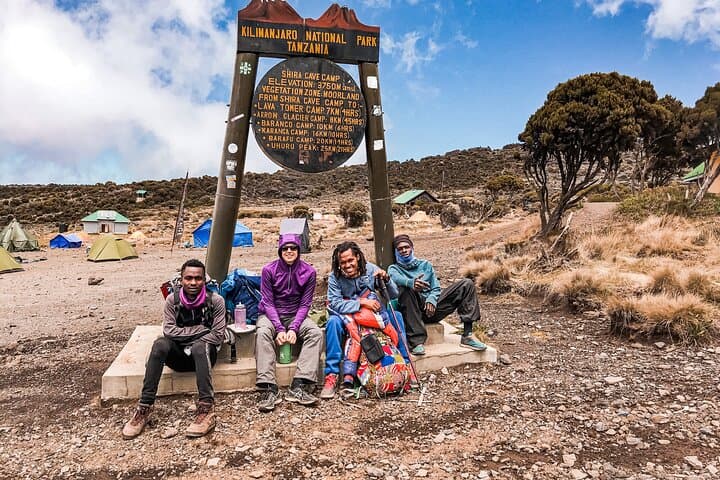
The itinerary is practical and intentional: six days to climb, designed to give your body time to acclimatize. Expect 5–8 hours of hiking on most days, loose volcanic scree on slopes, and steep sections like the Barranco Wall that demand steady footing more than technical climbing skills. Nights are in tent camps—Machame, Shira, Barranco, Barafu, and Mweka—where the wind has a voice and hot stews revive you after long, high days.
For planning: prioritize slow pacing and hydration. Use a layered system for wide temperature swings and carry a small daypack with essential warm layers for the summit push; summit attempts start around midnight to reach Stella Point at sunrise. Bring trekking poles for steep descents—loose gravel will test knees—and trust the crew: their rhythm of breaks, tea, and careful leadership is what gets most climbers to the top.
Logistics are straightforward: pickups from Moshi hotels or Kilimanjaro Airport, full-board meals on trek, and a private guide and porter team. Physical preparation matters—regular long hikes with elevation gain and interval work will pay dividends. Finally, respect the mountain: carry out trash, follow park rules, and tip porters only after everyone and all gear are safely down at the gate.
The payoff is elemental: a sunrise that slides over crater rim and ice, the sudden quiet of summit air, and the slow, grateful descent back into forest. This is high-altitude trekking with local expertise, a fair wage model for staff, and a clear line of sight to the peak if you arrive prepared.
challenging.
6 days.
Should be in good cardiovascular shape with experience on long day hikes and sustained elevation gain; prepare with multi-hour hikes and stair or hill training.
Machame is steeper and more technical than Marangu but offers better acclimatization than three-day routes; it's popular for its scenery and balance of difficulty and success rate.
This tour includes park permits, camping fees, and a licensed local guide—confirm specifics with the operator at booking.
Success varies by fitness and acclimatization but generally ranges from 60–80% for six-day itineraries; pacing and altitude response are decisive.
June–October and January–February are the driest and most stable months, offering clearer summit views and firmer trail conditions.
Acute mountain sickness is the primary risk; the itinerary spaces sleep elevations to aid acclimatization, but know symptoms and be prepared to descend if they worsen.
Tipping is customary—budget roughly 10–20% of your trek cost split among the crew, but wait until everyone and your gear have reached the gate safely.
Kilimanjaro’s first recorded ascent was in 1889 by Hans Meyer and Ludwig Purtscheller; the mountain lies on ancestral Chagga lands and remains central to local livelihoods.
Mount Kilimanjaro National Park manages visitor impact through permits and fees; follow Leave No Trace, avoid single-use plastics, and support operators who pay porters fair wages.
Tarry Adventures and Safaris operates guided outdoor trips and adventures with an emphasis on safety, stewardship, and memorable experiences.
You step out of the minivan before dawn and the mountain is a wall of shadow and light—black rock bleeding into ice above a band of cloud. The Machame route begins in a wet, green world: giant lobelia and dense montane forest where trails thread between dripping trunks and the air smells of loam and eucalyptus. On Day 1 porters shoulder canvas and smiles; your guide checks everyone’s boots and gauges the pace. The route pushes you from that wet undercanopy into scrubby heath, across the Shira Plateau’s wind-swept terrain and up through the hulking Barranco Wall toward the bleak ridge of Barafu and, finally, the thin, thin air of Uhuru Peak.
You step out of the minivan before dawn and the mountain is a wall of shadow and light—black rock bleeding into ice above a band of cloud. The Machame route begins in a wet, green world: giant lobelia and dense montane forest where trails thread between dripping trunks and the air smells of loam and eucalyptus. On Day 1 porters shoulder canvas and smiles; your guide checks everyone’s boots and gauges the pace. The route pushes you from that wet undercanopy into scrubby heath, across the Shira Plateau’s wind-swept terrain and up through the hulking Barranco Wall toward the bleak ridge of Barafu and, finally, the thin, thin air of Uhuru Peak.
Geology and history are written in the rock. Kilimanjaro is a dormant stratovolcano—three cones stacked over a million years—and the Machame route traverses a cross-section of that story: eroded lava fields, volcanic scree, and relic glaciers that still crown the summit despite rapid retreat. The mountain also sits inside Chagga country: your crew will likely include local guides whose livelihoods are bound to these slopes and who keep route knowledge alive through generations.
The itinerary is practical and intentional: six days to climb, designed to give your body time to acclimatize. Expect 5–8 hours of hiking on most days, loose volcanic scree on slopes, and steep sections like the Barranco Wall that demand steady footing more than technical climbing skills. Nights are in tent camps—Machame, Shira, Barranco, Barafu, and Mweka—where the wind has a voice and hot stews revive you after long, high days.
For planning: prioritize slow pacing and hydration. Use a layered system for wide temperature swings and carry a small daypack with essential warm layers for the summit push; summit attempts start around midnight to reach Stella Point at sunrise. Bring trekking poles for steep descents—loose gravel will test knees—and trust the crew: their rhythm of breaks, tea, and careful leadership is what gets most climbers to the top.
Logistics are straightforward: pickups from Moshi hotels or Kilimanjaro Airport, full-board meals on trek, and a private guide and porter team. Physical preparation matters—regular long hikes with elevation gain and interval work will pay dividends. Finally, respect the mountain: carry out trash, follow park rules, and tip porters only after everyone and all gear are safely down at the gate.
The payoff is elemental: a sunrise that slides over crater rim and ice, the sudden quiet of summit air, and the slow, grateful descent back into forest. This is high-altitude trekking with local expertise, a fair wage model for staff, and a clear line of sight to the peak if you arrive prepared.