THE ADVENTURE COLLECTIVE® · Independent discovery and booking for outdoor travel

Climb Kilimanjaro via the scenic Machame ("Whiskey") route over six days, passing rainforest, moorland and alpine desert before a midnight push to Uhuru Peak. Expect varied terrain, steep acclimatization days and a true high-altitude challenge.
Climb Kilimanjaro via the scenic Machame ("Whiskey") route over six days, passing rainforest, moorland and alpine desert before a midnight push to Uhuru Peak. Expect varied terrain, steep acclimatization days and a true high-altitude challenge.
Dawn on the Machame trail feels decisive: mist peels off the montane forest, porters’ footsteps tap a rhythm and the mountain’s bulk looms above, a shifting crown of ice and scree. The Machame ("Whiskey") route throws a variety of terrain at you—rainforest roots give way to heather-scrub, then a high, arid corridor of volcanic rock that exposes Kibo’s glaciers.
Verified experiences and guided adventures in the surrounding area.
Operated by DRONES AFRICA SAFARIS · Moshi, Kilimanjaro Region
Dawn on the Machame trail feels decisive: mist peels off the montane forest, porters’ footsteps tap a rhythm and the mountain’s bulk looms above, a shifting crown of ice and scree. The Machame ("Whiskey") route throws a variety of terrain at you—rainforest roots give way to heather-scrub, then a high, arid corridor of volcanic rock that exposes Kibo’s glaciers.
Geologically, Kilimanjaro is a dormant volcanic massif with three cones—Shira, Mawenzi and Kibo—capped by the Uhuru glacier at 5,895 m. The Machame approach winds the southern flanks, offering close views of lava formations such as the Lava Tower and the crater rim at Stella Point. Culturally, the lower slopes are home to Chagga farms and villages; porters and guides often come from these communities and carry centuries of local mountain lore.
In practical terms, this is a six-day, guided trek with daily stages from 1,830 m to a summit push from Barafu at ~4,600 m. Expect long ascent days (5–8 hours) and a gruelling midnight summit attempt to catch sunrise at Stella Point. Altitude, loose scree and rapid temperature swings are the core challenges.
Plan for layered cold-weather gear, rigid-sole boots, gaiters and trekking poles. Hydration (3–4 L/day), slow pacing and calorie-dense snacks matter more than speed. Allow two rest-acclimatization days built into this itinerary and be ready for muddy lower sections and icy upper slopes. With solid fitness and a conservative approach to altitude, the Machame route rewards you with varied ecosystems and a genuine chance to stand on Africa’s rooftop.
challenging.
6 days.
Good cardiovascular fitness and experience with multi-day hikes at altitude; ability to carry a daypack for 6–8 hour hiking days.
No technical climbing skills are required, but prior multi-day trekking experience and good fitness improve comfort and summit odds.
Guided packages normally include park and camping fees; confirm with the operator that all permits and rescue fees are covered.
Altitude is the primary challenge—proper acclimatization, slow pace and hydration determine summit success more than raw fitness.
Tipping is customary; budget around 10–20% of the trip cost split among guides, cooks and porters depending on service and group size.
Kilimanjaro is a volcanic massif formed by successive eruptions; human settlement on its lower slopes by the Chagga people has shaped unique agricultural terraces and mountain culture.
Mount Kilimanjaro National Park enforces strict waste and camping rules; use local guides who follow porter welfare best practices and pack out non-biodegradable trash.
DRONES AFRICA SAFARIS operates guided outdoor trips and adventures with an emphasis on safety, stewardship, and memorable experiences.

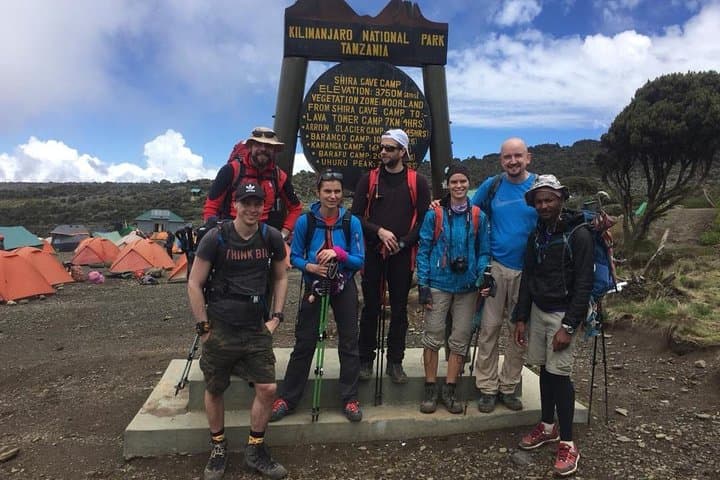
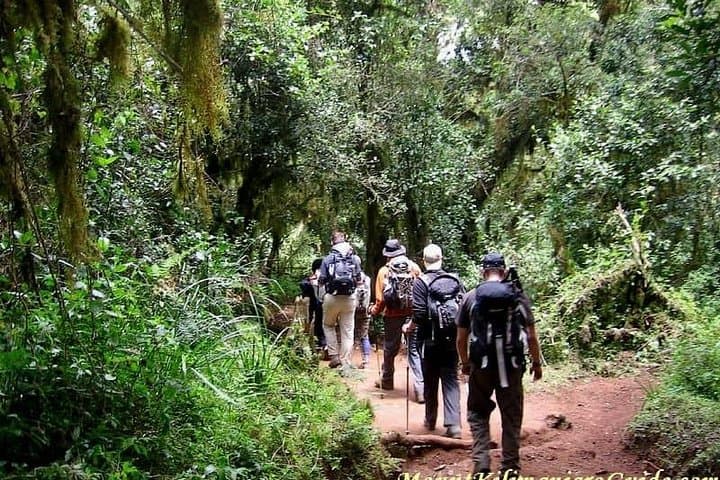

Dawn on the Machame trail feels decisive: mist peels off the montane forest, porters’ footsteps tap a rhythm and the mountain’s bulk looms above, a shifting crown of ice and scree. The Machame ("Whiskey") route throws a variety of terrain at you—rainforest roots give way to heather-scrub, then a high, arid corridor of volcanic rock that exposes Kibo’s glaciers.
Dawn on the Machame trail feels decisive: mist peels off the montane forest, porters’ footsteps tap a rhythm and the mountain’s bulk looms above, a shifting crown of ice and scree. The Machame ("Whiskey") route throws a variety of terrain at you—rainforest roots give way to heather-scrub, then a high, arid corridor of volcanic rock that exposes Kibo’s glaciers.
Geologically, Kilimanjaro is a dormant volcanic massif with three cones—Shira, Mawenzi and Kibo—capped by the Uhuru glacier at 5,895 m. The Machame approach winds the southern flanks, offering close views of lava formations such as the Lava Tower and the crater rim at Stella Point. Culturally, the lower slopes are home to Chagga farms and villages; porters and guides often come from these communities and carry centuries of local mountain lore.
In practical terms, this is a six-day, guided trek with daily stages from 1,830 m to a summit push from Barafu at ~4,600 m. Expect long ascent days (5–8 hours) and a gruelling midnight summit attempt to catch sunrise at Stella Point. Altitude, loose scree and rapid temperature swings are the core challenges.
Plan for layered cold-weather gear, rigid-sole boots, gaiters and trekking poles. Hydration (3–4 L/day), slow pacing and calorie-dense snacks matter more than speed. Allow two rest-acclimatization days built into this itinerary and be ready for muddy lower sections and icy upper slopes. With solid fitness and a conservative approach to altitude, the Machame route rewards you with varied ecosystems and a genuine chance to stand on Africa’s rooftop.