THE ADVENTURE COLLECTIVE® · Independent discovery and booking for outdoor travel

Six days on the Machame Route take you from rainforest to summit rim, combining careful acclimatization with dramatic alpine terrain. This guide covers what to expect on trail, the key technical moments and practical tips to reach Uhuru Peak.
Six days on the Machame Route take you from rainforest to summit rim, combining careful acclimatization with dramatic alpine terrain. This guide covers what to expect on trail, the key technical moments and practical tips to reach Uhuru Peak.
Dawn breaks beneath a canopy of moss and giant lobelia as your group steps away from Machame Gate and into Kilimanjaro’s layered world. The trail threads rainforest, heather moorland, alpine desert and finally, a wind-scoured summit crater. Each day the air thins and the landscape tightens around Kibo’s volcanic shoulders until the final, lamp-lit push toward Uhuru Peak.
Verified experiences and guided adventures in the surrounding area.
Operated by Avocet Tanzania Safaris · Moshi, Kilimanjaro Region
Dawn breaks beneath a canopy of moss and giant lobelia as your group steps away from Machame Gate and into Kilimanjaro’s layered world. The trail threads rainforest, heather moorland, alpine desert and finally, a wind-scoured summit crater. Each day the air thins and the landscape tightens around Kibo’s volcanic shoulders until the final, lamp-lit push toward Uhuru Peak.
Geology and history are on the trail: Kilimanjaro is a dormant stratovolcano with three volcanic cones — Kibo, Mawenzi and Shira — and a summit at 5,895 m (19,341 ft). The Machame route (the “Whiskey Route”) loops west and offers classic acclimatization — trek high, sleep low — across the Shira Plateau, past Lava Tower, over the Barranco Wall and up through Barafu’s alpine desert. Culturally, the slopes fall within Chagga territory, where mountain agriculture and porter traditions remain central to local life.
Practical guidance: expect 6 days of 4–10 hour hiking days with total altitude gain to 5,895 m. Trail surfaces vary from slippery rainforest trails to scree and gravel near the summit; the Barranco Wall requires hands-on scrambling. Hydration, slow pacing and steady calorie intake are essential for acclimatization; altitude is the main objective hazard, not technical climbing. Night summit attempts start around midnight; headlamps and layers are mandatory. Use licensed guides, respect porter limits and pack out waste. Weather shifts fast — plan windproof outer layers and lightweight insulating layers. On descent, enjoy the cloud forest and book extra recovery time in Moshi after your return.
difficult.
6 days.
Good aerobic fitness and experience with multiday trekking; able to hike 4–10 hours per day at altitude.
No technical climbing is required; the route is a strenuous trek. However, scrambling on the Barranco Wall and walking on scree near the summit demand surefootedness and basic scrambling confidence.
Altitude-related illness is the main risk—mitigate with a slow ascent, hydration, rest, and by hiring an experienced guide who can manage evacuation if needed.
Kilimanjaro National Park requires permits and only licensed guides are permitted; reputable operators include permit fees and qualified guides/porters in their packages—confirm before booking.
June–September offers the most stable weather and higher summit success rates, but shoulder months (Jan–Mar, Oct–Nov) can work with flexible planning and good guides.
Kilimanjaro’s peaks are volcanic remnants; local Chagga communities have long histories of agriculture on the mountain’s lower slopes and play a major role in guiding and porter traditions.
Kilimanjaro National Park manages permits and camping to limit impact; choose operators who follow porter welfare guidelines and carry out all waste.
Avocet Tanzania Safaris operates guided outdoor trips and adventures with an emphasis on safety, stewardship, and memorable experiences.
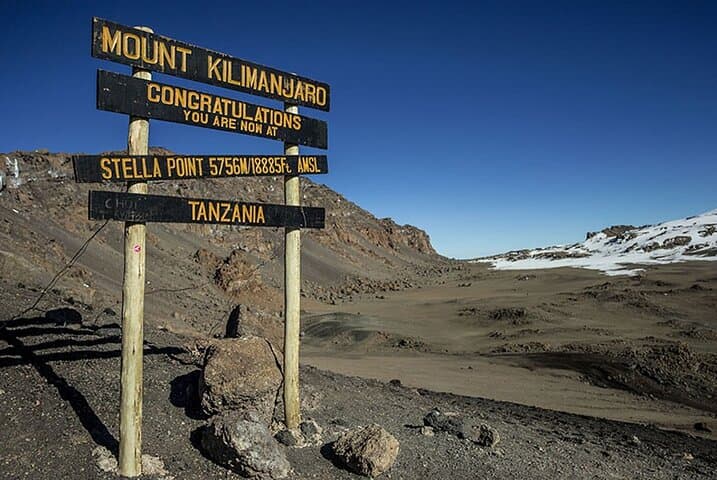
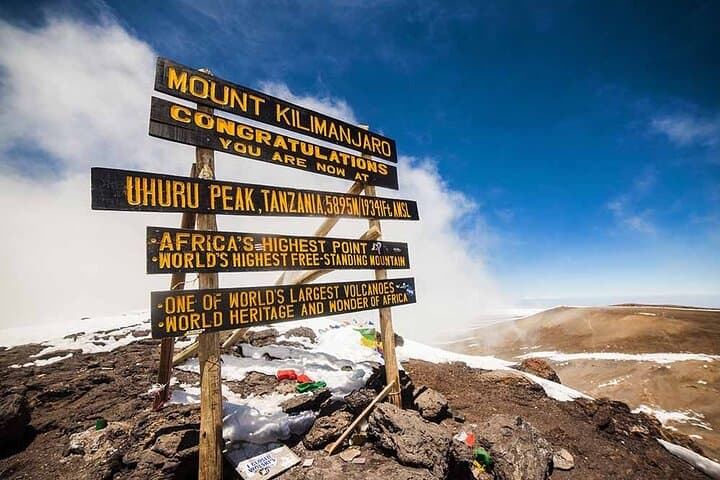


Dawn breaks beneath a canopy of moss and giant lobelia as your group steps away from Machame Gate and into Kilimanjaro’s layered world. The trail threads rainforest, heather moorland, alpine desert and finally, a wind-scoured summit crater. Each day the air thins and the landscape tightens around Kibo’s volcanic shoulders until the final, lamp-lit push toward Uhuru Peak.
Dawn breaks beneath a canopy of moss and giant lobelia as your group steps away from Machame Gate and into Kilimanjaro’s layered world. The trail threads rainforest, heather moorland, alpine desert and finally, a wind-scoured summit crater. Each day the air thins and the landscape tightens around Kibo’s volcanic shoulders until the final, lamp-lit push toward Uhuru Peak.
Geology and history are on the trail: Kilimanjaro is a dormant stratovolcano with three volcanic cones — Kibo, Mawenzi and Shira — and a summit at 5,895 m (19,341 ft). The Machame route (the “Whiskey Route”) loops west and offers classic acclimatization — trek high, sleep low — across the Shira Plateau, past Lava Tower, over the Barranco Wall and up through Barafu’s alpine desert. Culturally, the slopes fall within Chagga territory, where mountain agriculture and porter traditions remain central to local life.
Practical guidance: expect 6 days of 4–10 hour hiking days with total altitude gain to 5,895 m. Trail surfaces vary from slippery rainforest trails to scree and gravel near the summit; the Barranco Wall requires hands-on scrambling. Hydration, slow pacing and steady calorie intake are essential for acclimatization; altitude is the main objective hazard, not technical climbing. Night summit attempts start around midnight; headlamps and layers are mandatory. Use licensed guides, respect porter limits and pack out waste. Weather shifts fast — plan windproof outer layers and lightweight insulating layers. On descent, enjoy the cloud forest and book extra recovery time in Moshi after your return.