THE ADVENTURE COLLECTIVE® · Independent discovery and booking for outdoor travel

Six days of luxury safari through Lake Nakuru and Maasai Mara: flamingo shores, rhino sightings, and multi-day game drives for the Big Five. Read on for what to expect, when to go, and practical tips for packing and timing.
Six days of luxury safari through Lake Nakuru and Maasai Mara: flamingo shores, rhino sightings, and multi-day game drives for the Big Five. Read on for what to expect, when to go, and practical tips for packing and timing.
Dawn bleeds gold across the savanna as your safari vehicle slips over a dusty track toward a low stand of acacia trees. On day one you’ll be scanning the pink fringe of Lake Nakuru — flamingos edging the shallows while black-and-white rhinos feed in thicker bush — before the road climbs toward the broad plains of Maasai Mara where horizons seem to stretch forever.
Verified experiences and guided adventures in the surrounding area.
Operated by PONGEZI AFRICA SAFARIS · Narok, Narok County
Dawn bleeds gold across the savanna as your safari vehicle slips over a dusty track toward a low stand of acacia trees. On day one you’ll be scanning the pink fringe of Lake Nakuru — flamingos edging the shallows while black-and-white rhinos feed in thicker bush — before the road climbs toward the broad plains of Maasai Mara where horizons seem to stretch forever.
This route threads together Kenya’s Rift Valley geology and pastoral culture: volcanic ridges like Longonot rise from the grazing plains, and Maasai communities have moved cattle across these grasslands for centuries. Lake Nakuru grew from volcanic basins and supports alkaline waters that attract wading birds; Maasai Mara’s seasonal grasses feed wildebeest during the great migration that links it to Tanzania’s Serengeti.
On safari you’ll experience early-morning game drives, long-afternoon searches for big cats, riverwatching for hippo and crocodile, and nights at luxury camps that put you close to the action with guided drives and picnic lunches.
Practical notes: pack layered clothing for chilly mornings and hot afternoons, a good pair of binoculars, and a camera with a long lens. Expect bumpy roads and long drives between parks; the trip requires moderate fitness for climbing in and out of 4x4s and short game-walk options. Respect local Maasai customs and maintain distance from wildlife—professional guides manage safety and sightings. Travel between July and October for the best chance to see river crossings during the migration, and book transfers that include park fees and experienced guides for the most efficient use of your six days.
moderate.
6 days.
Suitable for travelers in average physical condition—able to enter/exit safari vehicles, tolerate long drives, and do short guided walks.
Typically park entry fees are included in the safari package—confirm on booking; this itinerary indicates meals and accommodations are included.
Guides bring vehicles to safe viewing distances; you should remain inside the vehicle unless a guide specifically permits brief, supervised exits.
Children can join, but check age policies and safety guidelines with the operator; infant seats and wheelchair-accessible options are noted as available.
Consult a travel clinic for malaria prophylaxis, routine vaccines, and yellow fever entry requirements; carry basic first-aid and any personal medications.
The Maasai people have grazed these plains for centuries; the reserve’s name, ‘Mara,’ means “spotted” for the patchwork appearance of trees and grass.
Both parks are active fronts for anti-poaching and rhino protection; sustainable tourism revenues support community conservation and habitat protection.
PONGEZI AFRICA SAFARIS operates guided outdoor trips and adventures with an emphasis on safety, stewardship, and memorable experiences.
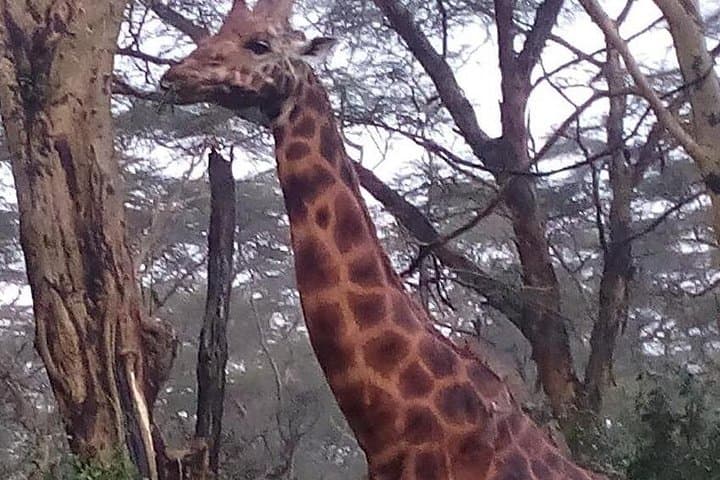
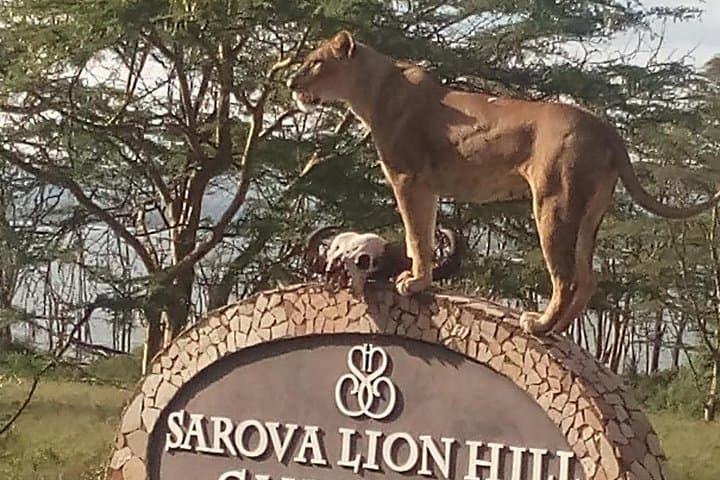
Dawn bleeds gold across the savanna as your safari vehicle slips over a dusty track toward a low stand of acacia trees. On day one you’ll be scanning the pink fringe of Lake Nakuru — flamingos edging the shallows while black-and-white rhinos feed in thicker bush — before the road climbs toward the broad plains of Maasai Mara where horizons seem to stretch forever.
Dawn bleeds gold across the savanna as your safari vehicle slips over a dusty track toward a low stand of acacia trees. On day one you’ll be scanning the pink fringe of Lake Nakuru — flamingos edging the shallows while black-and-white rhinos feed in thicker bush — before the road climbs toward the broad plains of Maasai Mara where horizons seem to stretch forever.
This route threads together Kenya’s Rift Valley geology and pastoral culture: volcanic ridges like Longonot rise from the grazing plains, and Maasai communities have moved cattle across these grasslands for centuries. Lake Nakuru grew from volcanic basins and supports alkaline waters that attract wading birds; Maasai Mara’s seasonal grasses feed wildebeest during the great migration that links it to Tanzania’s Serengeti.
On safari you’ll experience early-morning game drives, long-afternoon searches for big cats, riverwatching for hippo and crocodile, and nights at luxury camps that put you close to the action with guided drives and picnic lunches.
Practical notes: pack layered clothing for chilly mornings and hot afternoons, a good pair of binoculars, and a camera with a long lens. Expect bumpy roads and long drives between parks; the trip requires moderate fitness for climbing in and out of 4x4s and short game-walk options. Respect local Maasai customs and maintain distance from wildlife—professional guides manage safety and sightings. Travel between July and October for the best chance to see river crossings during the migration, and book transfers that include park fees and experienced guides for the most efficient use of your six days.