THE ADVENTURE COLLECTIVE® · Independent discovery and booking for outdoor travel

Spend six days tracking the great Serengeti migration with luxury tented camps, sunrise and dusk game drives, and a descent into the iconic Ngorongoro Crater. This safari focuses on Ndutu and Seronera to maximize sightings of wildebeest, zebra and their predators between November and April.
Spend six days tracking the great Serengeti migration with luxury tented camps, sunrise and dusk game drives, and a descent into the iconic Ngorongoro Crater. This safari focuses on Ndutu and Seronera to maximize sightings of wildebeest, zebra and their predators between November and April.
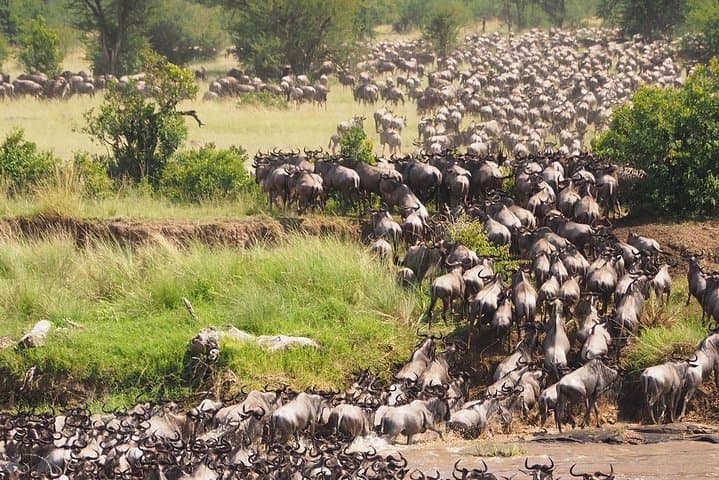
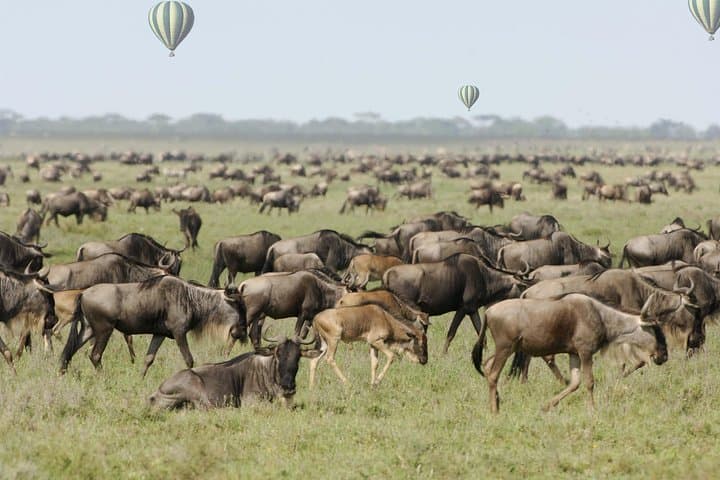
Dawn arrives over the Ndutu plains as if someone has lifted a curtain: pinprick stars fade, a chill lifts from the grass, and the Land Cruiser’s pop-up roof becomes a small observatory. You watch a slow, deliberate tide of wildebeest ghost across the horizon — thousands of hooves that have learned the calendar and the land better than any map. The vehicle idles; your guide checks the radio and points to a distant cluster of spots — lions waiting where the herd will thin. This is the rhythm of a migration safari: long hours punctuated by instant, unforgettable scenes.
Verified experiences and guided adventures in the surrounding area.
Operated by Yedi Explorers · Arusha, Arusha Region
Dawn arrives over the Ndutu plains as if someone has lifted a curtain: pinprick stars fade, a chill lifts from the grass, and the Land Cruiser’s pop-up roof becomes a small observatory. You watch a slow, deliberate tide of wildebeest ghost across the horizon — thousands of hooves that have learned the calendar and the land better than any map. The vehicle idles; your guide checks the radio and points to a distant cluster of spots — lions waiting where the herd will thin. This is the rhythm of a migration safari: long hours punctuated by instant, unforgettable scenes.
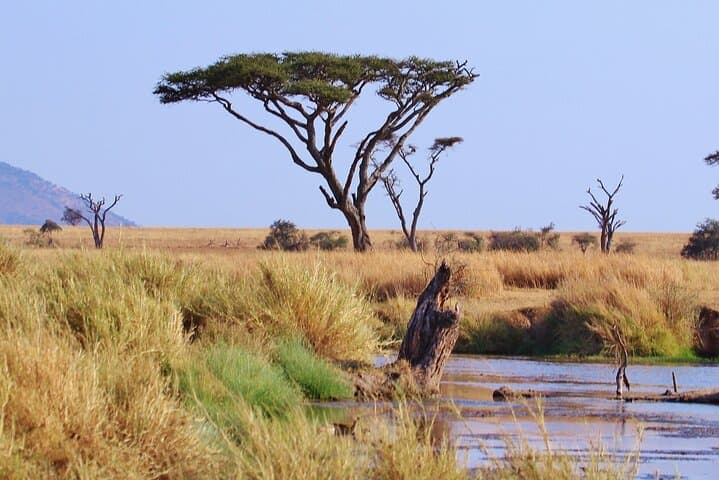
The itinerary threads through landscapes with geology as loud as the wildlife. Ngorongoro is not a crater in the casual sense but a collapsed volcano whose 600-meter descent opens into a self-contained ecosystem; its rim averages roughly 2,200–2,500 meters above sea level. The short-grass plains of Ndutu and the Seronera valley in the central Serengeti are products of the East African Rift and seasonal rains, creating the moving feast that drives the wildebeest migration from November through April — with a pulse of calving in February.
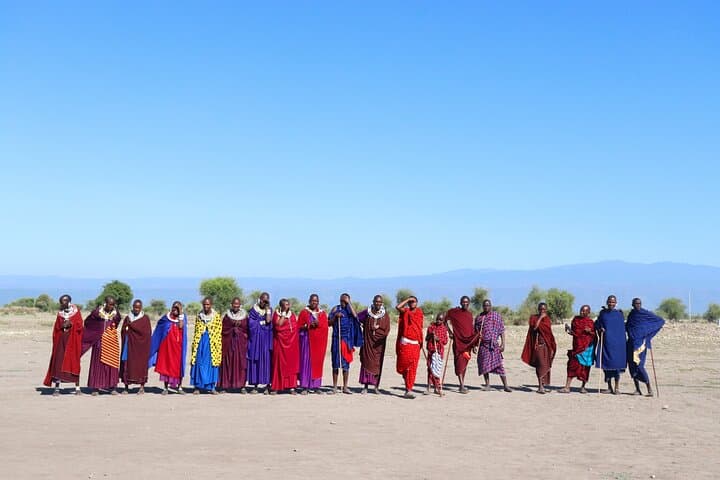
Cultural notes accompany the scenery. Maasai pastoralists still graze cattle on the park margins and hunt with memory rather than maps; Olduvai Gorge lies nearby, where fossils rewrote human history. Modern conservation here is a balance: park fees and guided safaris fund anti-poaching and community projects, but the migration’s corridors remain vulnerable to fences and land use change.
Practical guidance is simple and necessary. The tour uses an extended 4x4 Toyota Land Cruiser with a pop-up roof for viewing; expect long drives between camps and several early-morning and late-afternoon game drives when animals are most active. Ngorongoro involves a roughly 600m descent into the crater bowl for half- to full-day viewing. Lodging alternates between comfortable lodges and tented camps — book any small-plane flights early and keep checked-bag limits in mind for transfers from Seronera to Arusha.
Health and logistics: carry malaria prophylaxis, ensure routine vaccinations are up to date, and pack layers — high-elevation mornings can be frosty while mid-days become hot and dusty. Cash in small denominations is helpful for tips and village purchases; most lodges accept cards but remote areas may not.
For photographers, keep a 200–400mm lens ready for predators and a wide-angle for the plains. Hydrate, protect your skin, and listen to your guide — they’re tracking not just animals but the decisions of wind and water that direct the migration.
This six-day loop — Ngorongoro, Lake Ndutu, and the Seronera heart of the Serengeti — is designed to maximize contact with the migration during its southern months. It’s less about crossing items off a checklist and more about learning to read a living landscape that moves on its own timetable.
moderate.
6 days (full days in vehicle and game drives).
Suitable for travelers in average physical condition who can handle long vehicle rides, short walks at game-viewing stops, and uneven tent steps.
November through April is best for Ndutu and southern Serengeti, with peak calving in February; November–December and March–April offer large herds and active predators.
The trip alternates between lodges and luxury tented camps (as specified: Sopa Lodge, Lake Marsek tented camp, Tanzania Bush Camp), offering comfortable beds, hot meals, and private washrooms at most stops.
The itinerary references a scheduled flight from Seronera to Arusha; confirm whether that flight is included or recommended when booking and note luggage weight limits for charter flights.
Malaria prophylaxis is strongly recommended; ensure routine vaccinations are current and consult a travel clinic for region-specific advice before travel.
Children are allowed but policies vary by operator/camp; some lodges have minimum age rules—confirm at booking. Infants must sit on an adult’s lap during transfer vehicles per provider notes.
Tipping is customary—budget a daily tip for your guide and separate amounts for lodge staff; cash in small USD or local currency is preferred.
Ngorongoro is a collapsed volcanic caldera formed millions of years ago; the region also contains Olduvai Gorge, a key archaeological site tied to human origins.
Controlled tourism fees help fund anti-poaching and community programs, but migration corridors remain fragile—avoid off-track driving and support lodges that work with local communities.
Yedi Explorers operates guided outdoor trips and adventures with an emphasis on safety, stewardship, and memorable experiences.
Dawn arrives over the Ndutu plains as if someone has lifted a curtain: pinprick stars fade, a chill lifts from the grass, and the Land Cruiser’s pop-up roof becomes a small observatory. You watch a slow, deliberate tide of wildebeest ghost across the horizon — thousands of hooves that have learned the calendar and the land better than any map. The vehicle idles; your guide checks the radio and points to a distant cluster of spots — lions waiting where the herd will thin. This is the rhythm of a migration safari: long hours punctuated by instant, unforgettable scenes.
Dawn arrives over the Ndutu plains as if someone has lifted a curtain: pinprick stars fade, a chill lifts from the grass, and the Land Cruiser’s pop-up roof becomes a small observatory. You watch a slow, deliberate tide of wildebeest ghost across the horizon — thousands of hooves that have learned the calendar and the land better than any map. The vehicle idles; your guide checks the radio and points to a distant cluster of spots — lions waiting where the herd will thin. This is the rhythm of a migration safari: long hours punctuated by instant, unforgettable scenes.
The itinerary threads through landscapes with geology as loud as the wildlife. Ngorongoro is not a crater in the casual sense but a collapsed volcano whose 600-meter descent opens into a self-contained ecosystem; its rim averages roughly 2,200–2,500 meters above sea level. The short-grass plains of Ndutu and the Seronera valley in the central Serengeti are products of the East African Rift and seasonal rains, creating the moving feast that drives the wildebeest migration from November through April — with a pulse of calving in February.
Cultural notes accompany the scenery. Maasai pastoralists still graze cattle on the park margins and hunt with memory rather than maps; Olduvai Gorge lies nearby, where fossils rewrote human history. Modern conservation here is a balance: park fees and guided safaris fund anti-poaching and community projects, but the migration’s corridors remain vulnerable to fences and land use change.
Practical guidance is simple and necessary. The tour uses an extended 4x4 Toyota Land Cruiser with a pop-up roof for viewing; expect long drives between camps and several early-morning and late-afternoon game drives when animals are most active. Ngorongoro involves a roughly 600m descent into the crater bowl for half- to full-day viewing. Lodging alternates between comfortable lodges and tented camps — book any small-plane flights early and keep checked-bag limits in mind for transfers from Seronera to Arusha.
Health and logistics: carry malaria prophylaxis, ensure routine vaccinations are up to date, and pack layers — high-elevation mornings can be frosty while mid-days become hot and dusty. Cash in small denominations is helpful for tips and village purchases; most lodges accept cards but remote areas may not.
For photographers, keep a 200–400mm lens ready for predators and a wide-angle for the plains. Hydrate, protect your skin, and listen to your guide — they’re tracking not just animals but the decisions of wind and water that direct the migration.
This six-day loop — Ngorongoro, Lake Ndutu, and the Seronera heart of the Serengeti — is designed to maximize contact with the migration during its southern months. It’s less about crossing items off a checklist and more about learning to read a living landscape that moves on its own timetable.