THE ADVENTURE COLLECTIVE® · Independent discovery and booking for outdoor travel

A six-day private luxury lodge safari that visits Tarangire, the Serengeti, and Ngorongoro Crater—designed for focused game viewing and comfortable evenings in quality lodges. Read on for what to expect, seasonal timing, and practical packing advice.
A six-day private luxury lodge safari that visits Tarangire, the Serengeti, and Ngorongoro Crater—designed for focused game viewing and comfortable evenings in quality lodges. Read on for what to expect, seasonal timing, and practical packing advice.
The sun lifts off the horizon in bands of ochre and chrome; your jeep rolls forward and the pop-up roof opens like the page of a field guide. Early mist clings to acacia and silver-grey backs of grazing wildebeest, and the driver-guide scans the plain with practiced patience. Over six days you move through three of northern Tanzania’s most dramatic landscapes—Tarangire’s boabab-studded woodlands, the boundless Serengeti plains, and the steep rim of the Ngorongoro Crater—each with its own rhythm of wildlife.
Verified experiences and guided adventures in the surrounding area.
Operated by African polecat safaris · Arusha, Arusha Region
The sun lifts off the horizon in bands of ochre and chrome; your jeep rolls forward and the pop-up roof opens like the page of a field guide. Early mist clings to acacia and silver-grey backs of grazing wildebeest, and the driver-guide scans the plain with practiced patience. Over six days you move through three of northern Tanzania’s most dramatic landscapes—Tarangire’s boabab-studded woodlands, the boundless Serengeti plains, and the steep rim of the Ngorongoro Crater—each with its own rhythm of wildlife.
Geology here is direct: Ngorongoro is an ancient collapsed volcano whose steep walls trap resident herds, the Serengeti’s grasslands sit on volcanic sediments that feed a predator-prey cycle older than modern conservation, and Tarangire’s seasonal river shapes elephant movements. Maasai culture threads the region—many lodges and guides maintain relationships with local communities and you may pass traditional boma en route.
Practically, expect early morning and late-afternoon game drives when sightings are most active; travel between parks is by 4x4 on packed dirt and tarmac. Luxury lodges provide heated rooms, meals, and charging ports, while guides handle permits and park fees (usually included). Bring binoculars and a telephoto lens, sun protection, and layered clothing for crater rim temperatures that can drop around 2,200 m elevation. Vaccinations and malaria prophylaxis are recommended; carry copies of your passport for park entry. This itinerary centers on wildlife viewing—allow quiet time in the vehicle, follow your guide’s instructions around animals, and leave no trace: the best souvenir is a well-preserved wilderness.
easy.
6 days.
Suitable for travelers in average physical condition; most activity involves short walks and seated game drives.
Consult your healthcare provider before travel; routine vaccinations are advised and malaria prophylaxis is recommended for northern Tanzania.
The itinerary is private and can be adjusted for ages and mobility—short walks only; inform the operator of any health issues during booking.
Luxury lodges typically include en-suite rooms, hot meals, warm showers, and electricity/charging—specific amenities vary by property but are generally high-standard.
Guides focus on known hotspots in Tarangire, Serengeti, and Ngorongoro; while sightings can’t be guaranteed, the region offers one of the best chances to see lions, leopards, elephants, buffalo, and rhinos (Ngorongoro hosts resident black rhino).
The Ngorongoro highlands formed from volcanic activity in the Pliocene and today support pastoral Maasai communities who have grazed these slopes for generations.
Protected areas here are part of a larger landscape-scale conservation effort; visitors help by following park rules, supporting community-run tourism, and minimizing waste.
African polecat safaris operates guided outdoor trips and adventures with an emphasis on safety, stewardship, and memorable experiences.

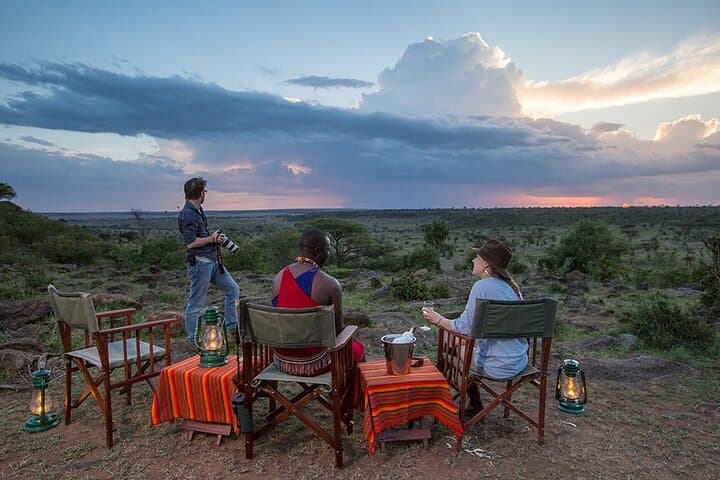
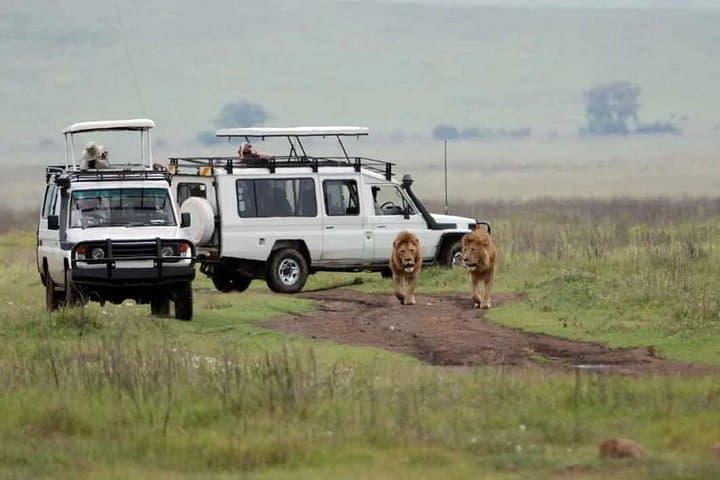

The sun lifts off the horizon in bands of ochre and chrome; your jeep rolls forward and the pop-up roof opens like the page of a field guide. Early mist clings to acacia and silver-grey backs of grazing wildebeest, and the driver-guide scans the plain with practiced patience. Over six days you move through three of northern Tanzania’s most dramatic landscapes—Tarangire’s boabab-studded woodlands, the boundless Serengeti plains, and the steep rim of the Ngorongoro Crater—each with its own rhythm of wildlife.
The sun lifts off the horizon in bands of ochre and chrome; your jeep rolls forward and the pop-up roof opens like the page of a field guide. Early mist clings to acacia and silver-grey backs of grazing wildebeest, and the driver-guide scans the plain with practiced patience. Over six days you move through three of northern Tanzania’s most dramatic landscapes—Tarangire’s boabab-studded woodlands, the boundless Serengeti plains, and the steep rim of the Ngorongoro Crater—each with its own rhythm of wildlife.
Geology here is direct: Ngorongoro is an ancient collapsed volcano whose steep walls trap resident herds, the Serengeti’s grasslands sit on volcanic sediments that feed a predator-prey cycle older than modern conservation, and Tarangire’s seasonal river shapes elephant movements. Maasai culture threads the region—many lodges and guides maintain relationships with local communities and you may pass traditional boma en route.
Practically, expect early morning and late-afternoon game drives when sightings are most active; travel between parks is by 4x4 on packed dirt and tarmac. Luxury lodges provide heated rooms, meals, and charging ports, while guides handle permits and park fees (usually included). Bring binoculars and a telephoto lens, sun protection, and layered clothing for crater rim temperatures that can drop around 2,200 m elevation. Vaccinations and malaria prophylaxis are recommended; carry copies of your passport for park entry. This itinerary centers on wildlife viewing—allow quiet time in the vehicle, follow your guide’s instructions around animals, and leave no trace: the best souvenir is a well-preserved wilderness.