THE ADVENTURE COLLECTIVE® · Independent discovery and booking for outdoor travel

Traverse Ethiopia’s highlands, river plains and historic walled city on a six-day cultural and wildlife tour. From Lalibela’s rock-cut churches to Omo Valley tribal markets and Harar’s hyena-fed evenings, this trip pairs close cultural encounters with wildlife viewing.
Traverse Ethiopia’s highlands, river plains and historic walled city on a six-day cultural and wildlife tour. From Lalibela’s rock-cut churches to Omo Valley tribal markets and Harar’s hyena-fed evenings, this trip pairs close cultural encounters with wildlife viewing.
You step off the early Addis flight and the highland air greets you—cool, thin, and dusted with incense from Lalibela’s stone churches. Rock faces here take on a human scale: carved sanctuaries cleave out of bedrock, stairways that lead nowhere until you reach a worship hall hewn from the living mountain. Downriver, the Omo pushes its brown current like a traveling market, daring you to meet the people who shape their lives on its floodplain.
Verified experiences and guided adventures in the surrounding area.
Operated by Ethio Travel And Tours · Lalibela, Amhara Region
You step off the early Addis flight and the highland air greets you—cool, thin, and dusted with incense from Lalibela’s stone churches. Rock faces here take on a human scale: carved sanctuaries cleave out of bedrock, stairways that lead nowhere until you reach a worship hall hewn from the living mountain. Downriver, the Omo pushes its brown current like a traveling market, daring you to meet the people who shape their lives on its floodplain.
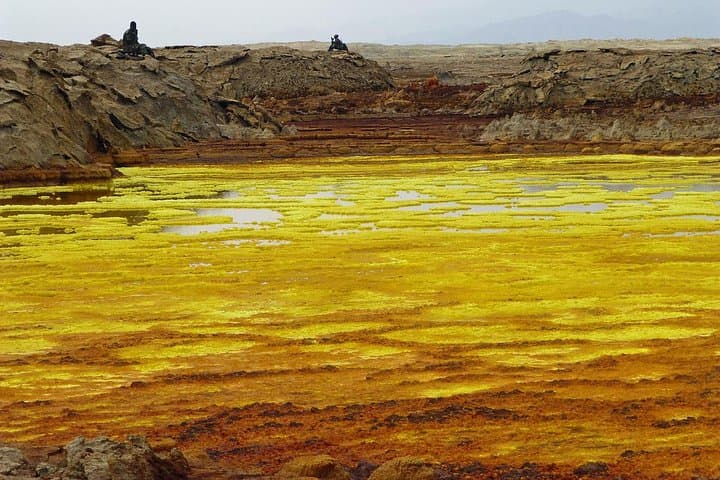
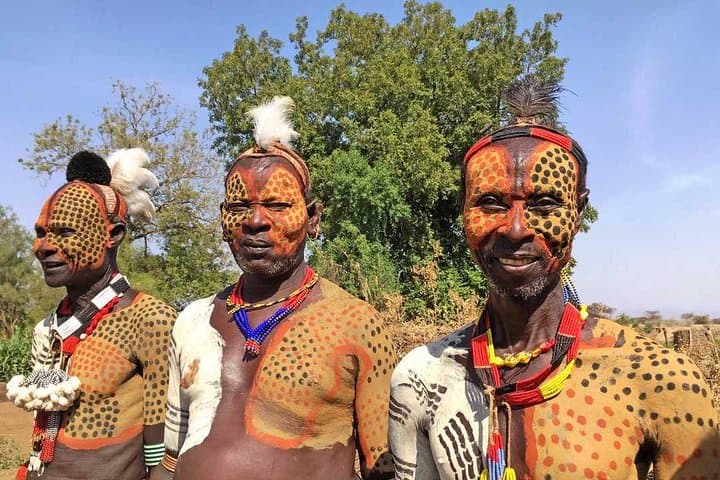
This six-day route threads three distinct parts of Ethiopia. Lalibela’s 12th-century monolithic churches reveal medieval Zagwe craftsmanship; the Omo Valley hosts living cultural practices among Mursi, Hamer and Dassench communities; Konso’s terraced fields are an engineered cultural landscape recognized by UNESCO. Geology shifts fast—igneous highlands around Lalibela give way to alluvial plains and the wide, slow Omo; Arba Minch’s lakes cradle hippos and crocodiles where water shapes livelihoods.
Expect close cultural contact: village visits, local markets, and the nightly spectacle outside Harar’s ancient walls when attendants feed the hyenas. Practicalities matter: internal flights and several long drives are built into the itinerary, some roads are unpaved, and remote clinics are sparse. Carry cash in small denominations, prepare for temperature swings between highland mornings and lowland afternoons, and prioritize respectful photography.
Plan for moderate activity each day—walking through villages and uneven church platforms—and bring layers, sun protection, and basic medicines. With thoughtful preparation you’ll move from carved stone to riverbank and walled city, seeing how geology, history and daily ritual shape this part of Ethiopia.
moderate.
6 days.
Suitable for travelers with moderate fitness who can handle several hours of walking on uneven surfaces and long vehicle transfers.
The itinerary includes domestic flights between key points (for example Addis–Lalibela and Arba Minch–Dire Dawa); confirm specifics on your booking voucher.
Infants and young children can travel but the tour involves long drives and uneven terrain; anyone with cardiovascular issues should consult a physician and the operator’s age/health guidelines.
Most travelers need an Ethiopian visa obtained in advance or on arrival depending on nationality; check current vaccine recommendations (yellow fever if applicable) and consider malaria prophylaxis for lowland sections.
Carry Ethiopian Birr for markets and small purchases; tipping guides, drivers and local hosts is customary—small, thoughtful amounts are appreciated.
Lalibela’s rock-hewn churches date to the 12th century under the Zagwe dynasty; Konso’s terraces represent centuries of engineered agrarian practice and are UNESCO-recognized.
Tourism touches remote communities and fragile wetlands; travel responsibly by using licensed guides, limiting single-use plastics and supporting community-run enterprises to ensure benefits reach locals.
Ethio Travel And Tours operates guided outdoor trips and adventures with an emphasis on safety, stewardship, and memorable experiences.


You step off the early Addis flight and the highland air greets you—cool, thin, and dusted with incense from Lalibela’s stone churches. Rock faces here take on a human scale: carved sanctuaries cleave out of bedrock, stairways that lead nowhere until you reach a worship hall hewn from the living mountain. Downriver, the Omo pushes its brown current like a traveling market, daring you to meet the people who shape their lives on its floodplain.
You step off the early Addis flight and the highland air greets you—cool, thin, and dusted with incense from Lalibela’s stone churches. Rock faces here take on a human scale: carved sanctuaries cleave out of bedrock, stairways that lead nowhere until you reach a worship hall hewn from the living mountain. Downriver, the Omo pushes its brown current like a traveling market, daring you to meet the people who shape their lives on its floodplain.
This six-day route threads three distinct parts of Ethiopia. Lalibela’s 12th-century monolithic churches reveal medieval Zagwe craftsmanship; the Omo Valley hosts living cultural practices among Mursi, Hamer and Dassench communities; Konso’s terraced fields are an engineered cultural landscape recognized by UNESCO. Geology shifts fast—igneous highlands around Lalibela give way to alluvial plains and the wide, slow Omo; Arba Minch’s lakes cradle hippos and crocodiles where water shapes livelihoods.
Expect close cultural contact: village visits, local markets, and the nightly spectacle outside Harar’s ancient walls when attendants feed the hyenas. Practicalities matter: internal flights and several long drives are built into the itinerary, some roads are unpaved, and remote clinics are sparse. Carry cash in small denominations, prepare for temperature swings between highland mornings and lowland afternoons, and prioritize respectful photography.
Plan for moderate activity each day—walking through villages and uneven church platforms—and bring layers, sun protection, and basic medicines. With thoughtful preparation you’ll move from carved stone to riverbank and walled city, seeing how geology, history and daily ritual shape this part of Ethiopia.