
6-Day Lake Manyara, Serengeti & Ngorongoro Safari: Crater Walls, Tree-Climbing Lions and Tarangire Elephants
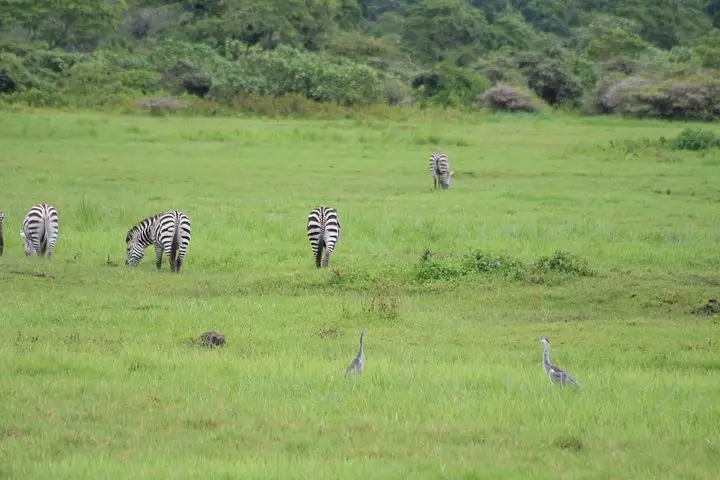
A compact six-day safari through Lake Manyara, the Seronera plains, Ngorongoro Crater and Tarangire — designed for sustained wildlife viewing with manageable drives and overnight camp or lodge stays. Expect tree-climbing lions, dense predator populations in the crater and large elephant herds in Tarangire.
An Adventure In Arusha.
A compact six-day safari through Lake Manyara, the Seronera plains, Ngorongoro Crater and Tarangire — designed for sustained wildlife viewing with manageable drives and overnight camp or lodge stays. Expect tree-climbing lions, dense predator populations in the crater and large elephant herds in Tarangire.
Read the full experience
The Land Rover eases off the dusty track and the Rift Valley drops away ahead — a shallow, soda-stained lake reflects a high escarpment while a scatter of acacias frames the scene. You arrive at Lake Manyara in the late afternoon, when flamingos lift and the park’s famous tree-climbing lions slip into the branches, curious and slow-moving like weathered sentries watching the plains.
The Land Rover eases off the dusty track and the Rift Valley drops away ahead — a shallow, soda-stained lake reflects a high escarpment while a scatter of acacias frames the scene. You arrive at Lake Manyara in the late afternoon, when flamingos lift and the park’s famous tree-climbing lions slip into the branches, curious and slow-moving like weathered sentries watching the plains.
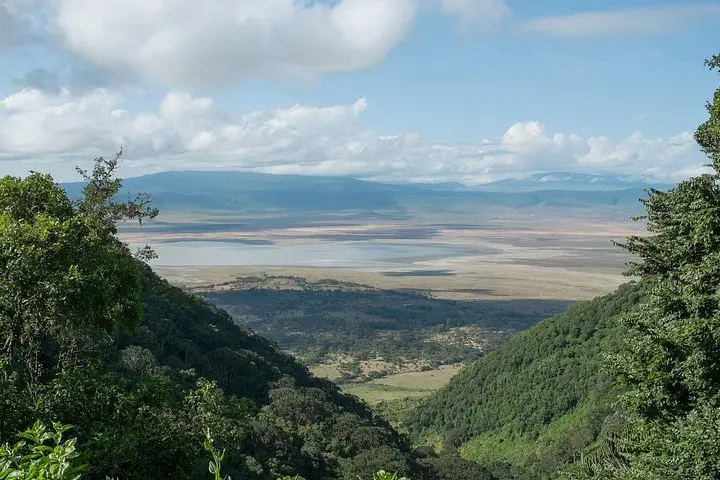
This six-day circuit threads three of Northern Tanzania’s headline reserves. Lake Manyara sits at the Rift Valley’s western edge and supports large flocks of birds and dense elephant groups around its lagoons. The Serengeti’s Seronera plains are broad, river-carved grasslands that concentrate predators and prey around year-round water. Ngorongoro Crater is a geological amphitheater—an intact volcanic caldera dropped over 600 meters, producing one of Africa’s richest wildlife bowls. Tarangire follows the river and baobab-studded woodlands, where elephant herds gather in seasonal concentrations. Along the route you’ll pass Olduvai Gorge, a paleontological landmark linked to early humans, and encounter Maasai villages whose pastoral rhythms still shape the landscape.
Practical guidance: expect long drives (day transfers range from ~2½ to 6 hours; distances 120–205 km). Game viewing is vehicle-based with short walks; roads are bumpy and dusty, so secure luggage and bring motion-friendly snacks. Pack binoculars, sun protection and layers for cool crater mornings, and carry a full water bottle plus malaria precautions. Early morning and late afternoon drives offer the best light and animal activity; follow park regulations to keep wildlife wild.
Frequently asked questions
The itinerary is vehicle-based and rated easy; minimal walking is required, but you should be able to board safari vehicles and walk short distances.
Confirm with your operator—this tour typically includes lodging and most meals as listed, but verify park entrance fees and any optional activities before booking.
June–October dry season concentrates animals around water and improves visibility; calving and migration windows (Sept–Oct and Dec–Mar depending on rains) offer different highlights.
Vaccinations and malaria prophylaxis are recommended based on current health guidance; consult a travel clinic well before departure.
About This Experience
Superb Tanzania Safaris operates guided outdoor trips and adventures with an emphasis on safety, stewardship, and memorable experiences.
Adventure tips
Recommended gear
- Binoculars (8x–10x): Key to picking out distant predators and birds across the plains.
- Telephoto camera lens (200mm+): Allows close-up wildlife shots without disturbing animals.
- Lightweight insulating layers: Cool crater mornings and warm afternoons require flexible clothing choices.
- Insect repellent & sunscreen: Protects against mosquitos and strong equatorial sun during daytime drives.
Photos of the experience
Related adventures & guides
Read the full experience
The Land Rover eases off the dusty track and the Rift Valley drops away ahead — a shallow, soda-stained lake reflects a high escarpment while a scatter of acacias frames the scene. You arrive at Lake Manyara in the late afternoon, when flamingos lift and the park’s famous tree-climbing lions slip into the branches, curious and slow-moving like weathered sentries watching the plains.
The Land Rover eases off the dusty track and the Rift Valley drops away ahead — a shallow, soda-stained lake reflects a high escarpment while a scatter of acacias frames the scene. You arrive at Lake Manyara in the late afternoon, when flamingos lift and the park’s famous tree-climbing lions slip into the branches, curious and slow-moving like weathered sentries watching the plains.
This six-day circuit threads three of Northern Tanzania’s headline reserves. Lake Manyara sits at the Rift Valley’s western edge and supports large flocks of birds and dense elephant groups around its lagoons. The Serengeti’s Seronera plains are broad, river-carved grasslands that concentrate predators and prey around year-round water. Ngorongoro Crater is a geological amphitheater—an intact volcanic caldera dropped over 600 meters, producing one of Africa’s richest wildlife bowls. Tarangire follows the river and baobab-studded woodlands, where elephant herds gather in seasonal concentrations. Along the route you’ll pass Olduvai Gorge, a paleontological landmark linked to early humans, and encounter Maasai villages whose pastoral rhythms still shape the landscape.
Practical guidance: expect long drives (day transfers range from ~2½ to 6 hours; distances 120–205 km). Game viewing is vehicle-based with short walks; roads are bumpy and dusty, so secure luggage and bring motion-friendly snacks. Pack binoculars, sun protection and layers for cool crater mornings, and carry a full water bottle plus malaria precautions. Early morning and late afternoon drives offer the best light and animal activity; follow park regulations to keep wildlife wild.
Make a day of it nearby.
Verified experiences and guided adventures in the surrounding area.