THE ADVENTURE COLLECTIVE® · Independent discovery and booking for outdoor travel

Follow the quieter Rongai Route to Kilimanjaro’s summit, starting on the north slopes and descending Marangu’s southern face. This six-day itinerary emphasizes steady gains, acclimatization and high summit success.
Follow the quieter Rongai Route to Kilimanjaro’s summit, starting on the north slopes and descending Marangu’s southern face. This six-day itinerary emphasizes steady gains, acclimatization and high summit success.
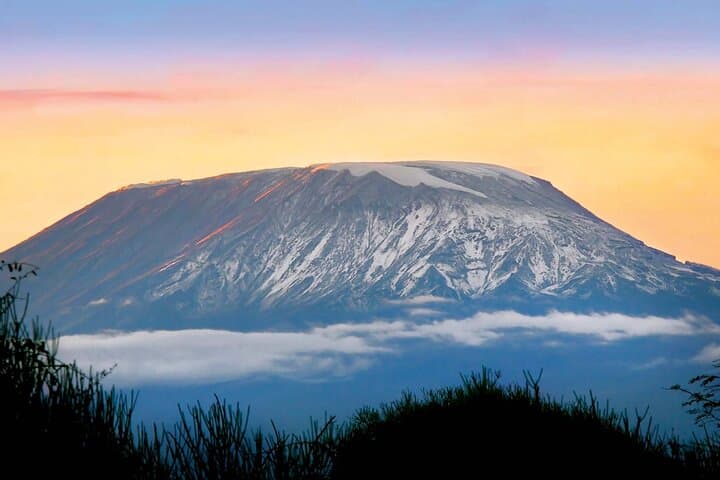
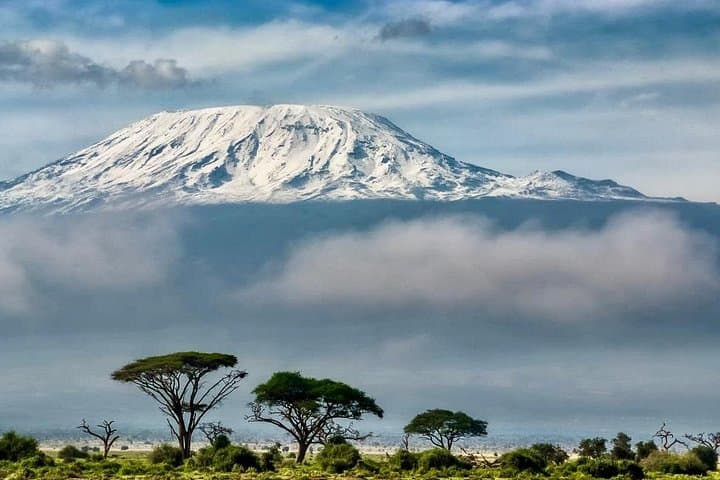
You step off the jeep where the air smells of wet earth and coffee plants, the north face of Kilimanjaro rising like an old, patient giant above the high plains. The Rongai Route begins on quiet tracks near the Kenyan border; your first steps move through maize fields, then into a caramel-dark montane forest where the path hums with insect and bird song.
Verified experiences and guided adventures in the surrounding area.
Operated by Spirit of Kilimanjaro · Moshi, Kilimanjaro Region
You step off the jeep where the air smells of wet earth and coffee plants, the north face of Kilimanjaro rising like an old, patient giant above the high plains. The Rongai Route begins on quiet tracks near the Kenyan border; your first steps move through maize fields, then into a caramel-dark montane forest where the path hums with insect and bird song.
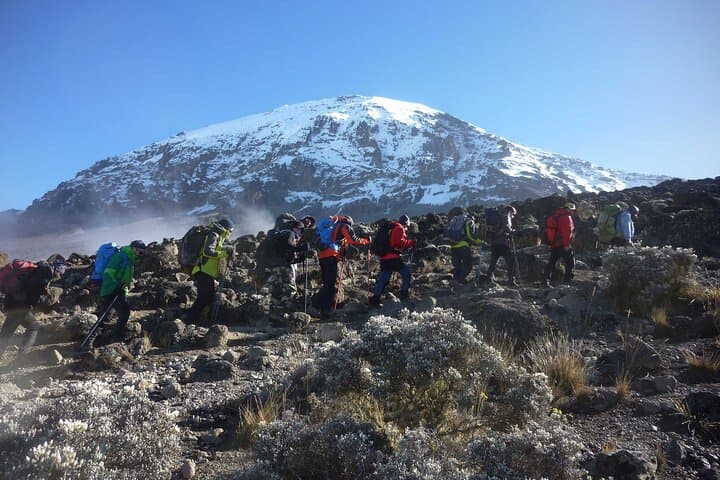
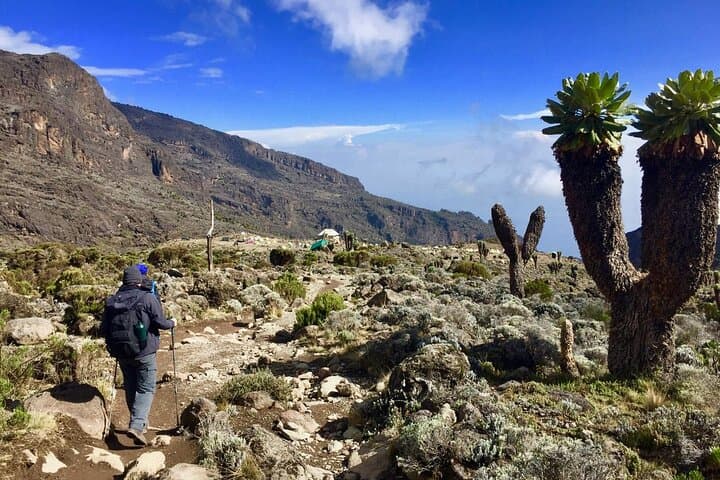
This corridor to Africa’s roof threads varied geology and cultures: ancient volcanic flows built Kilimanjaro’s three cones, while Chagga villages below have farmed its slopes for generations. The Rongai approach is less traveled than Marangu or Machame, giving long, steady ascents through moorland and alpine desert before you reach the Kibo crater wall. On the summit push you negotiate loose scree and possible snow, with the eastern ice fields catching early light.
Expect long but manageable hiking days—6 days on this itinerary—with camps at Simba, Second Cave, Third Cave, Kibo Hut and Horombo. Altitude is the main challenge; acclimatization is built into the schedule but listen to guides and monitor symptoms. Pack layered clothing, sturdy waterproof boots, trekking poles and a reliable headlamp for the midnight summit start. Hydrate proactively and keep snacks accessible; nights on the mountain are cold and winds can push hard near the crater rim.
Practical: permits and park fees are required, the road-in from Moshi is about 2–3 hours, and descent follows Marangu, so you’ll see the mountain from multiple aspects. For a first high-altitude summit, the Rongai route balances solitude, steady profiles and strong summit success when paced and supported correctly.
challenging.
6 days.
Good aerobic fitness with experience hiking multiple days; ability to carry a daypack and move steadily 3–8 hours/day.
Rongai is considered one of the easier approaches because it offers gradual, steady ascents and lower traffic, but altitude and summit conditions still make it a challenging climb.
No technical climbing skills are required, but prior multi-day hiking experience and good cardiovascular fitness improve comfort and summit chances.
Camping with tents at designated campsites; meals are provided (breakfast, lunch, dinner) and typically include porridge, rice, vegetables, and protein—guides accommodate dietary needs with advance notice.
No—summit success depends on acclimatization, health, weather and guide judgment; the route’s structure improves success rates but safety is prioritized.
Kilimanjaro formed from successive volcanic activity; local Chagga communities have inhabited its slopes for centuries and adapted farming to volcanic soils.
Mount Kilimanjaro is a protected national park—stay on trails, pack out waste, and use established campsites to minimize erosion and habitat disturbance.
Spirit of Kilimanjaro operates guided outdoor trips and adventures with an emphasis on safety, stewardship, and memorable experiences.
You step off the jeep where the air smells of wet earth and coffee plants, the north face of Kilimanjaro rising like an old, patient giant above the high plains. The Rongai Route begins on quiet tracks near the Kenyan border; your first steps move through maize fields, then into a caramel-dark montane forest where the path hums with insect and bird song.
You step off the jeep where the air smells of wet earth and coffee plants, the north face of Kilimanjaro rising like an old, patient giant above the high plains. The Rongai Route begins on quiet tracks near the Kenyan border; your first steps move through maize fields, then into a caramel-dark montane forest where the path hums with insect and bird song.
This corridor to Africa’s roof threads varied geology and cultures: ancient volcanic flows built Kilimanjaro’s three cones, while Chagga villages below have farmed its slopes for generations. The Rongai approach is less traveled than Marangu or Machame, giving long, steady ascents through moorland and alpine desert before you reach the Kibo crater wall. On the summit push you negotiate loose scree and possible snow, with the eastern ice fields catching early light.
Expect long but manageable hiking days—6 days on this itinerary—with camps at Simba, Second Cave, Third Cave, Kibo Hut and Horombo. Altitude is the main challenge; acclimatization is built into the schedule but listen to guides and monitor symptoms. Pack layered clothing, sturdy waterproof boots, trekking poles and a reliable headlamp for the midnight summit start. Hydrate proactively and keep snacks accessible; nights on the mountain are cold and winds can push hard near the crater rim.
Practical: permits and park fees are required, the road-in from Moshi is about 2–3 hours, and descent follows Marangu, so you’ll see the mountain from multiple aspects. For a first high-altitude summit, the Rongai route balances solitude, steady profiles and strong summit success when paced and supported correctly.