THE ADVENTURE COLLECTIVE® · Independent discovery and booking for outdoor travel

A six-day ascent on the Machame (Whiskey) Route is scenic, methodical, and designed for acclimatization. This guide walks through what to expect each day, the geology and culture you'll pass, and practical tips to improve your summit chances.
A six-day ascent on the Machame (Whiskey) Route is scenic, methodical, and designed for acclimatization. This guide walks through what to expect each day, the geology and culture you'll pass, and practical tips to improve your summit chances.
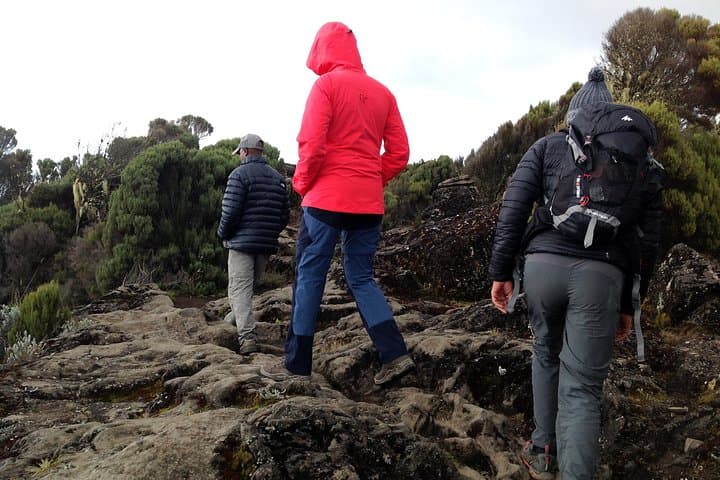
You step out of the jeep into a clean, thin air—Machame Gate sits at roughly 1,800 meters, where a wall of montane forest leans over the trail like a waiting crowd. The path immediately begins its work: switchbacks through moss and giant lobelia, the forest floor a damp mosaic of ferns and pink busy lizzie. Above the trees, the mountain opens into heather and volcanic rock; Kibo’s glacier keeps a silent watch as the trail threads its way higher.
Verified experiences and guided adventures in the surrounding area.
Operated by Three Peaks Tanzania Safari ltd · Moshi, Kilimanjaro Region
You step out of the jeep into a clean, thin air—Machame Gate sits at roughly 1,800 meters, where a wall of montane forest leans over the trail like a waiting crowd. The path immediately begins its work: switchbacks through moss and giant lobelia, the forest floor a damp mosaic of ferns and pink busy lizzie. Above the trees, the mountain opens into heather and volcanic rock; Kibo’s glacier keeps a silent watch as the trail threads its way higher.
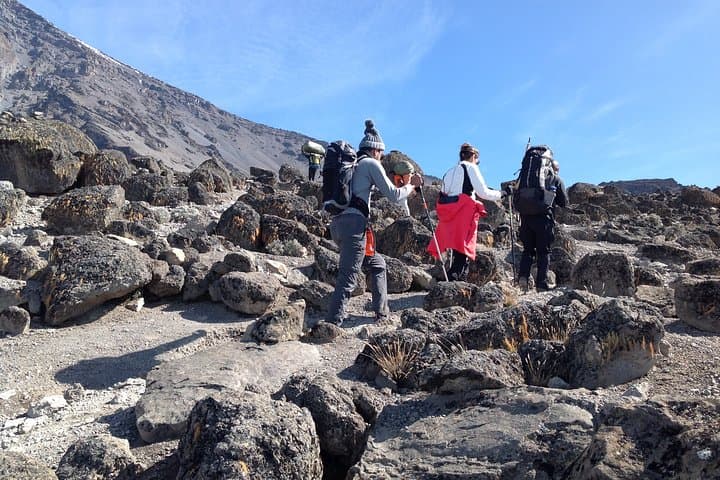
This six-day Machame itinerary—often called the Whiskey Route—is built around acclimatization. You move up and down deliberately, sleeping lower after higher day hikes so your bloodstream learns the altitude’s language. The route reads like Kilimanjaro’s geological diary: ancient lava flows on the Shira plateau give way to the barren high desert around Kibo and then the raw knife-edge of the Western Breach. Culturally, the climb passes through Chagga farmland on Kilimanjaro’s lower slopes; porters and guides are frequently from nearby Moshi and bring not just kit but local stories and weather wisdom.
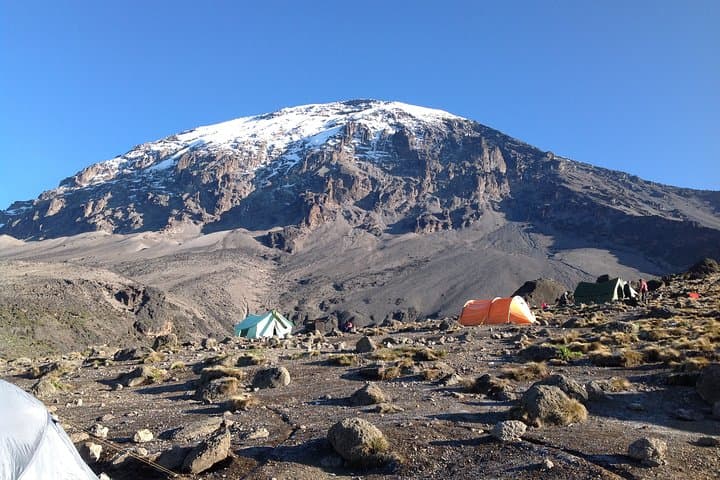
Days are paced to conserve energy—Machame Hut at about 3,000 m, Shira Camp near 3,840 m, Barranco around 3,950 m, then Barafu at 4,600 m before the midnight push for the summit at 5,895 m. Expect long daylight hikes of up to seven hours on some days and a summit day that begins around midnight and can stretch 12–16 hours round-trip from Barafu to Uhuru Peak and down to Mweka.
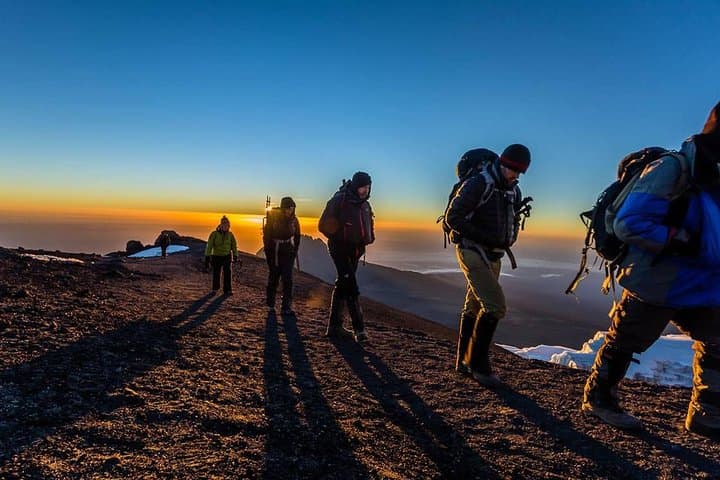
The Machame route is non-technical but demanding: the hardest factors are sustained elevation gain, cold at night, and the thin air on summit night. Hydration and slow, steady pacing matter more than speed. Bring a layering system for sub-zero summit temps, a reliable headlamp for the ascent, and trekking poles to protect knees on the long descent.
Practicalities: most operators include park fees, rescue, guides, and full-board camping; you’ll want two nights’ hotel before or after in Moshi for transfers and rest. Plan for weather swings—afternoons can be clear and bright, nights bitterly cold. If you have flexibility, add an extra acclimatization day at Shira or Karanga to increase summit odds.
What you’ll carry is simple but specific: warm sleeping bag, insulated layers, sun protection, and contingency cash for tips and small purchases in villages. The mountain asks for patience more than heroics; move deliberately, listen to your guides, and you’ll find that Kilimanjaro rewards those who respect its pace.
challenging.
6 days.
Good cardiovascular fitness with experience on multi-day hikes and the ability to walk 6–8 hours on uneven terrain.
No technical climbing skills are required, but you should have experience with multi-day hiking and be in good aerobic shape.
Machame generally has higher success than steeper routes due to better acclimatization; success varies with fitness, weather, and route pacing.
Temperatures can drop to −10°C to −20°C at the summit—wind chill can make it feel colder, so layer strategically.
Most operators include park fees and rescue fees; confirm details and what extras (tips, hotel nights) are not bundled.
Expect a guide, assistant guides, cooks, and porters; ratio varies but Tanzanian regulations require adequate support for safety and logistics.
Carry a valid passport and any required visas; check CDC guidance for routine vaccinations and yellow fever requirements depending on travel origin.
Kilimanjaro is a dormant volcano made of three cones—Kibo, Mawenzi, and Shira—with human presence on its slopes tied to Chagga agriculture and trade for centuries.
The mountain is protected as Kilimanjaro National Park; stick to designated campsites and avoid single-use plastics to limit human impact.
Three Peaks Tanzania Safari ltd operates guided outdoor trips and adventures with an emphasis on safety, stewardship, and memorable experiences.
You step out of the jeep into a clean, thin air—Machame Gate sits at roughly 1,800 meters, where a wall of montane forest leans over the trail like a waiting crowd. The path immediately begins its work: switchbacks through moss and giant lobelia, the forest floor a damp mosaic of ferns and pink busy lizzie. Above the trees, the mountain opens into heather and volcanic rock; Kibo’s glacier keeps a silent watch as the trail threads its way higher.
You step out of the jeep into a clean, thin air—Machame Gate sits at roughly 1,800 meters, where a wall of montane forest leans over the trail like a waiting crowd. The path immediately begins its work: switchbacks through moss and giant lobelia, the forest floor a damp mosaic of ferns and pink busy lizzie. Above the trees, the mountain opens into heather and volcanic rock; Kibo’s glacier keeps a silent watch as the trail threads its way higher.
This six-day Machame itinerary—often called the Whiskey Route—is built around acclimatization. You move up and down deliberately, sleeping lower after higher day hikes so your bloodstream learns the altitude’s language. The route reads like Kilimanjaro’s geological diary: ancient lava flows on the Shira plateau give way to the barren high desert around Kibo and then the raw knife-edge of the Western Breach. Culturally, the climb passes through Chagga farmland on Kilimanjaro’s lower slopes; porters and guides are frequently from nearby Moshi and bring not just kit but local stories and weather wisdom.
Days are paced to conserve energy—Machame Hut at about 3,000 m, Shira Camp near 3,840 m, Barranco around 3,950 m, then Barafu at 4,600 m before the midnight push for the summit at 5,895 m. Expect long daylight hikes of up to seven hours on some days and a summit day that begins around midnight and can stretch 12–16 hours round-trip from Barafu to Uhuru Peak and down to Mweka.
The Machame route is non-technical but demanding: the hardest factors are sustained elevation gain, cold at night, and the thin air on summit night. Hydration and slow, steady pacing matter more than speed. Bring a layering system for sub-zero summit temps, a reliable headlamp for the ascent, and trekking poles to protect knees on the long descent.
Practicalities: most operators include park fees, rescue, guides, and full-board camping; you’ll want two nights’ hotel before or after in Moshi for transfers and rest. Plan for weather swings—afternoons can be clear and bright, nights bitterly cold. If you have flexibility, add an extra acclimatization day at Shira or Karanga to increase summit odds.
What you’ll carry is simple but specific: warm sleeping bag, insulated layers, sun protection, and contingency cash for tips and small purchases in villages. The mountain asks for patience more than heroics; move deliberately, listen to your guides, and you’ll find that Kilimanjaro rewards those who respect its pace.