THE ADVENTURE COLLECTIVE® · Independent discovery and booking for outdoor travel

The six-day Machame ascent condenses Kilimanjaro’s changing ecosystems into an intense, acclimatization-focused climb. This guide explains the route, what to expect each day and the practical gear and fitness tips that make reaching Uhuru Peak realistic—if demanding.
The six-day Machame ascent condenses Kilimanjaro’s changing ecosystems into an intense, acclimatization-focused climb. This guide explains the route, what to expect each day and the practical gear and fitness tips that make reaching Uhuru Peak realistic—if demanding.
Nightfall over Moshi is the kind that silver-lines the distant slopes of Kilimanjaro—town lights below, a high ridge of cloud above, and the mountain itself sitting like a slow-moving clock. On day one the trail pulls climbers from banana groves into a wet, loud rainforest; by day five it reduces them to a small procession of headlamps inching up a scree slope toward a dawn that will rewrite what they believed about their limits.
Verified experiences and guided adventures in the surrounding area.
Operated by Kiliserengoro Climbing Tour Operator · Moshi, Kilimanjaro
Nightfall over Moshi is the kind that silver-lines the distant slopes of Kilimanjaro—town lights below, a high ridge of cloud above, and the mountain itself sitting like a slow-moving clock. On day one the trail pulls climbers from banana groves into a wet, loud rainforest; by day five it reduces them to a small procession of headlamps inching up a scree slope toward a dawn that will rewrite what they believed about their limits.
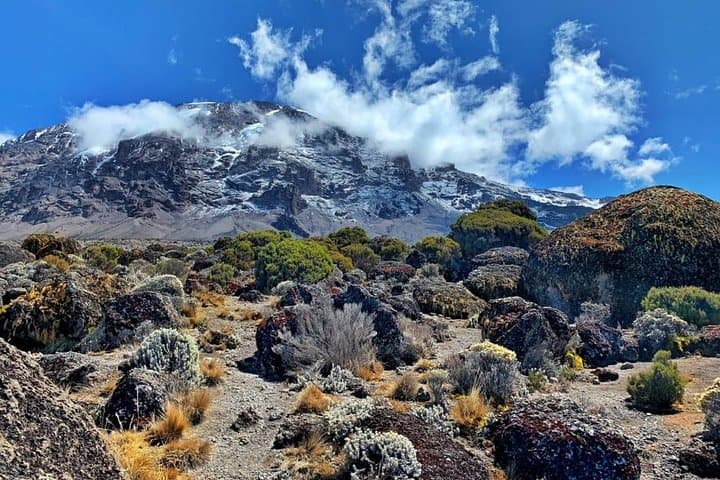
The Machame Route is popular for a reason: it trades a longer approach for a superior acclimatization profile, taking climbers up hard on day three to prime the body for the summit push. Geologically, Kilimanjaro is a dormant stratovolcano made of three cones—Kibo (the highest), Mawenzi and Shira—and the Machame corridor gives repeated, evolving perspectives on those raw forms: first the green of rainforest, then heather and moorland, then an alpine desert where wind and volcanic scree dominate.
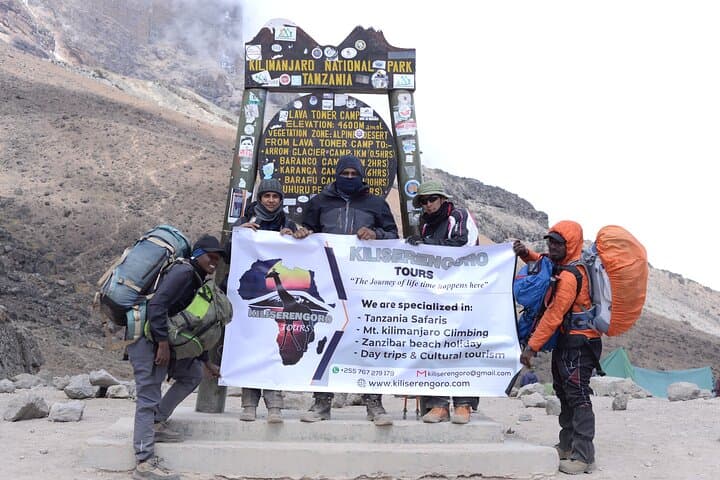
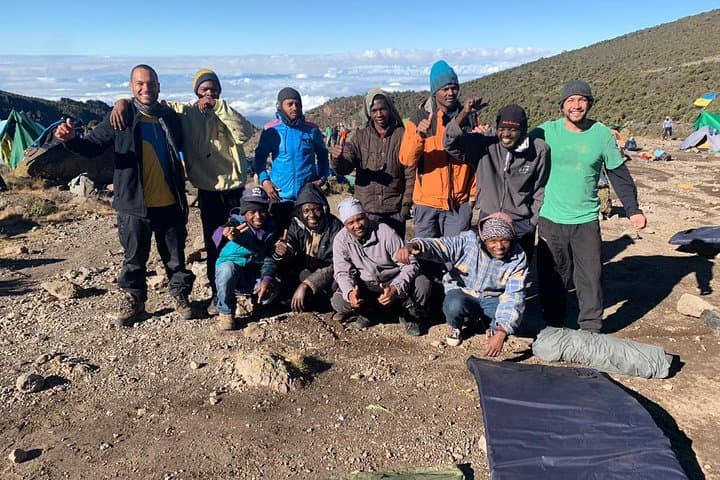
Culturally, the climb moves through Chagga farmland and small hamlets on the lower slopes; porters, cooks and guides—often drawn from local communities—are the human backbone of every summit attempt. Respectful interaction, fair tipping and minimizing waste directly support the region's economy and the families who depend on mountain seasons.
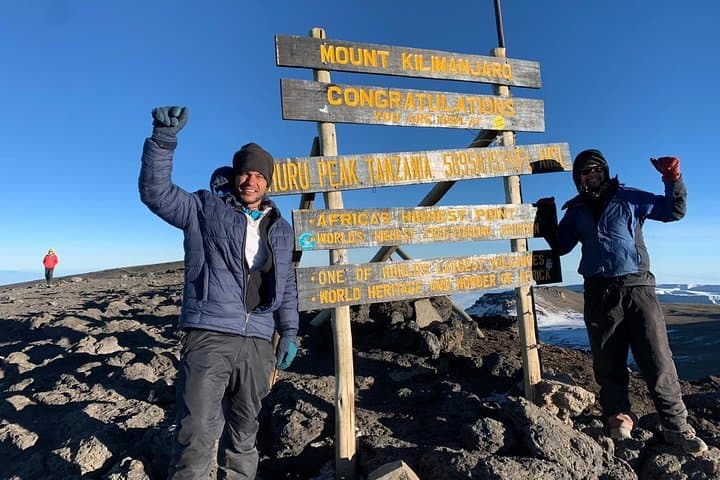
Practically: this is a difficult, high-altitude trek best attempted with prior endurance training. Expect total walking time across six days to average 7–9 hours per active day, with elevation ranging from roughly 1,600 m (Moshi) to 5,895 m (Uhuru Peak). Key waypoints: Machame Camp (1), Shira Camp (2), Lava Tower/Barranco (3), Barafu (4) and the summit & descent via Mweka (5). Day 4 (Barranco to Barafu) and the summit day are the toughest—day 4 is an 8–10 hour push, day 5 begins around midnight with 6–8 hours up and 4–6 hours down.
Acclimatization is the silent variable that determines success; the Machame schedule deliberately gains then drops elevation to help the body adapt. Hydrate proactively, eat small meals frequently, and communicate any altitude symptoms to your guide. Gear-wise, solid B2/C-rated boots, layered insulation, gaiters and poles matter more than ultralight fashion.
Logistics: departures are usually from Moshi with hotel pick-up; expect shared tents, cooked meals supplied, and porters carrying most kit. Permits and park fees are required and included with reputable operators.
For experienced hikers who want a steep, varied and brutally honest mountain experience, the 6-day Machame is a concentrated route to the roof of Africa. It asks a lot—time, grit and respect for a fragile alpine ecosystem—but delivers a summit sunrise that few landscapes can match.
difficult.
6 days.
Requires strong aerobic fitness and prior multi-day hiking experience; train with long uphill hikes and back-to-back long days.
No technical rock or ice-climbing skills are required on the standard Machame route, but high-altitude trekking experience and excellent fitness are necessary.
Altitude sickness, severe weather on summit night, and falls on scree are the primary risks; reputable guides and honest pacing mitigate most hazards.
Expect 4–10 hours of hiking on active days, with the summit day often requiring 10–14 hours including ascent and descent.
Most reputable operators include guides, porters and cooks; confirm in writing what’s included before booking and verify tipping expectations.
June–September and December–February are the most reliable windows for stable weather and clearer summit views.
A valid passport and travel insurance covering high-altitude trekking and helicopter evacuation are strongly recommended.
Kilimanjaro’s cones formed from successive volcanic activity; local Chagga communities have farmed the lower slopes for centuries and historically guided early European explorers.
Park authorities regulate permits and camping to limit erosion and waste; choose operators who follow leave-no-trace practices and pay porters fair wages.
Kiliserengoro Climbing Tour Operator operates guided outdoor trips and adventures with an emphasis on safety, stewardship, and memorable experiences.
Nightfall over Moshi is the kind that silver-lines the distant slopes of Kilimanjaro—town lights below, a high ridge of cloud above, and the mountain itself sitting like a slow-moving clock. On day one the trail pulls climbers from banana groves into a wet, loud rainforest; by day five it reduces them to a small procession of headlamps inching up a scree slope toward a dawn that will rewrite what they believed about their limits.
Nightfall over Moshi is the kind that silver-lines the distant slopes of Kilimanjaro—town lights below, a high ridge of cloud above, and the mountain itself sitting like a slow-moving clock. On day one the trail pulls climbers from banana groves into a wet, loud rainforest; by day five it reduces them to a small procession of headlamps inching up a scree slope toward a dawn that will rewrite what they believed about their limits.
The Machame Route is popular for a reason: it trades a longer approach for a superior acclimatization profile, taking climbers up hard on day three to prime the body for the summit push. Geologically, Kilimanjaro is a dormant stratovolcano made of three cones—Kibo (the highest), Mawenzi and Shira—and the Machame corridor gives repeated, evolving perspectives on those raw forms: first the green of rainforest, then heather and moorland, then an alpine desert where wind and volcanic scree dominate.
Culturally, the climb moves through Chagga farmland and small hamlets on the lower slopes; porters, cooks and guides—often drawn from local communities—are the human backbone of every summit attempt. Respectful interaction, fair tipping and minimizing waste directly support the region's economy and the families who depend on mountain seasons.
Practically: this is a difficult, high-altitude trek best attempted with prior endurance training. Expect total walking time across six days to average 7–9 hours per active day, with elevation ranging from roughly 1,600 m (Moshi) to 5,895 m (Uhuru Peak). Key waypoints: Machame Camp (1), Shira Camp (2), Lava Tower/Barranco (3), Barafu (4) and the summit & descent via Mweka (5). Day 4 (Barranco to Barafu) and the summit day are the toughest—day 4 is an 8–10 hour push, day 5 begins around midnight with 6–8 hours up and 4–6 hours down.
Acclimatization is the silent variable that determines success; the Machame schedule deliberately gains then drops elevation to help the body adapt. Hydrate proactively, eat small meals frequently, and communicate any altitude symptoms to your guide. Gear-wise, solid B2/C-rated boots, layered insulation, gaiters and poles matter more than ultralight fashion.
Logistics: departures are usually from Moshi with hotel pick-up; expect shared tents, cooked meals supplied, and porters carrying most kit. Permits and park fees are required and included with reputable operators.
For experienced hikers who want a steep, varied and brutally honest mountain experience, the 6-day Machame is a concentrated route to the roof of Africa. It asks a lot—time, grit and respect for a fragile alpine ecosystem—but delivers a summit sunrise that few landscapes can match.