THE ADVENTURE COLLECTIVE® · Independent discovery and booking for outdoor travel

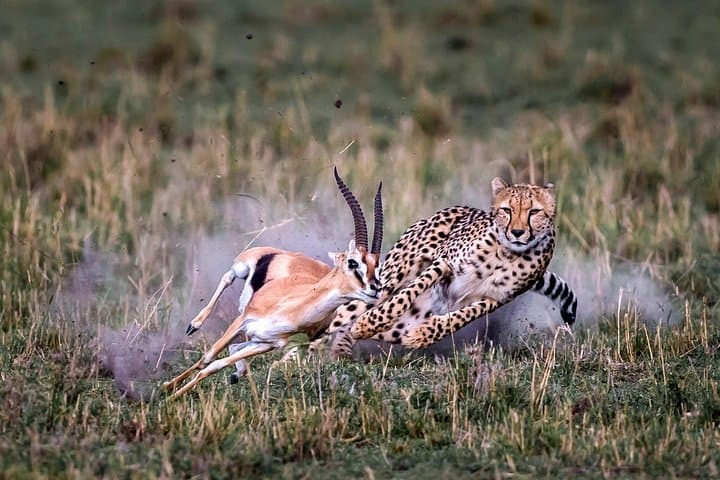
A six-day camping safari that moves from Amboseli’s elephant plains to Lake Nakuru’s pink shores and into the Masai Mara’s river-cut grasslands. Expect daily game drives, mixed tent and guest-house lodging, and chance encounters with big cats, herds, and flamingo flocks.
A six-day camping safari that moves from Amboseli’s elephant plains to Lake Nakuru’s pink shores and into the Masai Mara’s river-cut grasslands. Expect daily game drives, mixed tent and guest-house lodging, and chance encounters with big cats, herds, and flamingo flocks.
You step from Nairobi’s early light into a land where the horizon stretches flat and motion arrives in herds—the trucks roll, tents rise, and the scent of dry grass moves like a promise.
Verified experiences and guided adventures in the surrounding area.
Operated by Gracepatt Safaris · Nairobi, Nairobi County
You step from Nairobi’s early light into a land where the horizon stretches flat and motion arrives in herds—the trucks roll, tents rise, and the scent of dry grass moves like a promise.
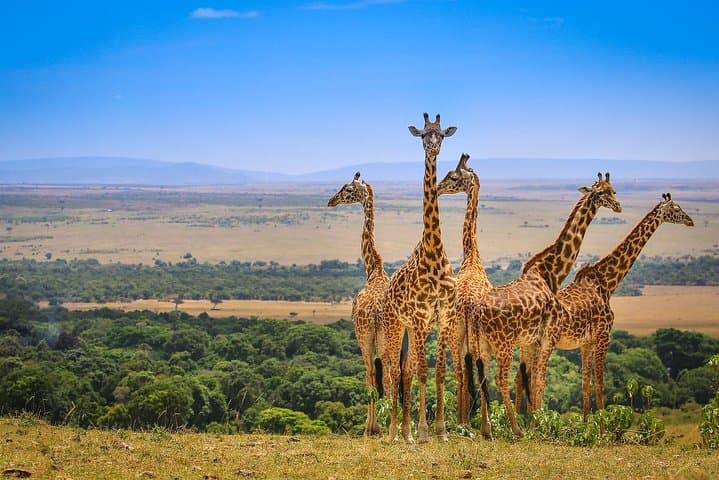
Over six days the route threads between three very different ecosystems: Amboseli’s broad plains under Mount Kilimanjaro’s watch, the alkaline pink edge of Lake Nakuru, and the patchwork grasslands and river cuts of the Masai Mara. Each park reads its geology aloud—volcanic shoulders and Rift Valley basins carve the skyline while soda lakes concentrate the life that feeds the shorebirds.
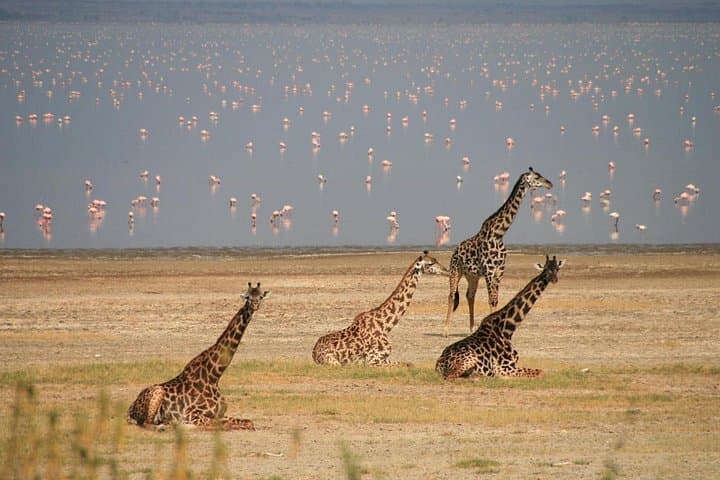
History here is human and natural. The Maasai people have grazed and guided across these lands for generations; colonial-era park boundaries and later conservation measures created the protected corridors visitors traverse today. Game drives are the core rhythm: dawn and late afternoon light reveals elephants moving slow and deliberate, lions slipping through tall grass, and at Nakuru, flamingo flocks painting the shallows pink.
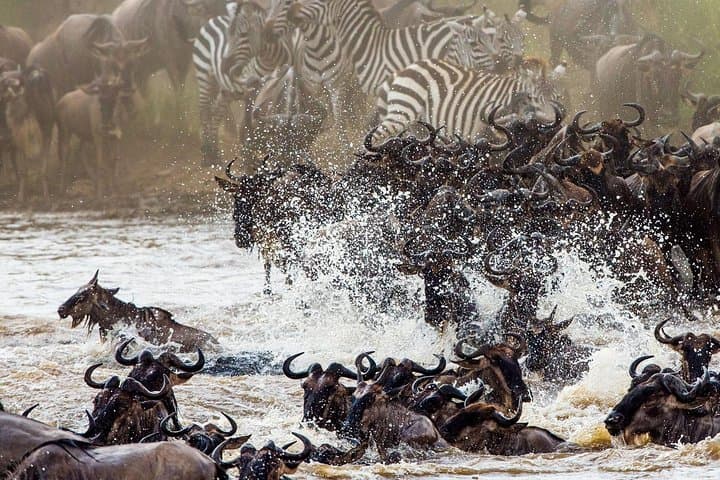
Practical guidance: expect long drives between parks and rough roads—books and motion meds help. Camping alternates between guest houses and canvas tents with basic facilities; water is rationed (one liter provided daily), so bring a refillable bottle. Binoculars, layers for chilly mornings, sun protection, and sturdy shoes make game walks and vehicle exits comfortable. Early starts matter—wildlife is most active in soft light, and the Mara River crossings are timing-dependent. Respect guides’ instructions around animals, minimize noise, and carry camera batteries and spare cards: the sightings come fast and close.
easy.
6 days.
No special fitness required for vehicle-based game drives; basic mobility for short walks and getting in/out of safari vehicles is needed.
Standard tour descriptions vary; confirm with the operator whether national park entry fees are included in your booking price.
Routine travel vaccinations and those recommended for Kenya (e.g., yellow fever if arriving from an endemic country) should be checked with a travel clinic well before departure.
This tour is vehicle-based and suitable for most fitness levels, but it’s not recommended for people with serious back or heart conditions or for pregnant travelers.
Tipping guides and camp staff is customary—budget around $10–20 per day for guides, split among the team as recommended by the operator.
The parks straddle Rift Valley geology and long-standing Maasai grazing lands; many reserves were formalized in the mid-20th century to protect wildlife and migration routes.
Responsible tourism supports anti-poaching patrols and community conservancies; minimize plastic waste, follow guide directions, and avoid off-track driving to protect fragile habitats.
Gracepatt Safaris operates guided outdoor trips and adventures with an emphasis on safety, stewardship, and memorable experiences.
You step from Nairobi’s early light into a land where the horizon stretches flat and motion arrives in herds—the trucks roll, tents rise, and the scent of dry grass moves like a promise.
You step from Nairobi’s early light into a land where the horizon stretches flat and motion arrives in herds—the trucks roll, tents rise, and the scent of dry grass moves like a promise.
Over six days the route threads between three very different ecosystems: Amboseli’s broad plains under Mount Kilimanjaro’s watch, the alkaline pink edge of Lake Nakuru, and the patchwork grasslands and river cuts of the Masai Mara. Each park reads its geology aloud—volcanic shoulders and Rift Valley basins carve the skyline while soda lakes concentrate the life that feeds the shorebirds.
History here is human and natural. The Maasai people have grazed and guided across these lands for generations; colonial-era park boundaries and later conservation measures created the protected corridors visitors traverse today. Game drives are the core rhythm: dawn and late afternoon light reveals elephants moving slow and deliberate, lions slipping through tall grass, and at Nakuru, flamingo flocks painting the shallows pink.
Practical guidance: expect long drives between parks and rough roads—books and motion meds help. Camping alternates between guest houses and canvas tents with basic facilities; water is rationed (one liter provided daily), so bring a refillable bottle. Binoculars, layers for chilly mornings, sun protection, and sturdy shoes make game walks and vehicle exits comfortable. Early starts matter—wildlife is most active in soft light, and the Mara River crossings are timing-dependent. Respect guides’ instructions around animals, minimize noise, and carry camera batteries and spare cards: the sightings come fast and close.