THE ADVENTURE COLLECTIVE® · Independent discovery and booking for outdoor travel

Swap Kathmandu’s carved courtyards for Chitwan’s river-cut grasslands on a 6-day mix of UNESCO heritage, Tharu culture and jungle safaris. Expect early-morning wildlife runs, a 4–5 hour drive to the Terai and practical, guide-led experiences aimed at maximizing sightings while minimizing impact.
Swap Kathmandu’s carved courtyards for Chitwan’s river-cut grasslands on a 6-day mix of UNESCO heritage, Tharu culture and jungle safaris. Expect early-morning wildlife runs, a 4–5 hour drive to the Terai and practical, guide-led experiences aimed at maximizing sightings while minimizing impact.
You step out of Tribhuvan International and the air hits differently—dust, diesel and a distant brown ridge where the Himalaya begins. The city hums: temple bells, vendors calling, a skyline threaded with stupas. Over the next six days you alternate between Kathmandu’s compact, carved stone courtyards and the lowland heat of Chitwan where river channels dare you closer and the jungle pushes its edges toward the road.
Verified experiences and guided adventures in the surrounding area.
Operated by Welcome Nepal Treks P.ltd · Kathmandu, Bagmati Province
You step out of Tribhuvan International and the air hits differently—dust, diesel and a distant brown ridge where the Himalaya begins. The city hums: temple bells, vendors calling, a skyline threaded with stupas. Over the next six days you alternate between Kathmandu’s compact, carved stone courtyards and the lowland heat of Chitwan where river channels dare you closer and the jungle pushes its edges toward the road.
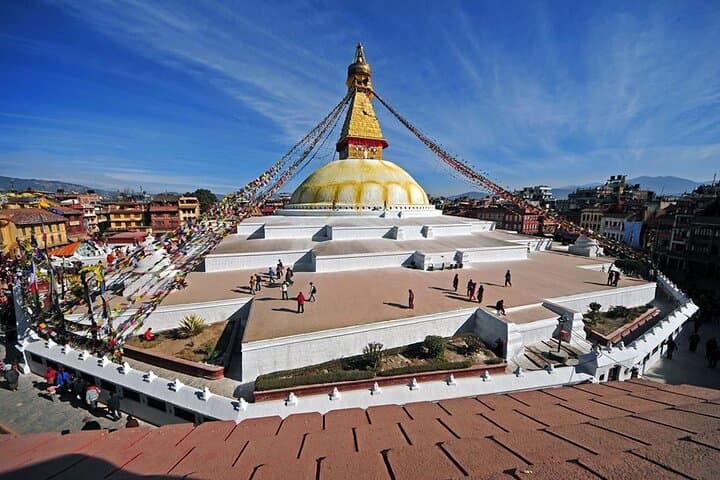
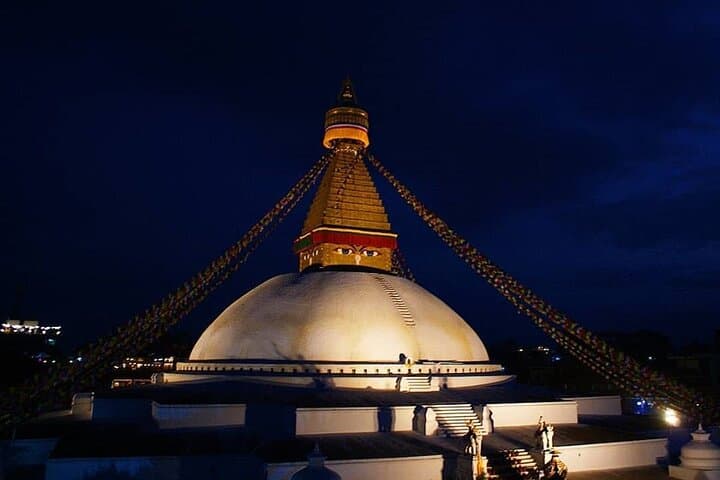
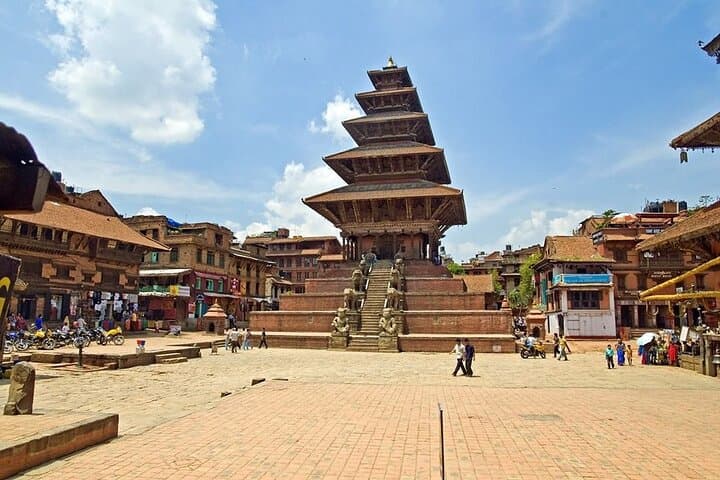
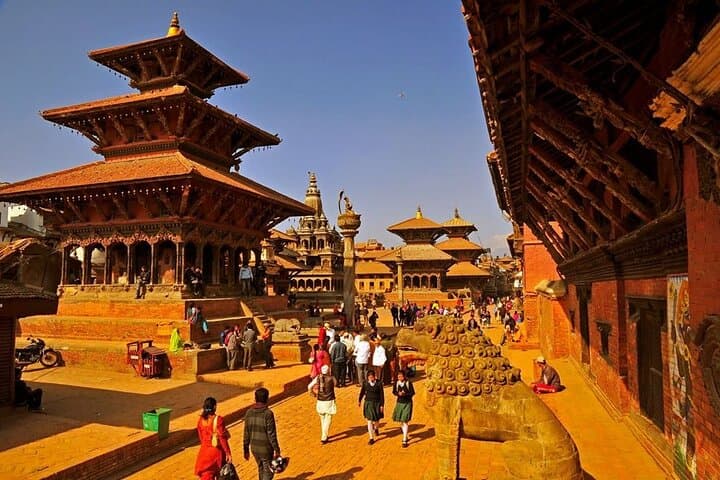
Kathmandu Valley is a historic core of Newar architecture and trade routes; Swayambhunath, Boudhanath, Pashupatinath and Patan Durbar Square are living chapters of that past and UNESCO-protected hubs of ritual and craft. Geologically, the journey drops from the valley floor (~1,400 m) down to Chitwan’s Terai plain (~150 m), a change that brings humidity, tall grass and tropical riverine habitats formed by the Narayani-Rapti system.
Chitwan National Park, created to protect the Gangetic floodplain, is home to the one-horned rhino, gharial crocodile and rich birdlife—over 400 species reported across seasons. Local Tharu culture provides music, dance and practical guides who read animal trails with the same fluency they read weather.
Practical guidance: allow 4–6 hours for the road transfer, carry a light rain shell and insect repellent, and plan early-morning safaris for the best sightings. Respect temple protocols—cover shoulders and remove shoes where required. Stay hydrated when moving between elevations, and use a local guide inside the park; they know the rhythms of wildlife and the rules that keep both you and the ecosystem safe.
moderate.
5–6 days.
Light to moderate; able to manage several hours of walking, some bumpy vehicle transfers, and short jungle treks.
Many nationalities can obtain a visa on arrival at Kathmandu airport or apply online; check current government rules before travel.
Routine vaccinations are recommended; Chitwan is low-risk for malaria in some areas—consult a travel clinic for personalized advice.
The road transfer typically takes 4–6 hours depending on traffic and road conditions; internal flights are sometimes available to shorten transit.
Yes—accommodation is 3-star comfort and activities can be tailored, but jungle walks and jeep safaris require mobility and adherence to safety guidance.
Kathmandu Valley’s temples and palaces reflect centuries of Newar urban culture and trade; Chitwan was designated a national park in 1973 to protect its riverine ecosystem and megafauna.
Chitwan NP uses guided activities and limited-area safaris to minimize disturbance; follow park rules, avoid single-use plastics and support local conservation fees and community programs.
Welcome Nepal Treks P.ltd operates guided outdoor trips and adventures with an emphasis on safety, stewardship, and memorable experiences.
You step out of Tribhuvan International and the air hits differently—dust, diesel and a distant brown ridge where the Himalaya begins. The city hums: temple bells, vendors calling, a skyline threaded with stupas. Over the next six days you alternate between Kathmandu’s compact, carved stone courtyards and the lowland heat of Chitwan where river channels dare you closer and the jungle pushes its edges toward the road.
You step out of Tribhuvan International and the air hits differently—dust, diesel and a distant brown ridge where the Himalaya begins. The city hums: temple bells, vendors calling, a skyline threaded with stupas. Over the next six days you alternate between Kathmandu’s compact, carved stone courtyards and the lowland heat of Chitwan where river channels dare you closer and the jungle pushes its edges toward the road.
Kathmandu Valley is a historic core of Newar architecture and trade routes; Swayambhunath, Boudhanath, Pashupatinath and Patan Durbar Square are living chapters of that past and UNESCO-protected hubs of ritual and craft. Geologically, the journey drops from the valley floor (~1,400 m) down to Chitwan’s Terai plain (~150 m), a change that brings humidity, tall grass and tropical riverine habitats formed by the Narayani-Rapti system.
Chitwan National Park, created to protect the Gangetic floodplain, is home to the one-horned rhino, gharial crocodile and rich birdlife—over 400 species reported across seasons. Local Tharu culture provides music, dance and practical guides who read animal trails with the same fluency they read weather.
Practical guidance: allow 4–6 hours for the road transfer, carry a light rain shell and insect repellent, and plan early-morning safaris for the best sightings. Respect temple protocols—cover shoulders and remove shoes where required. Stay hydrated when moving between elevations, and use a local guide inside the park; they know the rhythms of wildlife and the rules that keep both you and the ecosystem safe.