THE ADVENTURE COLLECTIVE® · Independent discovery and booking for outdoor travel

Walk six days through Hoang Lien Son from Muong Hoa to Ban Ho, crossing rice terraces, rainforest trails and minority villages. Expect steep ascents, homestays, a riverbank camp and close cultural encounters with Black Hmong, Red Dao, Tay and Xa Pho communities.
Walk six days through Hoang Lien Son from Muong Hoa to Ban Ho, crossing rice terraces, rainforest trails and minority villages. Expect steep ascents, homestays, a riverbank camp and close cultural encounters with Black Hmong, Red Dao, Tay and Xa Pho communities.
Dawn in the Hoang Lien range arrives as a cool, damp breath across rice terraces—mist clings to the valley and a distant river dares you onward. On this six-day trek from Sapa you move through layered landscapes: carved rice benches, rainforest fringe, riverbanks and narrow footpaths that thread villages where ethnic minorities live and work.
Verified experiences and guided adventures in the surrounding area.
Operated by Asia Travel Links · Sapa, Lào Cai
Dawn in the Hoang Lien range arrives as a cool, damp breath across rice terraces—mist clings to the valley and a distant river dares you onward. On this six-day trek from Sapa you move through layered landscapes: carved rice benches, rainforest fringe, riverbanks and narrow footpaths that thread villages where ethnic minorities live and work.
Geology here is young, steeply folded limestone and metamorphic slopes shaped by monsoon rains and glacial touches on the highest ridges; Fansipan, the range’s 3,143m high point, watches from afar. The route follows Muong Hoa valley and cuts across the Ban Ho basin, bringing you into contact with Black Hmong, Red Dao, Tay, Giay and Xa Pho communities—each with distinct textiles, house styles, and daily rhythms centered on wet‑rice cultivation and forest resource use.
Expect varied terrain: uphill days on compacted trails and muddy rainforest tracks, several descents to river terraces, and short sections over old suspension bridges. Daily hiking averages 3–7 hours with intermittent steep gains; one night is under canvas by a riverbank, other nights in family homestays where sharing meals and chores is part of the experience.
Practical edge: pack layered rain gear, robust trail shoes, and lightweight bedding for homestays; use local porters for heavy loads; carry cash for small village purchases. Weather can shift fast—start early to avoid afternoon storms and respect local customs when visiting homes and temples. This trek rewards patient travel: the views open slowly, and the villages reveal their stories in conversation and shared tea.
challenging.
6 days (approx. 3–7 hours hiking per day).
Participants should have steady cardiovascular fitness and experience with full‑day hikes; ability to handle sustained uphill and downhill terrain is recommended.
A moderate to good fitness level is recommended—expect several hours of walking per day with some sustained climbs and uneven terrain; prior multi‑day trek experience is helpful.
The tour notes Black Hmong porters for food and luggage and provides breakfast, lunch and dinner as listed; confirm porter availability for smaller group sizes.
Nights alternate between local homestays (basic private or shared rooms) and at least one riverside tent campsite; bedding is usually provided but bring a liner for comfort.
Weather changes quickly—mornings are cooler, afternoons may bring heavy rain in summer. Layered clothing, waterproofs and early starts help avoid storms and cold evenings.
The Hoang Lien Son area has long been home to upland ethnic groups whose shifting cultivation and terrace building shaped the valley agriculture over centuries; French colonial influence in Sapa introduced early mountaineering and tourism routes.
Trails pass sensitive agricultural and forest systems—stay on trails, avoid single‑use plastics, and support homestays to keep tourism benefits local.
Asia Travel Links operates guided outdoor trips and adventures with an emphasis on safety, stewardship, and memorable experiences.
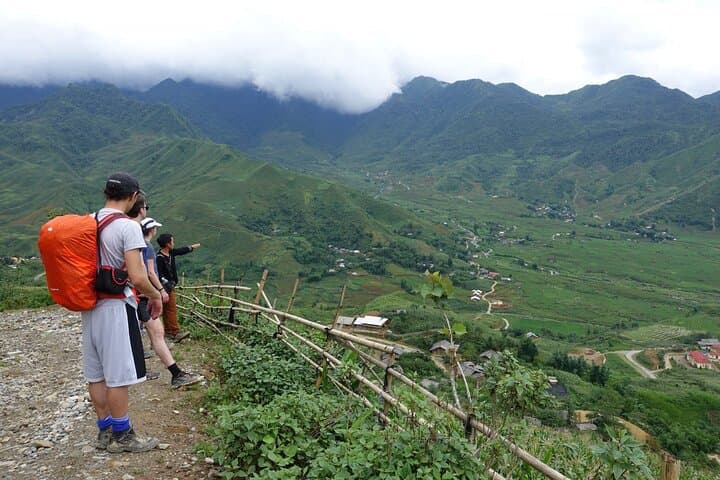
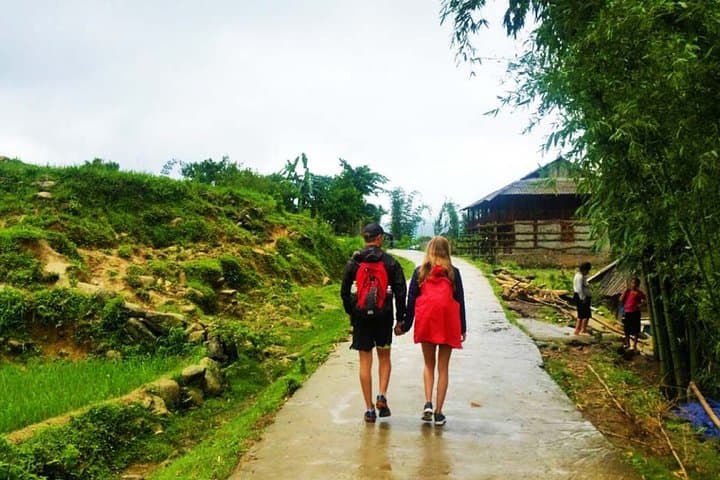
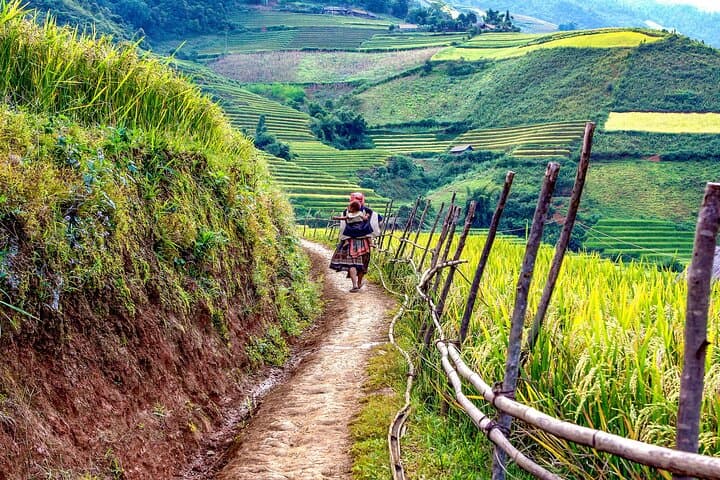
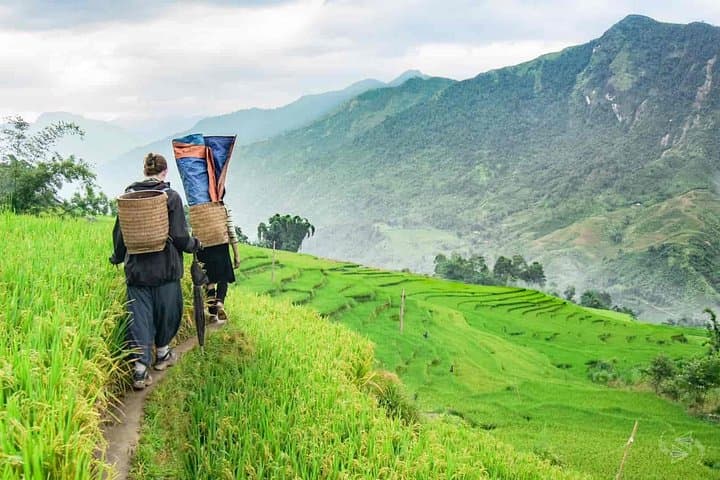
Dawn in the Hoang Lien range arrives as a cool, damp breath across rice terraces—mist clings to the valley and a distant river dares you onward. On this six-day trek from Sapa you move through layered landscapes: carved rice benches, rainforest fringe, riverbanks and narrow footpaths that thread villages where ethnic minorities live and work.
Dawn in the Hoang Lien range arrives as a cool, damp breath across rice terraces—mist clings to the valley and a distant river dares you onward. On this six-day trek from Sapa you move through layered landscapes: carved rice benches, rainforest fringe, riverbanks and narrow footpaths that thread villages where ethnic minorities live and work.
Geology here is young, steeply folded limestone and metamorphic slopes shaped by monsoon rains and glacial touches on the highest ridges; Fansipan, the range’s 3,143m high point, watches from afar. The route follows Muong Hoa valley and cuts across the Ban Ho basin, bringing you into contact with Black Hmong, Red Dao, Tay, Giay and Xa Pho communities—each with distinct textiles, house styles, and daily rhythms centered on wet‑rice cultivation and forest resource use.
Expect varied terrain: uphill days on compacted trails and muddy rainforest tracks, several descents to river terraces, and short sections over old suspension bridges. Daily hiking averages 3–7 hours with intermittent steep gains; one night is under canvas by a riverbank, other nights in family homestays where sharing meals and chores is part of the experience.
Practical edge: pack layered rain gear, robust trail shoes, and lightweight bedding for homestays; use local porters for heavy loads; carry cash for small village purchases. Weather can shift fast—start early to avoid afternoon storms and respect local customs when visiting homes and temples. This trek rewards patient travel: the views open slowly, and the villages reveal their stories in conversation and shared tea.