THE ADVENTURE COLLECTIVE® · Independent discovery and booking for outdoor travel

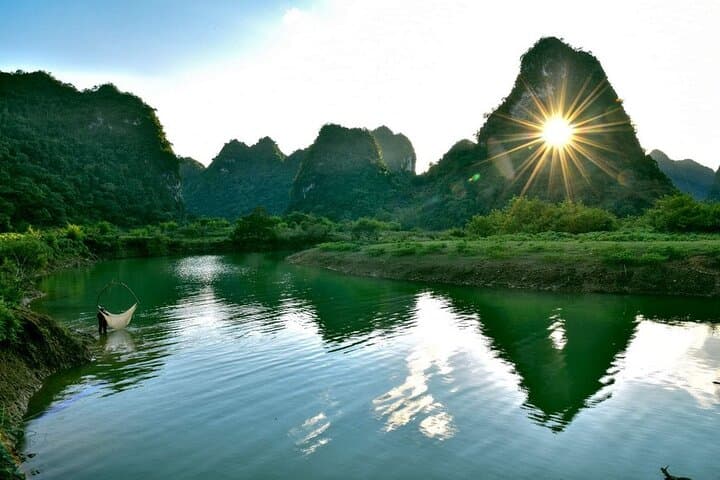
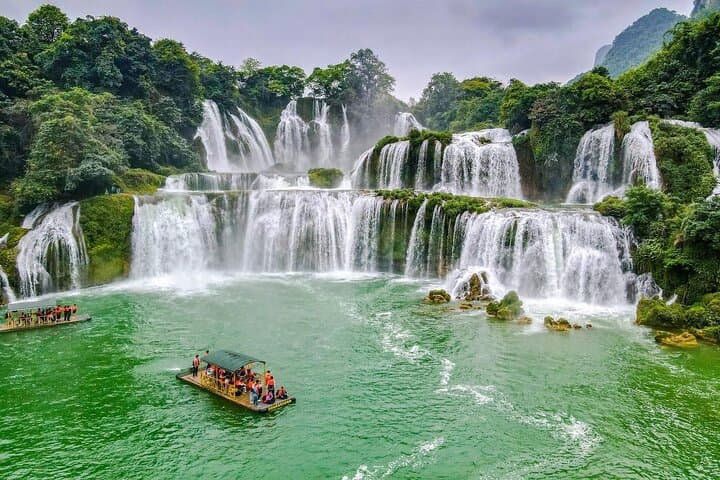
Six days from Hanoi take you across the Dong Van Karst Plateau, over Ma Pi Leng, past Ban Gioc Waterfall and to the mirror calm of Ba Bể Lake. This motorbike-and-bus loop mixes dramatic mountain roads, ethnic‑minority homestays, and geological showstoppers.
Six days from Hanoi take you across the Dong Van Karst Plateau, over Ma Pi Leng, past Ban Gioc Waterfall and to the mirror calm of Ba Bể Lake. This motorbike-and-bus loop mixes dramatic mountain roads, ethnic‑minority homestays, and geological showstoppers.
Morning fog peels off the Red River Delta as a sleeper bus eases out of Hanoi and the road sighs toward the limestone backbone of Vietnam’s north. By dawn you’re in Ha Giang province—steep roads, hairpin passes and a sky that seems to press close to the peaks. The next six days thread through the Dong Van Karst Plateau, over Ma Pi Leng’s vertiginous rims, and down into the thunder of Ban Gioc before the calm waters of Ba Bể Lake draw you to rest.
Verified experiences and guided adventures in the surrounding area.
Operated by Vietnam Cultural Tours · Ha Giang, Ha Giang Province
Morning fog peels off the Red River Delta as a sleeper bus eases out of Hanoi and the road sighs toward the limestone backbone of Vietnam’s north. By dawn you’re in Ha Giang province—steep roads, hairpin passes and a sky that seems to press close to the peaks. The next six days thread through the Dong Van Karst Plateau, over Ma Pi Leng’s vertiginous rims, and down into the thunder of Ban Gioc before the calm waters of Ba Bể Lake draw you to rest.
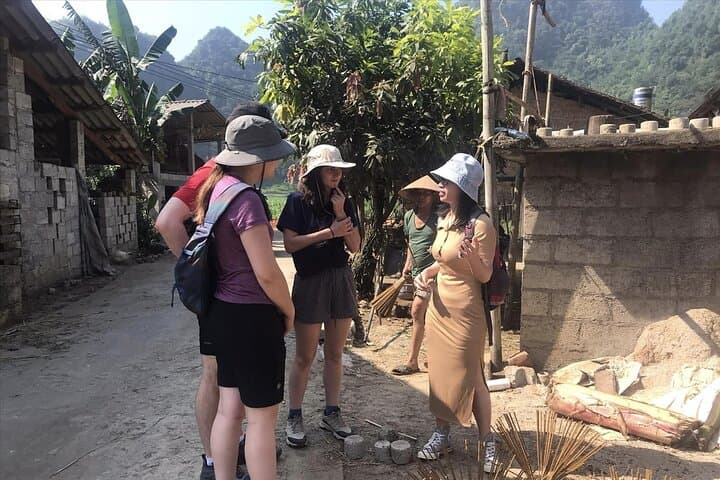
This route is shaped by geology and culture: karst towers carved over millions of years, terraced fields clinging to slopes, and villages of H’mong, Tay and Nùng people where traditional stilt houses and Vuong Palace reflect local history. The Lung Cam valley and Lung Cu flag tower speak to frontier life and national memory, while Pac Bo’s caves recall revolutionary history.
Expect long road days split by short hikes and viewpoints, altitudes ranging from ~200–1,900 m at key passes, and mixed surfaces—paved mountain roads, switchbacks, and village lanes. Accommodations alternate between hotels and family-run homestays; meals center on regional staples and included breakfasts, lunches and dinners.
Practical guidance: pack layered clothing for mountain mornings, a lightweight rain shell, and sturdy shoes for short walks. Carry cash for remote markets, protect electronics from dust, and allow time for acclimatization at higher passes. Travel conservatively on switchbacks, follow your guide’s instructions, and embrace the slower pace—this is a trip built for wide views and local encounters, not speed.
moderate.
6 days.
Moderate—able to manage multiple long transport days, short walks and getting on/off motorbikes; not technically demanding.
No—most travelers ride as passengers; guides handle navigation on mountain roads. Basic balance and following instructions are sufficient.
The itinerary includes two-way bus transfers, daily meals (breakfast, lunch, dinner), homestays/hotels, an English/Vietnamese-speaking guide and helmets for motorbike segments.
Days are transport-heavy with intermittent short hikes and viewpoint walks; comfortable stamina for long travel days is recommended but technical fitness is minimal.
Yes—hosts can prepare vegetarian meals if informed in advance; bring allergy notes and any specialty snacks you prefer.
Northern Vietnam’s highlands have long been home to H’mong, Tay and Nùng communities; Dong Van Karst Plateau was historically a strategic frontier and contains colonial-era sites like Vuong Palace.
The karst plateau and river corridors are ecologically sensitive—minimize waste, avoid collecting plants or artifacts, and support local homestays to keep tourism benefits local.
Vietnam Cultural Tours operates guided outdoor trips and adventures with an emphasis on safety, stewardship, and memorable experiences.

Morning fog peels off the Red River Delta as a sleeper bus eases out of Hanoi and the road sighs toward the limestone backbone of Vietnam’s north. By dawn you’re in Ha Giang province—steep roads, hairpin passes and a sky that seems to press close to the peaks. The next six days thread through the Dong Van Karst Plateau, over Ma Pi Leng’s vertiginous rims, and down into the thunder of Ban Gioc before the calm waters of Ba Bể Lake draw you to rest.
Morning fog peels off the Red River Delta as a sleeper bus eases out of Hanoi and the road sighs toward the limestone backbone of Vietnam’s north. By dawn you’re in Ha Giang province—steep roads, hairpin passes and a sky that seems to press close to the peaks. The next six days thread through the Dong Van Karst Plateau, over Ma Pi Leng’s vertiginous rims, and down into the thunder of Ban Gioc before the calm waters of Ba Bể Lake draw you to rest.
This route is shaped by geology and culture: karst towers carved over millions of years, terraced fields clinging to slopes, and villages of H’mong, Tay and Nùng people where traditional stilt houses and Vuong Palace reflect local history. The Lung Cam valley and Lung Cu flag tower speak to frontier life and national memory, while Pac Bo’s caves recall revolutionary history.
Expect long road days split by short hikes and viewpoints, altitudes ranging from ~200–1,900 m at key passes, and mixed surfaces—paved mountain roads, switchbacks, and village lanes. Accommodations alternate between hotels and family-run homestays; meals center on regional staples and included breakfasts, lunches and dinners.
Practical guidance: pack layered clothing for mountain mornings, a lightweight rain shell, and sturdy shoes for short walks. Carry cash for remote markets, protect electronics from dust, and allow time for acclimatization at higher passes. Travel conservatively on switchbacks, follow your guide’s instructions, and embrace the slower pace—this is a trip built for wide views and local encounters, not speed.