THE ADVENTURE COLLECTIVE® · Independent discovery and booking for outdoor travel

A combined Ha Giang Loop and Sapa trekking package that pairs dramatic karst canyons and high mountain passes with quiet village treks and homestay nights. Expect daily walks of 5–15 km, rustic accommodations, and sweeping views from Ma Pi Leng to Muong Hoa Valley.
A combined Ha Giang Loop and Sapa trekking package that pairs dramatic karst canyons and high mountain passes with quiet village treks and homestay nights. Expect daily walks of 5–15 km, rustic accommodations, and sweeping views from Ma Pi Leng to Muong Hoa Valley.
A cold morning light slices between limestone fins as the sleeper bus exhales you into Ha Giang’s ragged highlands. You move on foot the next day—boots finding terraces carved into slopes, a river daring you to pause at its edge, a hairpin road climbing toward Ma Pi Leng’s vertiginous drop. The trip pairs the raw, serpentine Ha Giang Loop with quieter, cultivated treks in Sapa’s Muong Hoa Valley, so one day’s wind can be another day’s rice‑scented warmth.
Verified experiences and guided adventures in the surrounding area.
Operated by Saparis Horizon Travel · Ha Giang, Hà Giang Province
A cold morning light slices between limestone fins as the sleeper bus exhales you into Ha Giang’s ragged highlands. You move on foot the next day—boots finding terraces carved into slopes, a river daring you to pause at its edge, a hairpin road climbing toward Ma Pi Leng’s vertiginous drop. The trip pairs the raw, serpentine Ha Giang Loop with quieter, cultivated treks in Sapa’s Muong Hoa Valley, so one day’s wind can be another day’s rice‑scented warmth.
Geology here is obvious: the Dong Van Karst Plateau rises in folded limestone with sheer cliffs and narrow canyons carved by millennia of water. Culturally, the route threads H’mông, Dao and Tay villages—Vuong Palace in Dong Van recalls early 20th‑century H’mông power, while Lung Tam preserves hand‑spun indigo and brocade traditions. Expect homestays—stilt houses, communal dinners, and herbal baths—rather than hotels.
Practically, plan for 5–15 km of trekking most days on uneven trails, with passes up to ~1,500–1,700 m (Ma Pi Leng, Dong Van plateau) and long vehicle transfers between regions. Weather turns fast: mornings can be freezing at altitude, afternoons warm and dusty, and rainy-season trails slick. Bring a sturdy pair of boots, layered waterproofs, a 25–35 L daypack, and modest gifts for hosts if you like. Hydrate frequently and carry cash—ATMs are scarce.
This six‑day loop rewards patient travelers: dramatic canyon overlooks, intimate village life, and the contrast of karst wilderness with terraced fields. Move deliberately, respect local rhythms, and the landscape will open up—one switchback, one homestay, one river crossing at a time.
moderate.
6 days.
Suitable for hikers with good aerobic fitness who can handle multiple days of 5–15 km over uneven terrain and climbs of several hundred metres per day.
Expect 5–15 km per day on uneven trails with some steep sections; most days include sustained walking but no technical climbing—moderate fitness is sufficient.
Homestays are basic and communal—traditional houses with shared facilities; they offer authentic meals and local hospitality rather than hotel comforts.
Roads are long and winding; transfers are provided by sleeper or day buses. Motion sickness can be an issue—bring medication and prepare for multi‑hour drives.
No special permits are required beyond standard entrance fees for some attractions (Vuong Palace, certain geopark sites); the tour typically includes listed entrance fees.
The route crosses the Dong Van Karst Plateau, a UNESCO geopark; Vuong Palace (built 1919–1928) recalls the local H’mông leadership and early 20th‑century trade networks.
The area relies on community tourism—stay on designated trails, avoid single‑use plastics, and buy local handicrafts to support village economies and maintain cultural landscapes.
Saparis Horizon Travel operates guided outdoor trips and adventures with an emphasis on safety, stewardship, and memorable experiences.
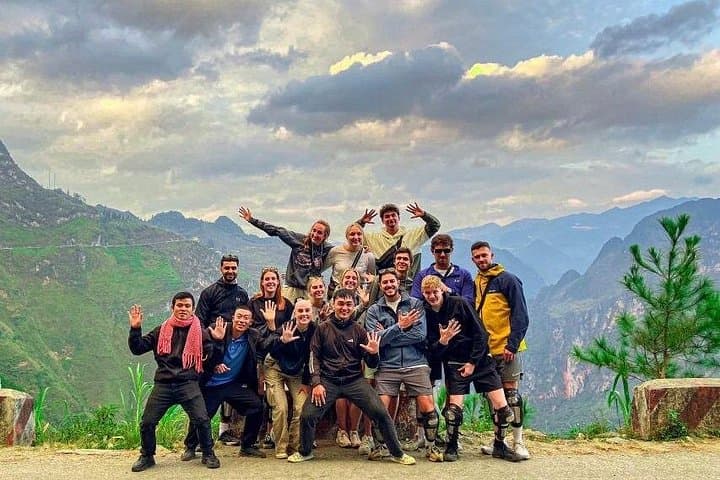
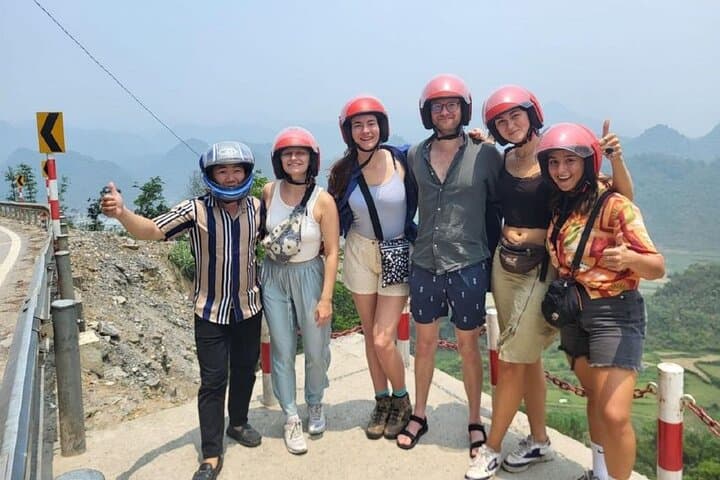
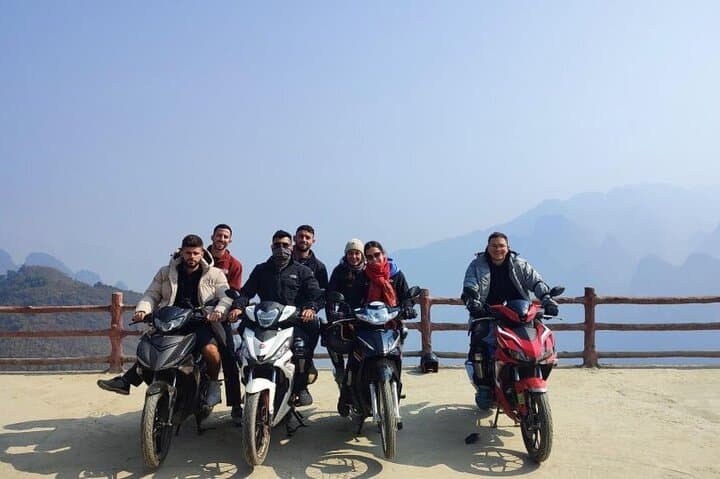
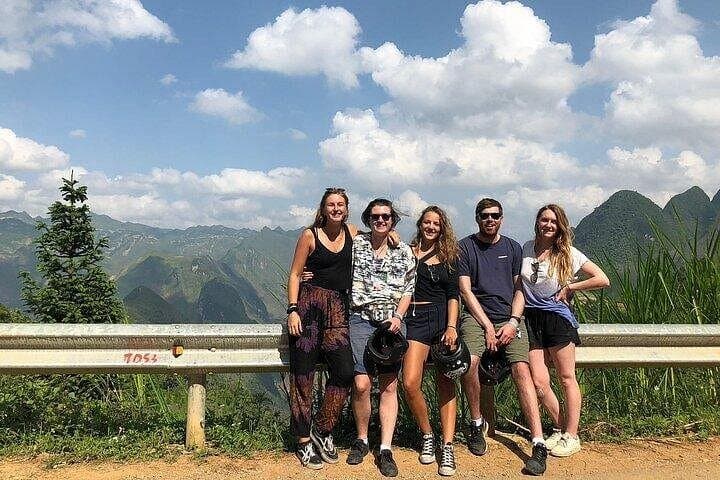
A cold morning light slices between limestone fins as the sleeper bus exhales you into Ha Giang’s ragged highlands. You move on foot the next day—boots finding terraces carved into slopes, a river daring you to pause at its edge, a hairpin road climbing toward Ma Pi Leng’s vertiginous drop. The trip pairs the raw, serpentine Ha Giang Loop with quieter, cultivated treks in Sapa’s Muong Hoa Valley, so one day’s wind can be another day’s rice‑scented warmth.
A cold morning light slices between limestone fins as the sleeper bus exhales you into Ha Giang’s ragged highlands. You move on foot the next day—boots finding terraces carved into slopes, a river daring you to pause at its edge, a hairpin road climbing toward Ma Pi Leng’s vertiginous drop. The trip pairs the raw, serpentine Ha Giang Loop with quieter, cultivated treks in Sapa’s Muong Hoa Valley, so one day’s wind can be another day’s rice‑scented warmth.
Geology here is obvious: the Dong Van Karst Plateau rises in folded limestone with sheer cliffs and narrow canyons carved by millennia of water. Culturally, the route threads H’mông, Dao and Tay villages—Vuong Palace in Dong Van recalls early 20th‑century H’mông power, while Lung Tam preserves hand‑spun indigo and brocade traditions. Expect homestays—stilt houses, communal dinners, and herbal baths—rather than hotels.
Practically, plan for 5–15 km of trekking most days on uneven trails, with passes up to ~1,500–1,700 m (Ma Pi Leng, Dong Van plateau) and long vehicle transfers between regions. Weather turns fast: mornings can be freezing at altitude, afternoons warm and dusty, and rainy-season trails slick. Bring a sturdy pair of boots, layered waterproofs, a 25–35 L daypack, and modest gifts for hosts if you like. Hydrate frequently and carry cash—ATMs are scarce.
This six‑day loop rewards patient travelers: dramatic canyon overlooks, intimate village life, and the contrast of karst wilderness with terraced fields. Move deliberately, respect local rhythms, and the landscape will open up—one switchback, one homestay, one river crossing at a time.