THE ADVENTURE COLLECTIVE® · Independent discovery and booking for outdoor travel

A six-day, guided kayak journey down the Urubu River east of Manaus that combines daily paddling, rainforest hikes, waterfall swims and simple hammock camping. Ideal for paddlers seeking remote wildlife and culture with experienced guides.
A six-day, guided kayak journey down the Urubu River east of Manaus that combines daily paddling, rainforest hikes, waterfall swims and simple hammock camping. Ideal for paddlers seeking remote wildlife and culture with experienced guides.
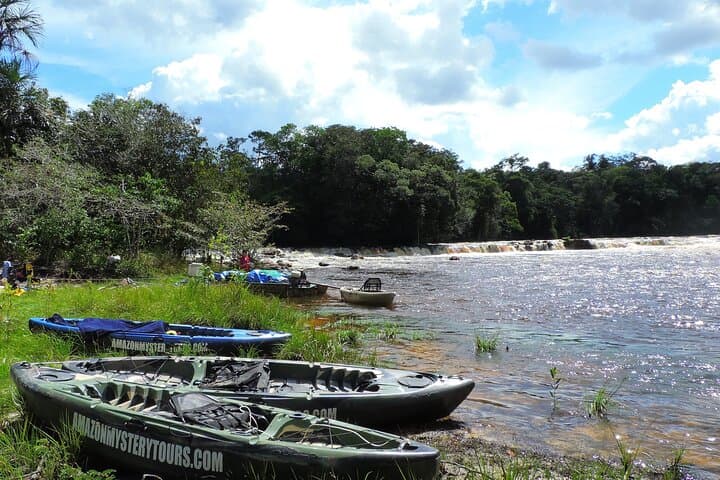
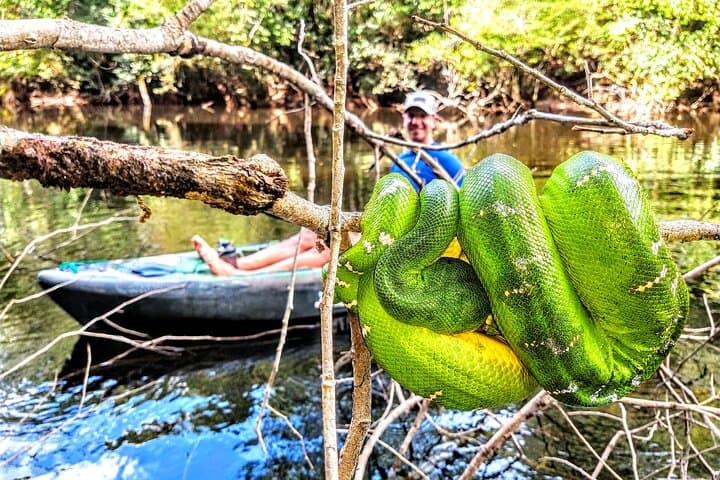
You push off at dawn and the river takes the first stroke — a slow, persuasive current that moves you under canopy and through mirror-dark water. Macaws call from high branches and the shoreline alternates between braided sandbars and thick flooded forest. The Urubu River, a narrow tributary east of Manaus, delivers a close, tactile rainforest experience: palms brush your paddle, and the river seems to test your attention with every bend.
Verified experiences and guided adventures in the surrounding area.
Operated by Amazon Mystery Tours · Manaus, Amazonas
You push off at dawn and the river takes the first stroke — a slow, persuasive current that moves you under canopy and through mirror-dark water. Macaws call from high branches and the shoreline alternates between braided sandbars and thick flooded forest. The Urubu River, a narrow tributary east of Manaus, delivers a close, tactile rainforest experience: palms brush your paddle, and the river seems to test your attention with every bend.
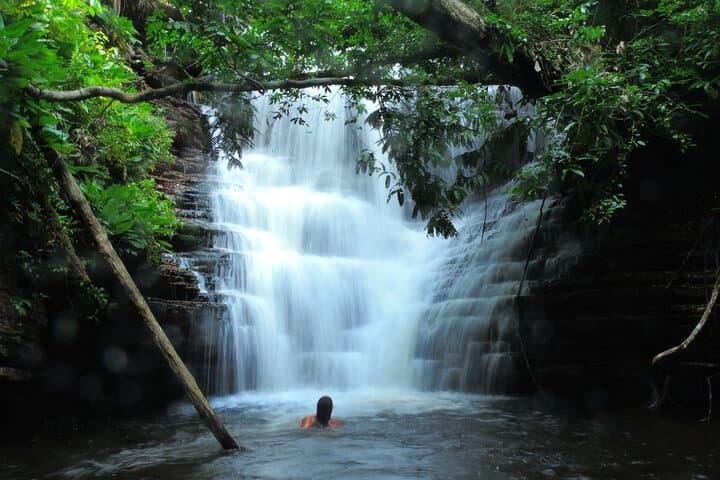
Geology here is young: sediment-laden waters fed by the Amazon carve soft banks and create shifting beaches each season. Cultural threads run through the itinerary — small riverside communities that fish, cultivate manioc and share stories of the forest. Guides combine local knowledge with basic natural history: where caimans gather in low water, which trails lead to waterfalls, and why the flood pulse governs wildlife sightings.
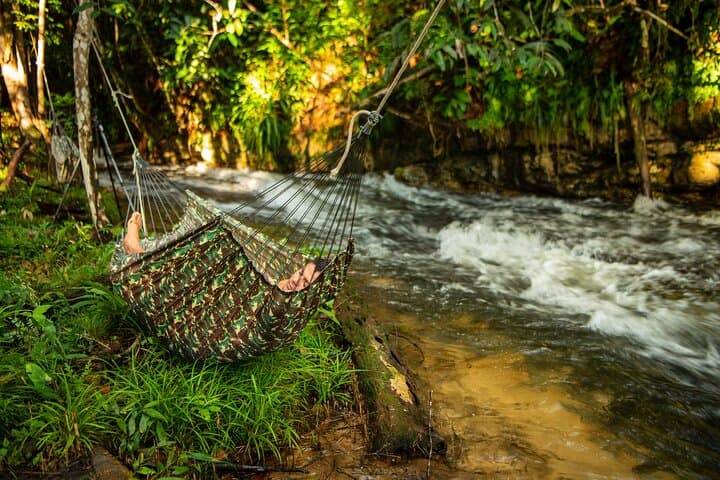
Practically, expect six days of paddling and camping, roughly 160 km total with daily legs ranging from about 16–44 km. Camps are simple: hammocks with mosquito nets, tarp shelters and cooked meals. The trip blends gentle current sections with occasional safe rapids; guides teach wet exits and river navigation.
Bring waterproof storage, insect protection and the expectation of basic, rustic comfort. Pace your days: hydrate, rotate paddling partners if needed, and leave no trace on beaches and campsites. Low-water months increase wildlife visibility; high water brings expansive flooded forest but fewer shore sightings. This is an immersion — the river nudges you forward, the forest answers.
challenging.
6 days (approx. 4–8 hours paddling per day).
Good cardiovascular endurance and core strength recommended; comfortable with long days of paddling and basic camping.
Basic paddling skills help, but guided instruction and safety briefings are provided; prior experience makes the trip easier.
Camps use hammocks with mosquito nets or simple tarpaulin shelters; guides set up communal camp and prepare meals.
Lower-water months (roughly September–February) concentrate animals along river edges, improving sightings; high water spreads wildlife into flooded forest.
Not recommended for pregnant travelers or those with serious spinal or cardiovascular conditions; moderate to good fitness is required for sustained paddling.
The Urubu River region has long been home to riverine communities that subsist on fishing, small-scale agriculture and forest resources; Manaus historically served as the regional trade and supply hub.
The Amazon flood pulse is central to local ecology; travelers should minimize waste, avoid open fires in fragile riverine zones and follow guide advice to reduce habitat disturbance.
Amazon Mystery Tours operates guided outdoor trips and adventures with an emphasis on safety, stewardship, and memorable experiences.
You push off at dawn and the river takes the first stroke — a slow, persuasive current that moves you under canopy and through mirror-dark water. Macaws call from high branches and the shoreline alternates between braided sandbars and thick flooded forest. The Urubu River, a narrow tributary east of Manaus, delivers a close, tactile rainforest experience: palms brush your paddle, and the river seems to test your attention with every bend.
You push off at dawn and the river takes the first stroke — a slow, persuasive current that moves you under canopy and through mirror-dark water. Macaws call from high branches and the shoreline alternates between braided sandbars and thick flooded forest. The Urubu River, a narrow tributary east of Manaus, delivers a close, tactile rainforest experience: palms brush your paddle, and the river seems to test your attention with every bend.
Geology here is young: sediment-laden waters fed by the Amazon carve soft banks and create shifting beaches each season. Cultural threads run through the itinerary — small riverside communities that fish, cultivate manioc and share stories of the forest. Guides combine local knowledge with basic natural history: where caimans gather in low water, which trails lead to waterfalls, and why the flood pulse governs wildlife sightings.
Practically, expect six days of paddling and camping, roughly 160 km total with daily legs ranging from about 16–44 km. Camps are simple: hammocks with mosquito nets, tarp shelters and cooked meals. The trip blends gentle current sections with occasional safe rapids; guides teach wet exits and river navigation.
Bring waterproof storage, insect protection and the expectation of basic, rustic comfort. Pace your days: hydrate, rotate paddling partners if needed, and leave no trace on beaches and campsites. Low-water months increase wildlife visibility; high water brings expansive flooded forest but fewer shore sightings. This is an immersion — the river nudges you forward, the forest answers.