THE ADVENTURE COLLECTIVE® · Independent discovery and booking for outdoor travel

Trace India's imperial history and seek tigers on a compact six‑day loop from Delhi to Agra, Jaipur and Ranthambore. Early starts, sunrise light and guided game drives define the experience—plan for heat, crowds and the best morning windows.
Trace India's imperial history and seek tigers on a compact six‑day loop from Delhi to Agra, Jaipur and Ranthambore. Early starts, sunrise light and guided game drives define the experience—plan for heat, crowds and the best morning windows.
You step out before dawn into a cool Delhi morning, the city still rubbing sleep from its eyes while your vehicle hums toward the plains. By sunrise the white marble of the Taj Mahal glows like a promise; later, a park ranger's silhouette and the sudden hush of Ranthambore bring tigers to the foreground of the day.
Verified experiences and guided adventures in the surrounding area.
Operated by Markable Joy · New Delhi, Delhi
You step out before dawn into a cool Delhi morning, the city still rubbing sleep from its eyes while your vehicle hums toward the plains. By sunrise the white marble of the Taj Mahal glows like a promise; later, a park ranger's silhouette and the sudden hush of Ranthambore bring tigers to the foreground of the day.
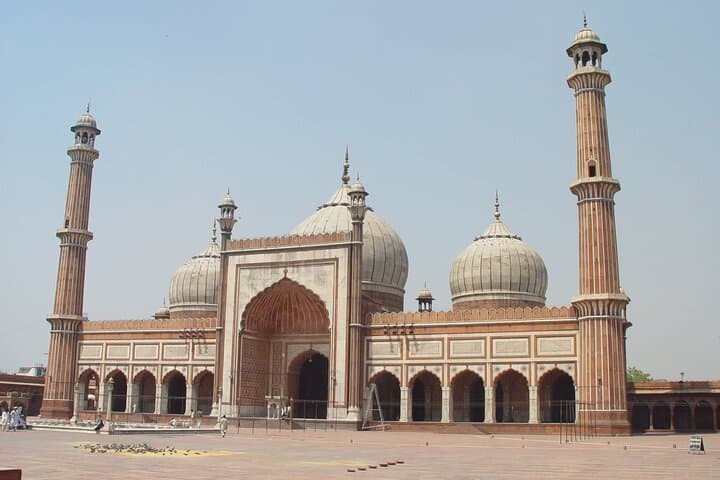
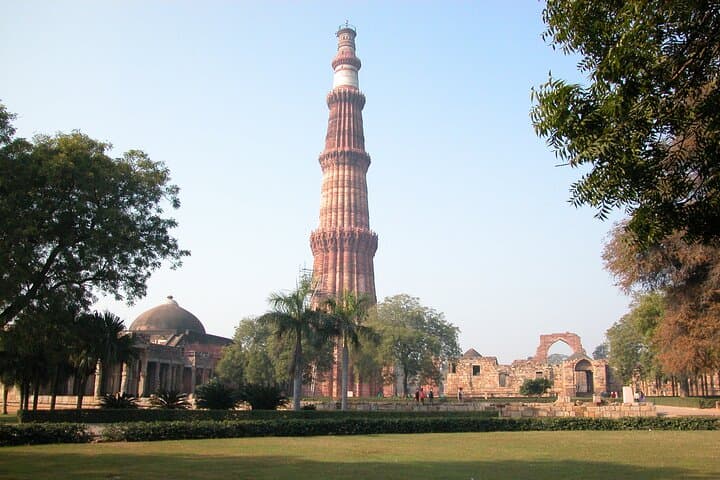
This six-day loop threads through three historic Mughal and Rajput cities and a former royal hunting reserve. Delhi's Qutub Minar and Humayun's tomb chart centuries of imperial architecture; Agra holds both the transition from red sandstone to the Taj’s white marble and the fortified residence of Agra Fort. Fatehpur Sikri — a short ride between Agra and Jaipur — freezes 16th-century Mughal urban planning in red sandstone. In Rajasthan the geology shifts to low rocky hills around Ranthambore, where the 10th-century hill fort presides over lakes and teak forest that shelter tiger, langur and marsh crocodile.
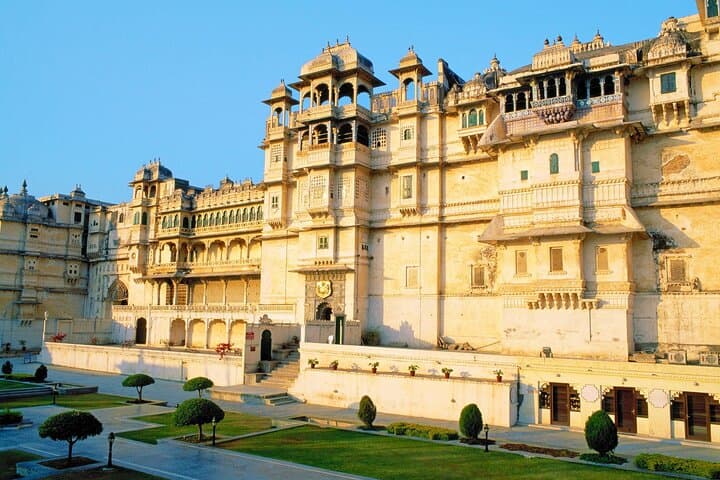
Culture here is tactile: spice bazaars in Chandni Chowk, marble artisans in Agra and painted havelis in Jaipur, each offering direct contact with craft and cuisine. Conservation in Ranthambore balances tourism and habitat protection; sightings are never guaranteed, and early-morning safaris remain the best window.
Practical edge: pack for early starts and midday heat, carry a sun hat, fast camera settings, and photocopies of documents. Expect comfortable hotel nights, guided walks and game drives—this itinerary is low on sustained exertion but high on time on your feet exploring monuments, markets and short trails. Book morning monument slots and Ranthambore safaris in advance to maximize sightings and avoid midday closures.
easy.
6 days.
Suitable for travelers in average fitness; involves short walks, some stairs and vehicle transfers
Sightings are possible but not guaranteed; early-morning safaris with experienced trackers raise your odds, and multiple drives increase exposure to active tiger territories.
This tour lists monument entrances and professional city guides as included on certain booking options—confirm specific inclusions when booking to avoid surprises.
Most sites have areas accessible to wheelchairs, and the tour is rated easy, but some historic sites include stairs and uneven surfaces—check local accessibility details in advance.
October–March offers cooler days and clearer safari visibility; peak summer (May–June) is hot and the monsoon (July–September) brings variable access.
The Golden Triangle connects Mughal-era capitals and Rajput strongholds; Fatehpur Sikri was an imperial stop that briefly served as Mughal capital under Akbar.
Ranthambore is a protected tiger reserve where regulated safaris support conservation funding; follow park rules to minimize disturbance and stick to designated trails and vehicles.
Markable Joy operates guided outdoor trips and adventures with an emphasis on safety, stewardship, and memorable experiences.

You step out before dawn into a cool Delhi morning, the city still rubbing sleep from its eyes while your vehicle hums toward the plains. By sunrise the white marble of the Taj Mahal glows like a promise; later, a park ranger's silhouette and the sudden hush of Ranthambore bring tigers to the foreground of the day.
You step out before dawn into a cool Delhi morning, the city still rubbing sleep from its eyes while your vehicle hums toward the plains. By sunrise the white marble of the Taj Mahal glows like a promise; later, a park ranger's silhouette and the sudden hush of Ranthambore bring tigers to the foreground of the day.
This six-day loop threads through three historic Mughal and Rajput cities and a former royal hunting reserve. Delhi's Qutub Minar and Humayun's tomb chart centuries of imperial architecture; Agra holds both the transition from red sandstone to the Taj’s white marble and the fortified residence of Agra Fort. Fatehpur Sikri — a short ride between Agra and Jaipur — freezes 16th-century Mughal urban planning in red sandstone. In Rajasthan the geology shifts to low rocky hills around Ranthambore, where the 10th-century hill fort presides over lakes and teak forest that shelter tiger, langur and marsh crocodile.
Culture here is tactile: spice bazaars in Chandni Chowk, marble artisans in Agra and painted havelis in Jaipur, each offering direct contact with craft and cuisine. Conservation in Ranthambore balances tourism and habitat protection; sightings are never guaranteed, and early-morning safaris remain the best window.
Practical edge: pack for early starts and midday heat, carry a sun hat, fast camera settings, and photocopies of documents. Expect comfortable hotel nights, guided walks and game drives—this itinerary is low on sustained exertion but high on time on your feet exploring monuments, markets and short trails. Book morning monument slots and Ranthambore safaris in advance to maximize sightings and avoid midday closures.