THE ADVENTURE COLLECTIVE® · Independent discovery and booking for outdoor travel

Travel from Delhi’s monuments to the Taj Mahal, Jaipur’s forts, and the river rituals of Haridwar and Rishikesh over six compact days. This guided circuit pairs sunrise visits and cultural performances with private transfers and local insight.
Travel from Delhi’s monuments to the Taj Mahal, Jaipur’s forts, and the river rituals of Haridwar and Rishikesh over six compact days. This guided circuit pairs sunrise visits and cultural performances with private transfers and local insight.
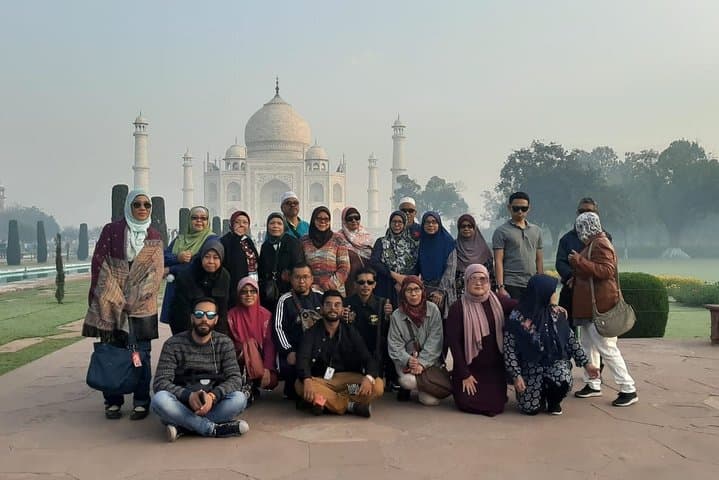
Morning light splashes across the Yamuna and the Ganges as you step from a Delhi hotel into organized transport that will carry you through six days of India’s living history. The itinerary threads Mughal marble and Rajput forts with river-ghat ceremonies — from the Taj Mahal’s alabaster glow at sunrise to the chant-filled evenings on Haridwar’s Triveni Ghat and the suspended bridges of Rishikesh.
Verified experiences and guided adventures in the surrounding area.
Operated by Padma Holidays · New Delhi, Delhi
Morning light splashes across the Yamuna and the Ganges as you step from a Delhi hotel into organized transport that will carry you through six days of India’s living history. The itinerary threads Mughal marble and Rajput forts with river-ghat ceremonies — from the Taj Mahal’s alabaster glow at sunrise to the chant-filled evenings on Haridwar’s Triveni Ghat and the suspended bridges of Rishikesh.
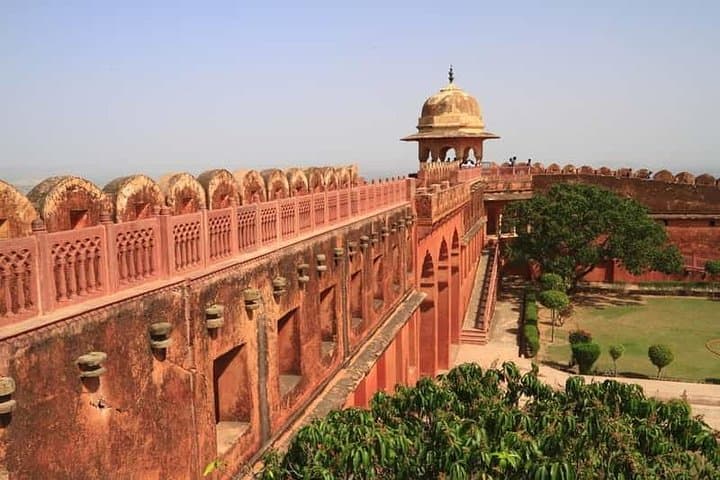
The Golden Triangle—Delhi, Agra and Jaipur—reflects layers of Mughal rule and Rajput craft: red sandstone ramparts, precise astronomical instruments at Jantar Mantar, and the Hawa Mahal’s honeycombed façade. Moving north to Haridwar and Rishikesh shifts the story to riverine culture: pilgrimage, yoga ashrams and cable-car temples clinging to Himalayan foothills. Geologically the route crosses the Indo-Gangetic Plain into the lower Shivalik slopes, where the Ganges gathers speed and the scent of incense trades places with the tang of roadside chaat.
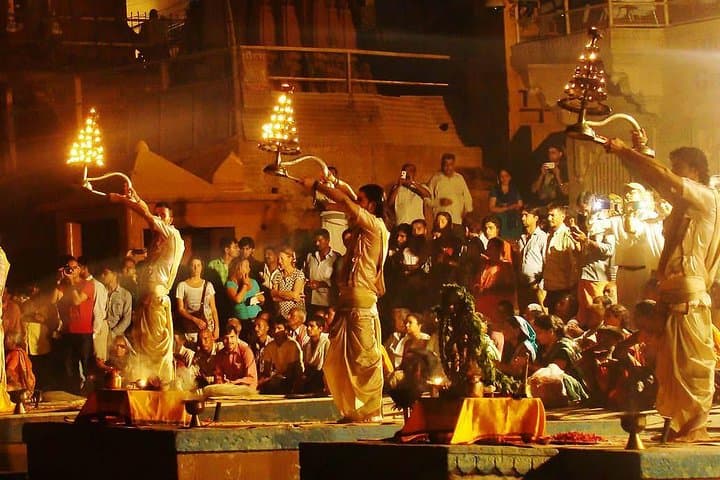
Expect organized hotel transfers, guided monument entries and cultural performances—Chowki Dhani’s folk dances and Haridwar’s Ganga Aarti are staged to give context as much as spectacle. Practical planning matters: early starts beat the heat and crowds at the Taj; modest dress eases temple visits; lightweight walking shoes and a daypack keep long sightseeing days comfortable.
Bring photocopies of travel documents, keep water and sunscreen handy, and allow time between city transfers for traffic. The trip is low on technical difficulty but rich in sensory detail — a program that balances heritage monuments with contemplative river culture and practical logistics for traveling with confidence.
easy.
6 days.
Light walking ability; comfortable standing and stairs during monument visits and short hikes near temples
October to March is generally most comfortable—mild days and cooler nights—while summer can be hot in Delhi, Agra and Jaipur.
This tour lists entry tickets to specified monuments and some meals (breakfasts and select lunches); confirm specifics at booking for optional visits like Mehtab Bagh.
Yes; the itinerary is described as suitable for all fitness levels but involves long transfers—check mobility needs and any required medical clearances.
Most international visitors to India require a valid visa and passport; carry photocopies and confirm current entry requirements before travel.
The Golden Triangle connects Mughal-era Agra and Delhi with Rajput Jaipur; Haridwar and Rishikesh carry centuries of river-based pilgrimage and yoga traditions.
River health and crowd management are local concerns—support responsible vendors, avoid single-use plastics and follow temple rules to reduce impact.
Padma Holidays operates guided outdoor trips and adventures with an emphasis on safety, stewardship, and memorable experiences.

Morning light splashes across the Yamuna and the Ganges as you step from a Delhi hotel into organized transport that will carry you through six days of India’s living history. The itinerary threads Mughal marble and Rajput forts with river-ghat ceremonies — from the Taj Mahal’s alabaster glow at sunrise to the chant-filled evenings on Haridwar’s Triveni Ghat and the suspended bridges of Rishikesh.
Morning light splashes across the Yamuna and the Ganges as you step from a Delhi hotel into organized transport that will carry you through six days of India’s living history. The itinerary threads Mughal marble and Rajput forts with river-ghat ceremonies — from the Taj Mahal’s alabaster glow at sunrise to the chant-filled evenings on Haridwar’s Triveni Ghat and the suspended bridges of Rishikesh.
The Golden Triangle—Delhi, Agra and Jaipur—reflects layers of Mughal rule and Rajput craft: red sandstone ramparts, precise astronomical instruments at Jantar Mantar, and the Hawa Mahal’s honeycombed façade. Moving north to Haridwar and Rishikesh shifts the story to riverine culture: pilgrimage, yoga ashrams and cable-car temples clinging to Himalayan foothills. Geologically the route crosses the Indo-Gangetic Plain into the lower Shivalik slopes, where the Ganges gathers speed and the scent of incense trades places with the tang of roadside chaat.
Expect organized hotel transfers, guided monument entries and cultural performances—Chowki Dhani’s folk dances and Haridwar’s Ganga Aarti are staged to give context as much as spectacle. Practical planning matters: early starts beat the heat and crowds at the Taj; modest dress eases temple visits; lightweight walking shoes and a daypack keep long sightseeing days comfortable.
Bring photocopies of travel documents, keep water and sunscreen handy, and allow time between city transfers for traffic. The trip is low on technical difficulty but rich in sensory detail — a program that balances heritage monuments with contemplative river culture and practical logistics for traveling with confidence.