THE ADVENTURE COLLECTIVE® · Independent discovery and booking for outdoor travel

A compact six-day road trip that pairs the Golden Triangle’s iconic monuments with an authentic Ranthambore safari. Early starts, long drives, and rich cultural stops reward travelers who want history, wildlife, and vibrant markets in one loop.
A compact six-day road trip that pairs the Golden Triangle’s iconic monuments with an authentic Ranthambore safari. Early starts, long drives, and rich cultural stops reward travelers who want history, wildlife, and vibrant markets in one loop.
You arrive in New Delhi before dawn, the city still wet with early-morning light and the rumble of long-distance coaches fading on the highway. The road trip unfolds like a sequence of chapters: Mughal marble at sunrise in Agra, the scrub and granite ribs of Ranthambore where a tiger might break the horizon, and the pink-stone streets of Jaipur where bazaars spill color into the evening.
Verified experiences and guided adventures in the surrounding area.
Operated by Rajasthan Driver Tours · New Delhi, Delhi
You arrive in New Delhi before dawn, the city still wet with early-morning light and the rumble of long-distance coaches fading on the highway. The road trip unfolds like a sequence of chapters: Mughal marble at sunrise in Agra, the scrub and granite ribs of Ranthambore where a tiger might break the horizon, and the pink-stone streets of Jaipur where bazaars spill color into the evening.
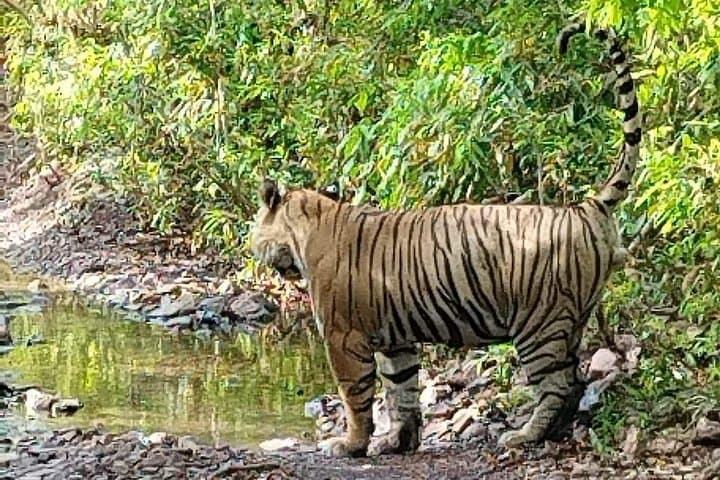
This route threads three historical worlds. Delhi’s colonial and Mughal landmarks trace imperial power across centuries; Agra’s Taj Mahal and Agra Fort show refined marble and red sandstone craftsmanship from the Mughal era; Jaipur carries Rajput architecture and planned urbanism in its grid of palaces and observatories. Geologically, the Aravalli foothills around Ranthambore create rocky ridges and dry deciduous forest that concentrate wildlife along seasonal waterholes.
Expect long but manageable driving days (Delhi→Agra ≈3–4 hrs; Agra→Ranthambore ≈4–6 hrs; Ranthambore→Jaipur ≈3–4 hrs) with guided stops. Early starts are nonnegotiable: Taj sunrise and morning safaris give the best light and wildlife chances. Practical gear—light layers for morning cool, sun protection, sturdy walking shoes, and binoculars—makes the difference between comfortable sightseeing and a tired day.
Respect cultural norms (modest dress at religious sites), carry cash for small vendors, and follow park rules during safaris: stay with your guide, keep noise low, and never feed wildlife. With planning, this loop delivers architectural spectacles, market life, and the pulse of India’s wild heart in a compact six-day itinerary.
moderate.
6 days.
Suitable for travelers in average fitness; involves short walks at sites and multi-hour vehicle transfers each day.
The Taj is closed on Fridays for prayers; plan the itinerary so your Agra visit avoids that day for interior access.
Safaris typically run twice daily—early morning (before sunrise to mid-morning) and late afternoon to dusk—book morning slots for the best animal activity.
Most international travelers require a visa or e-Visa; check your nationality’s entry requirements and arrange documentation before arrival.
Visits involve moderate walking across forts, gardens, and markets—expect 1–3 miles of walking on sightseeing days with paved and uneven surfaces.
The route stitches Mughal imperial sites with Rajput palaces; Mughal tastes shaped Agra’s white marble monuments while Jaipur reflects planned Rajput urbanism from the 18th century.
Ranthambore operates as a protected reserve focused on tiger conservation; stick to official vehicles and handlers to minimize disturbance and avoid feeding or approaching wildlife.
Rajasthan Driver Tours operates guided outdoor trips and adventures with an emphasis on safety, stewardship, and memorable experiences.


You arrive in New Delhi before dawn, the city still wet with early-morning light and the rumble of long-distance coaches fading on the highway. The road trip unfolds like a sequence of chapters: Mughal marble at sunrise in Agra, the scrub and granite ribs of Ranthambore where a tiger might break the horizon, and the pink-stone streets of Jaipur where bazaars spill color into the evening.
You arrive in New Delhi before dawn, the city still wet with early-morning light and the rumble of long-distance coaches fading on the highway. The road trip unfolds like a sequence of chapters: Mughal marble at sunrise in Agra, the scrub and granite ribs of Ranthambore where a tiger might break the horizon, and the pink-stone streets of Jaipur where bazaars spill color into the evening.
This route threads three historical worlds. Delhi’s colonial and Mughal landmarks trace imperial power across centuries; Agra’s Taj Mahal and Agra Fort show refined marble and red sandstone craftsmanship from the Mughal era; Jaipur carries Rajput architecture and planned urbanism in its grid of palaces and observatories. Geologically, the Aravalli foothills around Ranthambore create rocky ridges and dry deciduous forest that concentrate wildlife along seasonal waterholes.
Expect long but manageable driving days (Delhi→Agra ≈3–4 hrs; Agra→Ranthambore ≈4–6 hrs; Ranthambore→Jaipur ≈3–4 hrs) with guided stops. Early starts are nonnegotiable: Taj sunrise and morning safaris give the best light and wildlife chances. Practical gear—light layers for morning cool, sun protection, sturdy walking shoes, and binoculars—makes the difference between comfortable sightseeing and a tired day.
Respect cultural norms (modest dress at religious sites), carry cash for small vendors, and follow park rules during safaris: stay with your guide, keep noise low, and never feed wildlife. With planning, this loop delivers architectural spectacles, market life, and the pulse of India’s wild heart in a compact six-day itinerary.