THE ADVENTURE COLLECTIVE® · Independent discovery and booking for outdoor travel

Six days across India’s Golden Triangle connect sunrise on the Ganges with tiger country and the Taj Mahal. This compact loop blends city monuments, a Ranthambore safari, and Varanasi’s river rituals with practical travel beats for first-time visitors.
Six days across India’s Golden Triangle connect sunrise on the Ganges with tiger country and the Taj Mahal. This compact loop blends city monuments, a Ranthambore safari, and Varanasi’s river rituals with practical travel beats for first-time visitors.
Dawn on the Ganges is the first act: priests move with practiced rhythm, incense smoke threads the air and boats slice the river as the city wakes. This six-day loop trades that intimate river morning for the vaulted courtyards of Jaipur, the marble hush of the Taj, and the scrubby granite ridges of Ranthambore where tigers still slip between shadows.
Verified experiences and guided adventures in the surrounding area.
Operated by Indian Golden Triangle Tour · New Delhi, Delhi
Dawn on the Ganges is the first act: priests move with practiced rhythm, incense smoke threads the air and boats slice the river as the city wakes. This six-day loop trades that intimate river morning for the vaulted courtyards of Jaipur, the marble hush of the Taj, and the scrubby granite ridges of Ranthambore where tigers still slip between shadows.
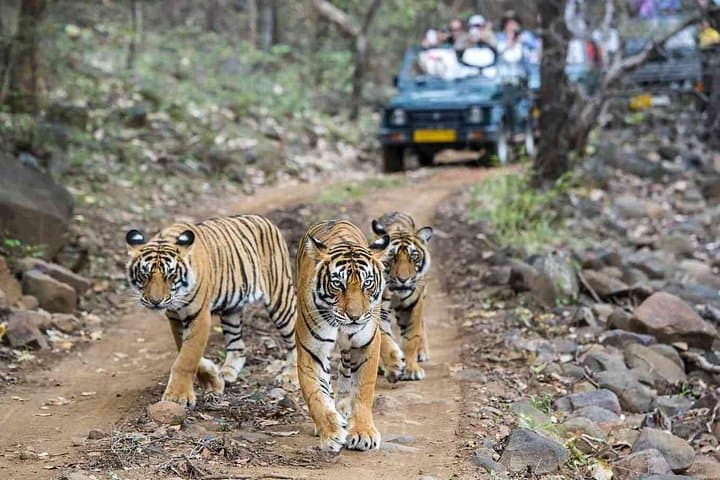
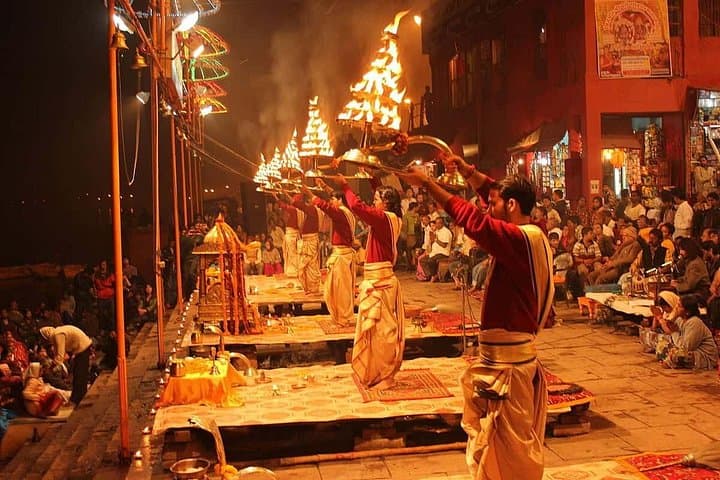
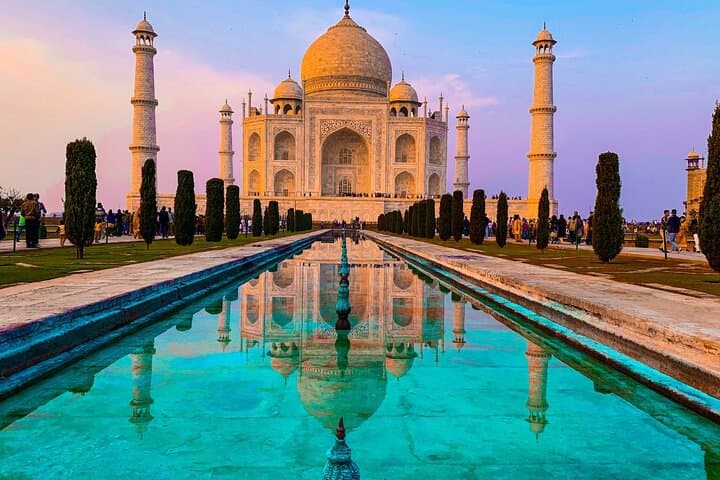
The route maps centuries of power and pilgrimage. Delhi’s contrast of Mughal mausoleums and British-era boulevards reflects layered imperial history; Agra’s Taj Mahal is a 17th-century marble pledge that draws architecture and geology together; Jaipur’s pink sandstone façades and Jantar Mantar’s astronomical instruments tell of princely ambition. Ranthambore sits on the Aravalli foothills — exposed rock, seasonal lakes and dry deciduous scrub that support sambar, jackal and elusive Bengal tiger. Varanasi, one of the subcontinent’s oldest living cities, centers around nightly Ganga Aarti ceremonies that have shaped local ritual life for centuries.
Practical guidance: expect long transfers by road and one overnight train; travel windows are early mornings and late evenings to avoid heat and to catch wildlife or sunrise rituals. Carry a small daypack for each transfer, photocopies of ID for train travel, and a lightweight jacket for cool desert mornings. For wildlife safaris, follow guide instructions closely — stay in the vehicle and keep noise low. Time bookings to avoid extreme summer heat; winter and post-monsoon months are best for tiger sightings and comfortable walking in cities. With a mix of cultural sensitivity and basic logistics — confirmed train seats, bottled water, modest dress for religious sites — this itinerary offers concentrated exposure to north India's natural and historical highlights.
moderate.
6 days.
Suitable for travelers in average health who can manage multiple short walks, vehicle transfers, and one overnight train.
No; safaris increase your chance of seeing tigers but sightings are not guaranteed—wildlife moves unpredictably and depends on season and luck.
Keep essential items like toiletries, a change of clothes, ID, any medications, a light blanket or shawl, and chargers in your carry-on for easy access.
This itinerary includes guided visits and many transfers; verify which monument entrance fees are covered at booking and carry some local currency for smaller fees or donations.
Tipping is customary; consider modest daily tips for guides and drivers (a few hundred rupees per day depending on service) and tip safari guides separately for excellent sightings.
The Golden Triangle links Mughal-era Agra, royal Jaipur and imperial Delhi, tracing trade and power routes that shaped north India; Varanasi predates many recorded histories and remains a living religious center.
Ranthambore benefits from active tiger-conservation and anti-poaching efforts—stay on designated safari routes, avoid littering, and support local guides who follow park rules.
Indian Golden Triangle Tour operates guided outdoor trips and adventures with an emphasis on safety, stewardship, and memorable experiences.
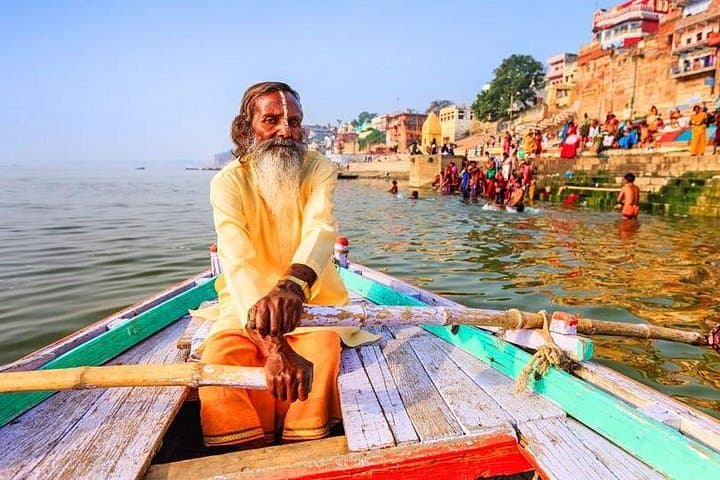
Dawn on the Ganges is the first act: priests move with practiced rhythm, incense smoke threads the air and boats slice the river as the city wakes. This six-day loop trades that intimate river morning for the vaulted courtyards of Jaipur, the marble hush of the Taj, and the scrubby granite ridges of Ranthambore where tigers still slip between shadows.
Dawn on the Ganges is the first act: priests move with practiced rhythm, incense smoke threads the air and boats slice the river as the city wakes. This six-day loop trades that intimate river morning for the vaulted courtyards of Jaipur, the marble hush of the Taj, and the scrubby granite ridges of Ranthambore where tigers still slip between shadows.
The route maps centuries of power and pilgrimage. Delhi’s contrast of Mughal mausoleums and British-era boulevards reflects layered imperial history; Agra’s Taj Mahal is a 17th-century marble pledge that draws architecture and geology together; Jaipur’s pink sandstone façades and Jantar Mantar’s astronomical instruments tell of princely ambition. Ranthambore sits on the Aravalli foothills — exposed rock, seasonal lakes and dry deciduous scrub that support sambar, jackal and elusive Bengal tiger. Varanasi, one of the subcontinent’s oldest living cities, centers around nightly Ganga Aarti ceremonies that have shaped local ritual life for centuries.
Practical guidance: expect long transfers by road and one overnight train; travel windows are early mornings and late evenings to avoid heat and to catch wildlife or sunrise rituals. Carry a small daypack for each transfer, photocopies of ID for train travel, and a lightweight jacket for cool desert mornings. For wildlife safaris, follow guide instructions closely — stay in the vehicle and keep noise low. Time bookings to avoid extreme summer heat; winter and post-monsoon months are best for tiger sightings and comfortable walking in cities. With a mix of cultural sensitivity and basic logistics — confirmed train seats, bottled water, modest dress for religious sites — this itinerary offers concentrated exposure to north India's natural and historical highlights.