THE ADVENTURE COLLECTIVE® · Independent discovery and booking for outdoor travel

Cover India’s classic Golden Triangle over six days — guided walks through Delhi’s monuments, sunset at the Taj Mahal, and a Jeep ascent to Amber Fort in Jaipur. Expect paved walking, short stair climbs and long highway transfers between cities.
Cover India’s classic Golden Triangle over six days — guided walks through Delhi’s monuments, sunset at the Taj Mahal, and a Jeep ascent to Amber Fort in Jaipur. Expect paved walking, short stair climbs and long highway transfers between cities.
You step out into Delhi before dawn: horn calls and chai steam, the sky turning from charcoal to apricot as the city wakes. Within hours the rhythm of the Golden Triangle takes over — wide highways that push you across the plains, narrow alleys where merchants haggle, and monuments that hold centuries beneath their stone.
Verified experiences and guided adventures in the surrounding area.
Operated by Julie International Tours · New Delhi, Delhi
You step out into Delhi before dawn: horn calls and chai steam, the sky turning from charcoal to apricot as the city wakes. Within hours the rhythm of the Golden Triangle takes over — wide highways that push you across the plains, narrow alleys where merchants haggle, and monuments that hold centuries beneath their stone.
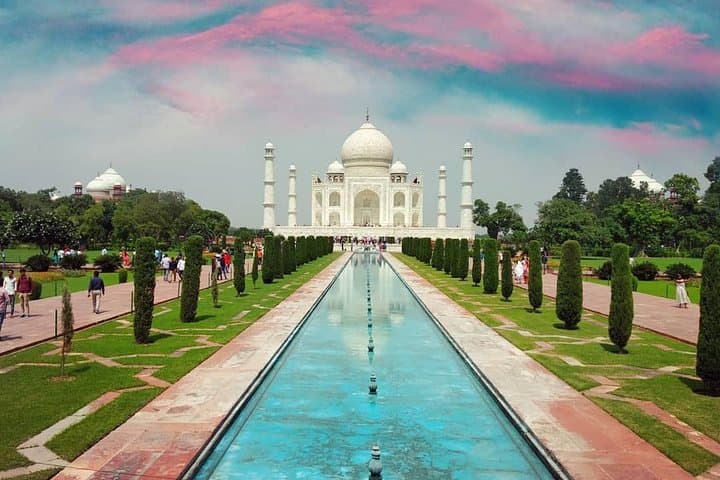
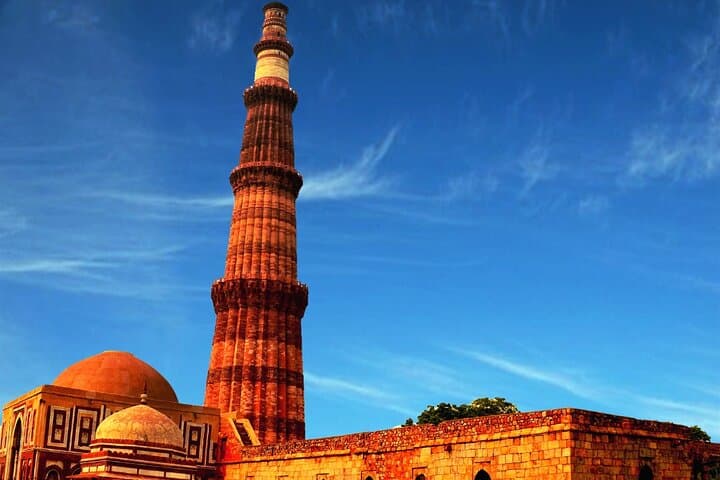
This six-day private route threads Mughal red sandstone and Rajput pink palaces. In Delhi, Mughal tombs and British-era boulevards reflect layered imperial histories; Agra’s Taj Mahal offers white-marble precision set against the flat Indo‑Gangetic plain; Jaipur’s Amber Fort and City Palace reveal Rajput courts and astronomical instruments carved into royal stone. Geologically the region is low, largely flat (Delhi ~220 m, Agra ~170 m, Jaipur ~430 m), so travel is road-focused rather than steep climbs; expect paved pathways, courtyard steps and short stair climbs in forts.
Culturally, markets brim with block-printed textiles, marble inlay and savory roadside snacks; guides here unlock stories of emperors, artisans and observatories. Practical side: Delhi to Agra ≈200 km (3–4 hrs), Agra to Jaipur ≈230–250 km (4–5 hrs); daily walking windows of 2–4 hours include uneven steps and cobbled courtyards. Sunrise at the Taj and cooler morning tours in Jaipur avoid midday heat.
Bring sun protection, comfortable shoes, and modest clothing for religious sites. Carry local currency for small purchases and tips, and confirm monument entry requirements and opening days (the Taj is closed Fridays). With sensible pacing this private itinerary blends concentrated history, accessible drives, and ample time to absorb one of India’s most storied circuits.
easy.
6 days.
Suitable for travelers in regular fitness; expect 2–4 hours of walking on paved surfaces some days and short stair climbs
Check your booking details; this private tour typically includes a guide and transfers but entrance fees for some monuments may not be included — confirm before travel.
The Taj Mahal is closed for general visitors on Fridays for congregational prayers; plan visits on other days and prefer early morning for best light and fewer crowds.
Most international visitors require a visa or e‑Visa; check your country’s requirements and apply in advance to avoid delays.
Many sites offer partial accessibility and the operator lists wheelchair‑accessible transport — but historic forts have stairs and uneven surfaces, so check specific site access in advance.
The route follows Mughal and Rajput capitals: Fatehpur Sikri was Akbar’s short-lived Mughal capital (late 16th century), while Jaipur was planned as a ceremonial capital by Jai Singh II in the 18th century.
Monument conservation is ongoing; visitors can help by not touching inlay work, using marked paths and avoiding single-use plastics in heritage zones.
Julie International Tours operates guided outdoor trips and adventures with an emphasis on safety, stewardship, and memorable experiences.


You step out into Delhi before dawn: horn calls and chai steam, the sky turning from charcoal to apricot as the city wakes. Within hours the rhythm of the Golden Triangle takes over — wide highways that push you across the plains, narrow alleys where merchants haggle, and monuments that hold centuries beneath their stone.
You step out into Delhi before dawn: horn calls and chai steam, the sky turning from charcoal to apricot as the city wakes. Within hours the rhythm of the Golden Triangle takes over — wide highways that push you across the plains, narrow alleys where merchants haggle, and monuments that hold centuries beneath their stone.
This six-day private route threads Mughal red sandstone and Rajput pink palaces. In Delhi, Mughal tombs and British-era boulevards reflect layered imperial histories; Agra’s Taj Mahal offers white-marble precision set against the flat Indo‑Gangetic plain; Jaipur’s Amber Fort and City Palace reveal Rajput courts and astronomical instruments carved into royal stone. Geologically the region is low, largely flat (Delhi ~220 m, Agra ~170 m, Jaipur ~430 m), so travel is road-focused rather than steep climbs; expect paved pathways, courtyard steps and short stair climbs in forts.
Culturally, markets brim with block-printed textiles, marble inlay and savory roadside snacks; guides here unlock stories of emperors, artisans and observatories. Practical side: Delhi to Agra ≈200 km (3–4 hrs), Agra to Jaipur ≈230–250 km (4–5 hrs); daily walking windows of 2–4 hours include uneven steps and cobbled courtyards. Sunrise at the Taj and cooler morning tours in Jaipur avoid midday heat.
Bring sun protection, comfortable shoes, and modest clothing for religious sites. Carry local currency for small purchases and tips, and confirm monument entry requirements and opening days (the Taj is closed Fridays). With sensible pacing this private itinerary blends concentrated history, accessible drives, and ample time to absorb one of India’s most storied circuits.