THE ADVENTURE COLLECTIVE® · Independent discovery and booking for outdoor travel

Trace Ghana’s coastal castles and inland Ashanti traditions on a six‑day journey from Accra to Kumasi. Expect castle dungeons, a rainforest canopy walk, kente weaving demonstrations, and market life—all told by local guides.
Trace Ghana’s coastal castles and inland Ashanti traditions on a six‑day journey from Accra to Kumasi. Expect castle dungeons, a rainforest canopy walk, kente weaving demonstrations, and market life—all told by local guides.
You step off the air‑conditioned vehicle into a wind that smells of salt and smoke from the fish markets—the Atlantic pressing against weathered castle walls as gulls wheel overhead. In Accra, broad boulevards give way to narrow lanes in Jamestown where colonial forts keep watch; farther west the coastline flattens into beaches ringed by fishing canoes. Inland, the rainforest rises and a swaying canopy walkway threads through emergent trees; beyond that the Ashanti heartland opens into markets draped with kente cloth and the quiet blue of Lake Bosomtwe.
Verified experiences and guided adventures in the surrounding area.
Operated by Kwame Tours · Accra, Greater Accra
You step off the air‑conditioned vehicle into a wind that smells of salt and smoke from the fish markets—the Atlantic pressing against weathered castle walls as gulls wheel overhead. In Accra, broad boulevards give way to narrow lanes in Jamestown where colonial forts keep watch; farther west the coastline flattens into beaches ringed by fishing canoes. Inland, the rainforest rises and a swaying canopy walkway threads through emergent trees; beyond that the Ashanti heartland opens into markets draped with kente cloth and the quiet blue of Lake Bosomtwe.
This route traces Ghana’s layered history: European trading posts turned slave castles, Akan kingdoms that resisted colonial orders, and contemporary efforts to remember and reconcile. Geologically the tour moves from low coastal plains along the Gulf of Guinea to the rainforests of Kakum and the meteorite‑formed basin of Lake Bosomtwe—each landscape shaping local livelihoods and belief systems. Culturally, expect hands‑on encounters with kente weavers, adinkra stampers, and market traders whose crafts carry symbolic language.
Practically, the itinerary includes guided castle tours, the 350‑meter Kakum canopy walk, museum visits, and market walks with moderate amounts of standing and stairs. Days are long and mostly vehicle‑based; pack breathable layers, a reliable pair of walking shoes, sun protection, and a small daypack. Bring respect—both for sacred spaces and the heavy histories on display—and allow time for reflection between sites. The trip is rich, deliberate, and best approached with curiosity and stamina.
moderate.
6 days (5 nights).
Suitable for travelers in average physical condition who can handle several hours of walking and short hikes; not a strenuous trip but expect stairs and long vehicle transfers.
The tour states that all fees and taxes are included and provides five breakfasts and five dinners; occasional paid extras (like a Door of Return ceremony or optional boat rides) may be at your expense.
Many sites list wheelchair accessibility and the tour notes it’s suitable for all fitness levels, but castles often have uneven floors and stairs—confirm accessibility needs with the operator in advance.
Local guides are provided and typically speak English; operators may also arrange guides fluent in other languages on request—confirm when booking.
Yes—market visits and town walks include time for browsing, but daily schedules are paced and guided, so plan short windows rather than full unscheduled days.
The route links 15th–18th century European forts used in the trans‑Atlantic slave trade with Ashanti cultural centers; Cape Coast and Elmina castles are UNESCO‑listed reminders of that history.
Kakum and Lake Bosomtwe face pressures from logging and visitor impact—follow trails, avoid feeding wildlife, and support community‑run craft markets to help local conservation and livelihoods.
Kwame Tours operates guided outdoor trips and adventures with an emphasis on safety, stewardship, and memorable experiences.
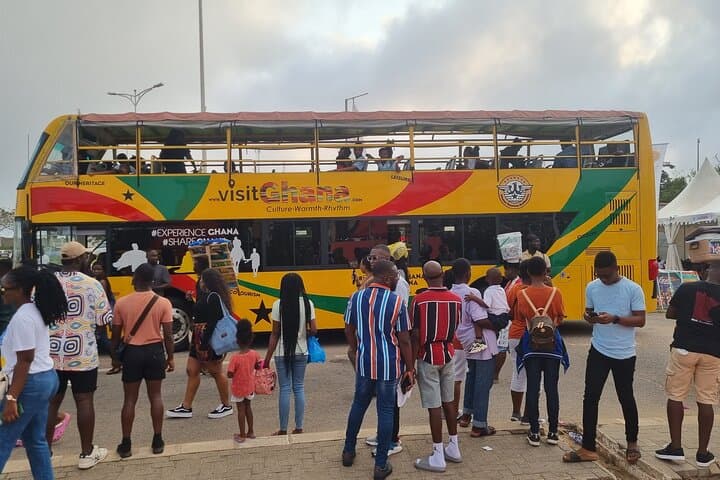
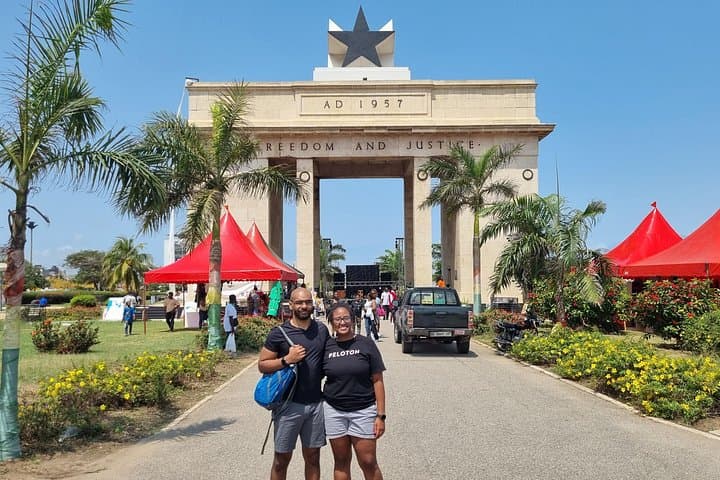
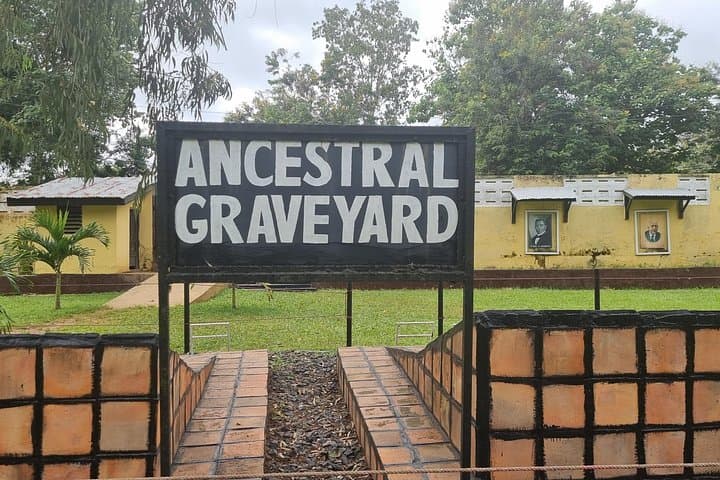
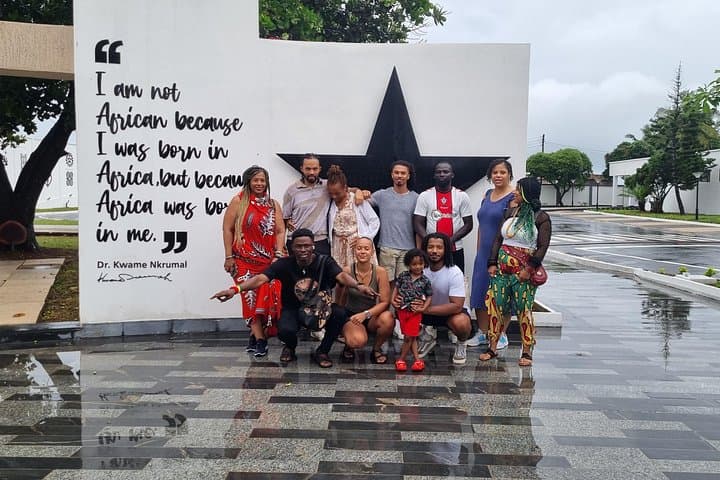
You step off the air‑conditioned vehicle into a wind that smells of salt and smoke from the fish markets—the Atlantic pressing against weathered castle walls as gulls wheel overhead. In Accra, broad boulevards give way to narrow lanes in Jamestown where colonial forts keep watch; farther west the coastline flattens into beaches ringed by fishing canoes. Inland, the rainforest rises and a swaying canopy walkway threads through emergent trees; beyond that the Ashanti heartland opens into markets draped with kente cloth and the quiet blue of Lake Bosomtwe.
You step off the air‑conditioned vehicle into a wind that smells of salt and smoke from the fish markets—the Atlantic pressing against weathered castle walls as gulls wheel overhead. In Accra, broad boulevards give way to narrow lanes in Jamestown where colonial forts keep watch; farther west the coastline flattens into beaches ringed by fishing canoes. Inland, the rainforest rises and a swaying canopy walkway threads through emergent trees; beyond that the Ashanti heartland opens into markets draped with kente cloth and the quiet blue of Lake Bosomtwe.
This route traces Ghana’s layered history: European trading posts turned slave castles, Akan kingdoms that resisted colonial orders, and contemporary efforts to remember and reconcile. Geologically the tour moves from low coastal plains along the Gulf of Guinea to the rainforests of Kakum and the meteorite‑formed basin of Lake Bosomtwe—each landscape shaping local livelihoods and belief systems. Culturally, expect hands‑on encounters with kente weavers, adinkra stampers, and market traders whose crafts carry symbolic language.
Practically, the itinerary includes guided castle tours, the 350‑meter Kakum canopy walk, museum visits, and market walks with moderate amounts of standing and stairs. Days are long and mostly vehicle‑based; pack breathable layers, a reliable pair of walking shoes, sun protection, and a small daypack. Bring respect—both for sacred spaces and the heavy histories on display—and allow time for reflection between sites. The trip is rich, deliberate, and best approached with curiosity and stamina.