THE ADVENTURE COLLECTIVE® · Independent discovery and booking for outdoor travel

Slide into the clear waters at Kicker Rock, watch blue-footed boobies cartwheel from cliff tops and meet wild giant tortoises in the highlands — all on a well-paced six-day circuit of San Cristóbal and Santa Cruz. This guided tour pairs snorkeling, short hikes and conservation highlights for first-time Galápagos travelers.
Slide into the clear waters at Kicker Rock, watch blue-footed boobies cartwheel from cliff tops and meet wild giant tortoises in the highlands — all on a well-paced six-day circuit of San Cristóbal and Santa Cruz. This guided tour pairs snorkeling, short hikes and conservation highlights for first-time Galápagos travelers.
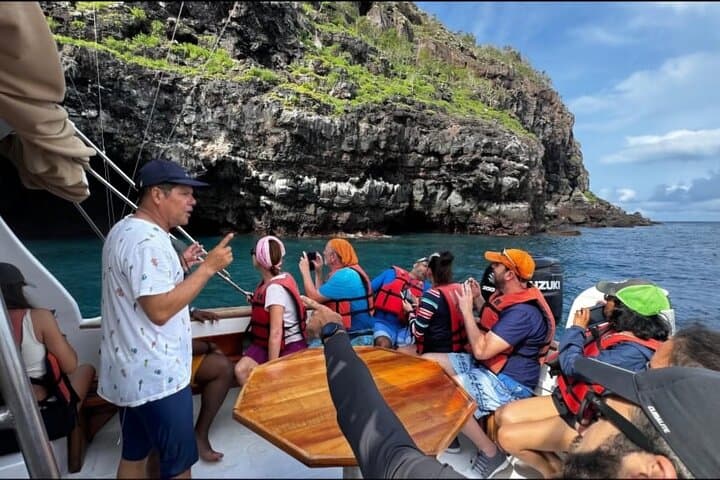
The first breath of sea air in Puerto Baquerizo Moreno tastes like salt and possibility. You step off the small plane, luggage lighter for the coming days, and the island pushes a horizon of fractured volcanic rock and glassy water toward you. On day two a jagged silhouette rises from the Pacific — Kicker Rock — and you slide into water that feels impossibly clear. Rays glide like shadows, curious sea lions thread through kelp, and a school of fish parts for a hammerhead’s slow, purposeful pass. The water here seems to dare you forward.
Verified experiences and guided adventures in the surrounding area.
Operated by Latin Adventures Cía Ltda · Puerto Ayora, Galápagos
The first breath of sea air in Puerto Baquerizo Moreno tastes like salt and possibility. You step off the small plane, luggage lighter for the coming days, and the island pushes a horizon of fractured volcanic rock and glassy water toward you. On day two a jagged silhouette rises from the Pacific — Kicker Rock — and you slide into water that feels impossibly clear. Rays glide like shadows, curious sea lions thread through kelp, and a school of fish parts for a hammerhead’s slow, purposeful pass. The water here seems to dare you forward.
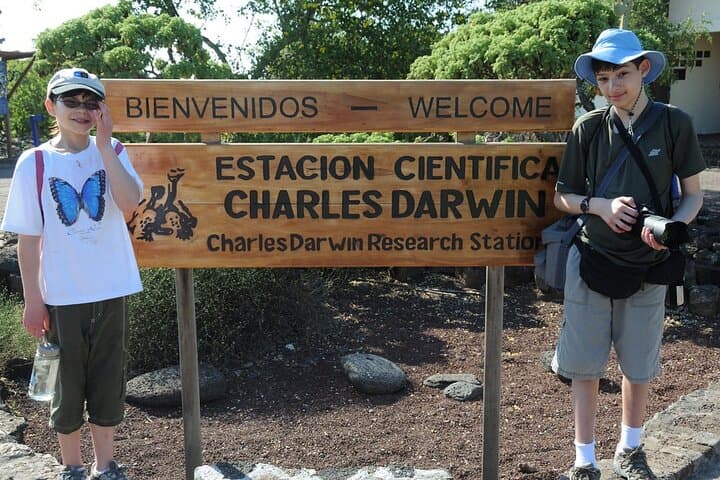
These six days stitch together two very different Galápagos personalities: the cliff-backed, bird-rich ridges of San Cristóbal and the turtle-filled highlands of Santa Cruz. Geology writes the islands’ script — uplifted lava flows, collapsed calderas and fumarolic scars — so you’ll hike crater rims at Twin Craters and walk lava tubes worn hollow by fire and time. Culture arrives in quieter notes: fishermen in Puerto Baquerizo Moreno mending nets, local guides who point out individual tortoises and tell island lore, and the steady hum of conservation at the Charles Darwin Research Station where captive-breeding programs meet fieldwork.
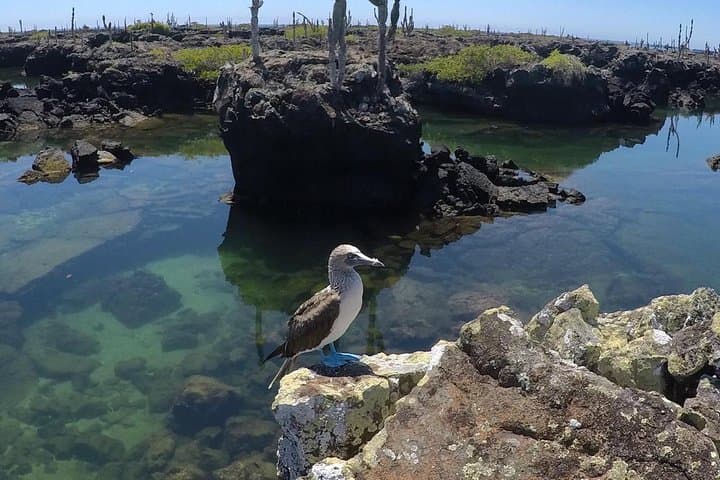
Expect a steady pulse of activity: snorkeling at Kicker Rock and Lobos Island, morning boat runs to uninhabited islets like North Seymour or Plazas, and a two-hour roundtrip walk to Tortuga Bay’s white sand. Wildlife is the headline — sea lions lounge like informal hosts on Punta Carola, blue-footed boobies perform skyward dives, and giant Galápagos tortoises wander the highland ranches with slow, blatant confidence.
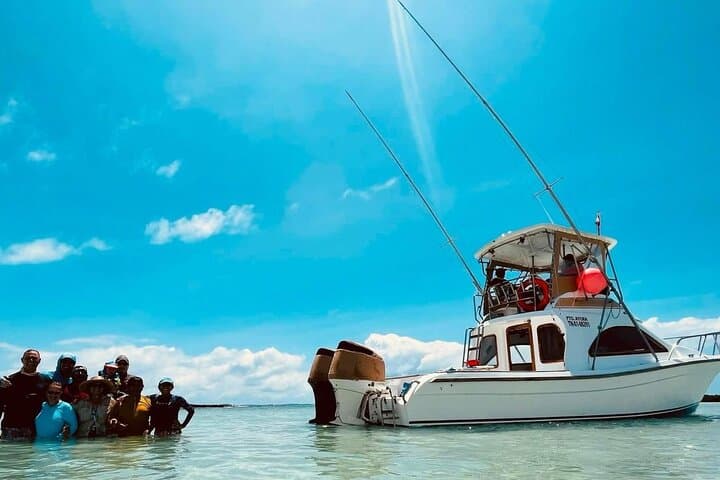
Practically, this is a well-paced trip for most travelers. Meals and five nights of hotels are included; short boat transfers and a couple of 45–120 minute hikes are typical daily rhythms. Bring reef-safe sunscreen, a well-fitting snorkel mask (snorkel and shorty wetsuit provided for water days), and sturdy walking shoes for rocky shorelines and crater trails. Seasickness can spoil a day; choose early-morning crossings and pack antiemetics if you’re sensitive. Passports are required at check-in and luggage limits are enforced — one suitcase and one carry-on per person unless otherwise cleared.
Timing also matters: mornings deliver the best underwater visibility and wildlife activity, while afternoons are yours to hunt for sunsets at Playa Mann or a quiet moment in the Santa Cruz highlands. Guides are bilingual and experienced with park rules — listen to them: staying on marked trails, no feeding wildlife, and careful boot and camera cleaning all protect the islands you’ve come to see.
By the end of day six your photos will show impossible blues, awkwardly charming tortoises and razor-edged rock stacked against sky. More urgently, you’ll carry a clearer idea of why these islands still shape science and stewardship — and how, with careful planning, you can see both its wild faces in one compact, vividly local week.
moderate.
6 days.
You should be comfortable with short hikes (up to 2 hours), beach walks and multiple boat transfers; basic swimming ability for snorkeling.
Yes — a valid passport is required at check-in; Galápagos National Park entrance card/fee is collected on arrival (handled locally). Confirm passport expiry rules before travel.
Yes — snorkeling gear and a shorty wetsuit (2.5mm) are included on water excursions, but many travelers prefer to bring a personal mask for fit and comfort.
The trip is suitable for most fitness levels with short hikes and boat transfers; however good mobility and basic swimming skills are recommended.
Typically one suitcase and one carry-on per traveler; oversized items (surfboards, bikes) may have restrictions — check with the operator before packing.
Yes — the highlands of Santa Cruz host wild tortoises and the itinerary includes ranch visits where tortoises roam freely, as well as the Charles Darwin Research Station.
Choose morning crossings, sit mid-boat for stability, and bring/ask for antiemetic medication or wristbands if you’re prone to motion sickness.
The islands were instrumental to Charles Darwin’s ideas on natural selection; the Charles Darwin Research Station on Santa Cruz continues that legacy with breeding and restoration programs.
Galápagos National Park enforces strict rules — stick to trails, avoid bringing fresh produce, and use reef-safe products to minimize ecological impact.
Latin Adventures Cía Ltda operates guided outdoor trips and adventures with an emphasis on safety, stewardship, and memorable experiences.
The first breath of sea air in Puerto Baquerizo Moreno tastes like salt and possibility. You step off the small plane, luggage lighter for the coming days, and the island pushes a horizon of fractured volcanic rock and glassy water toward you. On day two a jagged silhouette rises from the Pacific — Kicker Rock — and you slide into water that feels impossibly clear. Rays glide like shadows, curious sea lions thread through kelp, and a school of fish parts for a hammerhead’s slow, purposeful pass. The water here seems to dare you forward.
The first breath of sea air in Puerto Baquerizo Moreno tastes like salt and possibility. You step off the small plane, luggage lighter for the coming days, and the island pushes a horizon of fractured volcanic rock and glassy water toward you. On day two a jagged silhouette rises from the Pacific — Kicker Rock — and you slide into water that feels impossibly clear. Rays glide like shadows, curious sea lions thread through kelp, and a school of fish parts for a hammerhead’s slow, purposeful pass. The water here seems to dare you forward.
These six days stitch together two very different Galápagos personalities: the cliff-backed, bird-rich ridges of San Cristóbal and the turtle-filled highlands of Santa Cruz. Geology writes the islands’ script — uplifted lava flows, collapsed calderas and fumarolic scars — so you’ll hike crater rims at Twin Craters and walk lava tubes worn hollow by fire and time. Culture arrives in quieter notes: fishermen in Puerto Baquerizo Moreno mending nets, local guides who point out individual tortoises and tell island lore, and the steady hum of conservation at the Charles Darwin Research Station where captive-breeding programs meet fieldwork.
Expect a steady pulse of activity: snorkeling at Kicker Rock and Lobos Island, morning boat runs to uninhabited islets like North Seymour or Plazas, and a two-hour roundtrip walk to Tortuga Bay’s white sand. Wildlife is the headline — sea lions lounge like informal hosts on Punta Carola, blue-footed boobies perform skyward dives, and giant Galápagos tortoises wander the highland ranches with slow, blatant confidence.
Practically, this is a well-paced trip for most travelers. Meals and five nights of hotels are included; short boat transfers and a couple of 45–120 minute hikes are typical daily rhythms. Bring reef-safe sunscreen, a well-fitting snorkel mask (snorkel and shorty wetsuit provided for water days), and sturdy walking shoes for rocky shorelines and crater trails. Seasickness can spoil a day; choose early-morning crossings and pack antiemetics if you’re sensitive. Passports are required at check-in and luggage limits are enforced — one suitcase and one carry-on per person unless otherwise cleared.
Timing also matters: mornings deliver the best underwater visibility and wildlife activity, while afternoons are yours to hunt for sunsets at Playa Mann or a quiet moment in the Santa Cruz highlands. Guides are bilingual and experienced with park rules — listen to them: staying on marked trails, no feeding wildlife, and careful boot and camera cleaning all protect the islands you’ve come to see.
By the end of day six your photos will show impossible blues, awkwardly charming tortoises and razor-edged rock stacked against sky. More urgently, you’ll carry a clearer idea of why these islands still shape science and stewardship — and how, with careful planning, you can see both its wild faces in one compact, vividly local week.