THE ADVENTURE COLLECTIVE® · Independent discovery and booking for outdoor travel

A compact, expertly guided 6-day run through Egypt’s headline sites—from the Giza plateau to the temples of Luxor, Aswan, and Abu Simbel. Expect guided walks, domestic flights, and a mix of ancient architecture and modern engineering.
A compact, expertly guided 6-day run through Egypt’s headline sites—from the Giza plateau to the temples of Luxor, Aswan, and Abu Simbel. Expect guided walks, domestic flights, and a mix of ancient architecture and modern engineering.
You step out onto Cairo's warm tarmac just after dawn, the city already humming as your guide leads you past palms and concrete toward the Pyramids' silhouette. Over six days you'll move along the Nile's spine—Cairo's bustling museums and Giza plateau, the slow, sun-streaked river at Aswan, the colossal façade of Abu Simbel, and Luxor's temple fields—each place moving at its own rhythm.
Verified experiences and guided adventures in the surrounding area.
Operated by Luxor Private Day Tours · Cairo, Cairo Governorate
You step out onto Cairo's warm tarmac just after dawn, the city already humming as your guide leads you past palms and concrete toward the Pyramids' silhouette. Over six days you'll move along the Nile's spine—Cairo's bustling museums and Giza plateau, the slow, sun-streaked river at Aswan, the colossal façade of Abu Simbel, and Luxor's temple fields—each place moving at its own rhythm.
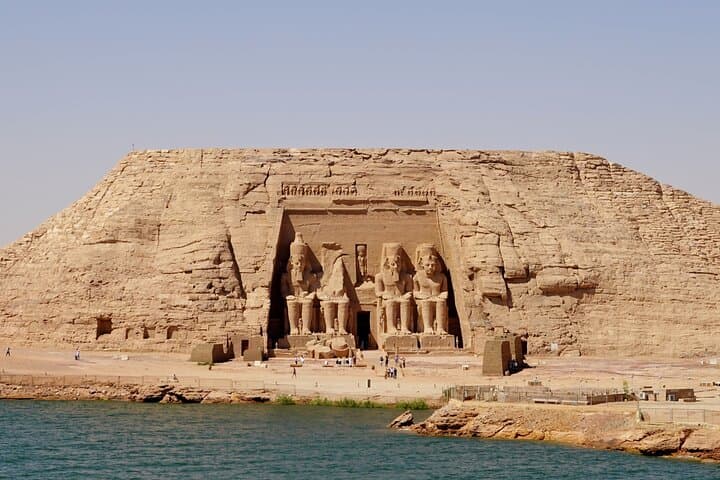
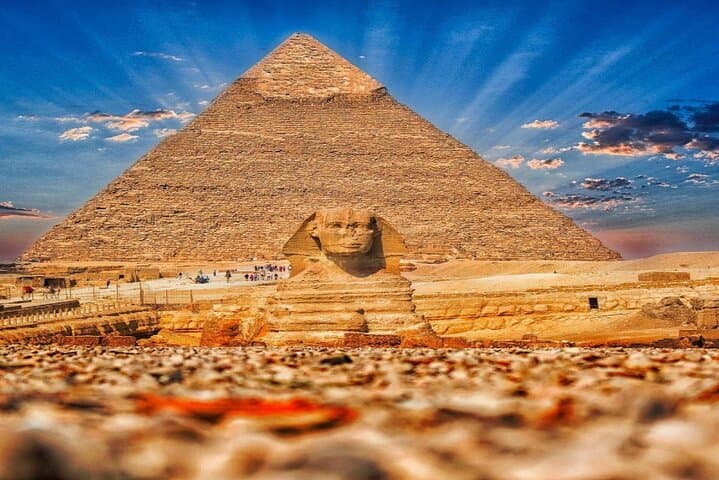
The itinerary threads millennia of history: Old Kingdom pyramids and the Sphinx at Giza; New Kingdom necropolises in the Valley of the Kings; Ramses II's chiselled giants at Abu Simbel; and the engineered achievement of the Aswan High Dam, which reshaped the Nile and modern Egypt. Geology meets craft here—sandstone and limestone carved into temples that face the river like stage sets, while silt and seasonal floods once fed the civilization that built them.
Expect cultural exchange in small, practical ways: bargaining in markets, seeing Nubian performance traditions by the Nile, and relying on Egyptologists to read the carved narratives. Logistics are straightforward but involve domestic flights and short drives between sites, plus several hours walking on uneven ground and steps.
Practical guidance: start days early to avoid midday heat, carry a refillable water bottle and sunscreen, and choose closed-toe shoes with good grip for tomb steps and temple ramps. Bring layered clothing for cooler desert mornings and modest attire for religious and museum sites. Plan for steady pacing—this is a dense cultural run more than a strenuous trek, but attention to hydration, timing, and respectful photography keeps the trip smooth and rewarding.
easy.
6 days.
Light walking fitness; able to handle uneven ground and short stair climbs for several hours per day
Yes — the tour notes include entrance fees to the listed sites and domestic flights between Cairo, Aswan, and Luxor.
This is suitable for most travelers; expect several hours of walking each day on uneven ground and stairs but no technical climbing.
Most nationalities require an entry visa for Egypt and a valid passport; check current embassy requirements and ensure passport validity beyond your travel dates.
The tour is offered as a private experience and may be tailored via the operator; confirm changes and any additional fees when booking.
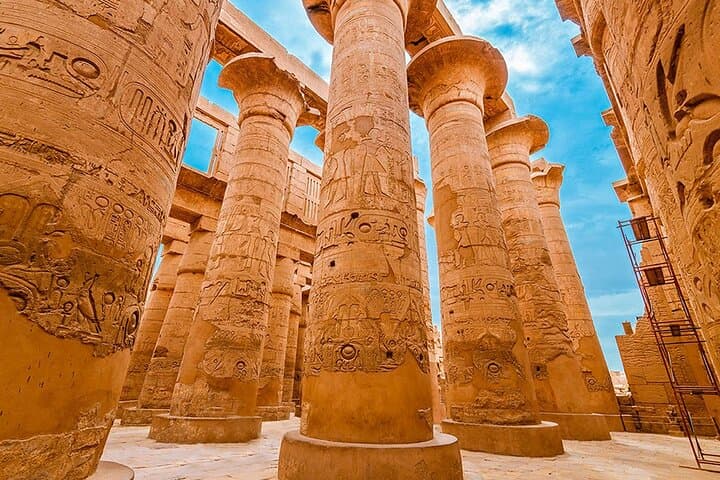
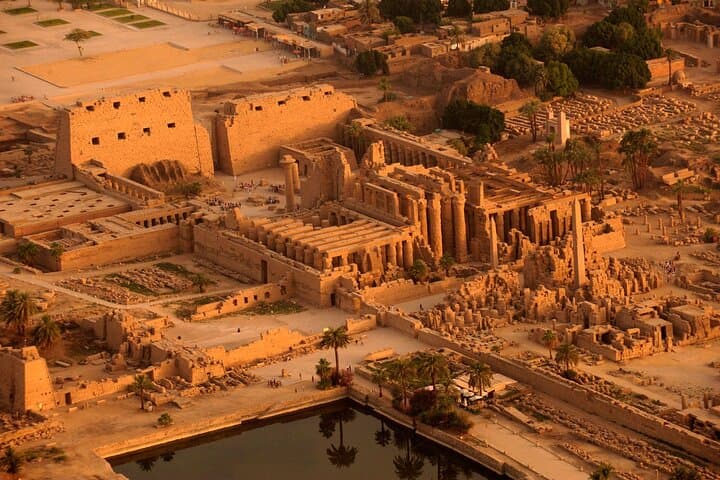
The monuments visited span Egypt’s long pharaonic eras—Ramses II’s Abu Simbel celebrates imperial might while Luxor and the Valley of the Kings preserve New Kingdom royal ritual.
Sites are fragile—follow rules about photography and touch, avoid single-use plastics, and support registered local guides to ensure economic benefits stay in the region.
Luxor Private Day Tours operates guided outdoor trips and adventures with an emphasis on safety, stewardship, and memorable experiences.
You step out onto Cairo's warm tarmac just after dawn, the city already humming as your guide leads you past palms and concrete toward the Pyramids' silhouette. Over six days you'll move along the Nile's spine—Cairo's bustling museums and Giza plateau, the slow, sun-streaked river at Aswan, the colossal façade of Abu Simbel, and Luxor's temple fields—each place moving at its own rhythm.
You step out onto Cairo's warm tarmac just after dawn, the city already humming as your guide leads you past palms and concrete toward the Pyramids' silhouette. Over six days you'll move along the Nile's spine—Cairo's bustling museums and Giza plateau, the slow, sun-streaked river at Aswan, the colossal façade of Abu Simbel, and Luxor's temple fields—each place moving at its own rhythm.
The itinerary threads millennia of history: Old Kingdom pyramids and the Sphinx at Giza; New Kingdom necropolises in the Valley of the Kings; Ramses II's chiselled giants at Abu Simbel; and the engineered achievement of the Aswan High Dam, which reshaped the Nile and modern Egypt. Geology meets craft here—sandstone and limestone carved into temples that face the river like stage sets, while silt and seasonal floods once fed the civilization that built them.
Expect cultural exchange in small, practical ways: bargaining in markets, seeing Nubian performance traditions by the Nile, and relying on Egyptologists to read the carved narratives. Logistics are straightforward but involve domestic flights and short drives between sites, plus several hours walking on uneven ground and steps.
Practical guidance: start days early to avoid midday heat, carry a refillable water bottle and sunscreen, and choose closed-toe shoes with good grip for tomb steps and temple ramps. Bring layered clothing for cooler desert mornings and modest attire for religious and museum sites. Plan for steady pacing—this is a dense cultural run more than a strenuous trek, but attention to hydration, timing, and respectful photography keeps the trip smooth and rewarding.