THE ADVENTURE COLLECTIVE® · Independent discovery and booking for outdoor travel

See Egypt’s headline monuments and cross the country by overnight sleeper: Giza’s pyramids, Saqqara’s Step Pyramid, Luxor’s temples and the Valley of the Kings. This 6-day route pairs museum-guided context with hands-on moments like a felucca ride and the sleeper train experience.
See Egypt’s headline monuments and cross the country by overnight sleeper: Giza’s pyramids, Saqqara’s Step Pyramid, Luxor’s temples and the Valley of the Kings. This 6-day route pairs museum-guided context with hands-on moments like a felucca ride and the sleeper train experience.
You step out of an air-conditioned car onto a sun-baked plateau and the Great Pyramid rises before you — geometric, luminous, and older than most human stories. The wind off the Nile carries sand and the faint tang of diesel; tourists chatter and local guides punctuate the air with dates and names. That contrast — ancient stone against modern motion — defines this six-day loop from Cairo to Luxor and back by sleeper train.
Verified experiences and guided adventures in the surrounding area.
Operated by Ayad world tours · Cairo, Cairo Governorate
You step out of an air-conditioned car onto a sun-baked plateau and the Great Pyramid rises before you — geometric, luminous, and older than most human stories. The wind off the Nile carries sand and the faint tang of diesel; tourists chatter and local guides punctuate the air with dates and names. That contrast — ancient stone against modern motion — defines this six-day loop from Cairo to Luxor and back by sleeper train.
This itinerary threads together Egypt’s most visible epochs: Old Kingdom mastabas at Saqqara; the Giza complex where Khufu, Khafre and Menkaure preside; and Thebes’ New Kingdom grandeur on the East and West Banks of Luxor, where Karnak’s avenues of ram-headed sphinxes point to a ritual skyline. Geologically, you’ll notice the Nile’s alluvial plain giving way to limestone ridges and desert escarpments, the same materials quarried for royal tombs.
Cultural notes: an Egyptologist leads most site visits, felucca sails offer a slow Nile perspective, and the sleeper train is both transit and experience — couchettes, narrow corridors, and night-time arrival rituals. Expect active walking on uneven stone, stairs in temples and crowded museum halls.
Practical guidance: travel light with a daypack, hydrate frequently in the heat, and plan early-morning temple visits to avoid crowds and midday sun. Bring a photocopy of your passport for train and ticket checks, wear sturdy shoes with grip for stepped tombs, and keep small Egyptian pounds for tips and market purchases. With basic pacing and respect for local customs, this compact program delivers the big sights and a tangible sense of Egypt’s layered history.
easy.
6 days, 5 nights.
Light to moderate—able to walk several hours across uneven surfaces each day and manage stairs in temples and tombs.
Most nationalities require a visa for Egypt—obtain one in advance or on arrival where eligible; check current embassy guidance before travel.
Sleeper trains between Cairo and Luxor are a common option with couchettes and attendants; bring earplugs and a light layer and follow guide instructions for boarding and luggage.
This itinerary lists admissions for major sites as included—confirm specifics with the operator, as some optional rooms in tombs may carry extra fees.
Tipping (baksheesh) is customary for guides, drivers and service staff; carry small bills in Egyptian pounds and tip according to the service level provided.
Luxor sits on the site of ancient Thebes, a capital of Egypt’s New Kingdom; Giza and Saqqara mark the Old Kingdom’s monumental funerary focus.
High visitor numbers strain fragile wall paintings and tomb interiors—follow path restrictions, avoid flash photography where prohibited, and support local conservation fees when offered.
Ayad world tours operates guided outdoor trips and adventures with an emphasis on safety, stewardship, and memorable experiences.
You step out of an air-conditioned car onto a sun-baked plateau and the Great Pyramid rises before you — geometric, luminous, and older than most human stories. The wind off the Nile carries sand and the faint tang of diesel; tourists chatter and local guides punctuate the air with dates and names. That contrast — ancient stone against modern motion — defines this six-day loop from Cairo to Luxor and back by sleeper train.
You step out of an air-conditioned car onto a sun-baked plateau and the Great Pyramid rises before you — geometric, luminous, and older than most human stories. The wind off the Nile carries sand and the faint tang of diesel; tourists chatter and local guides punctuate the air with dates and names. That contrast — ancient stone against modern motion — defines this six-day loop from Cairo to Luxor and back by sleeper train.
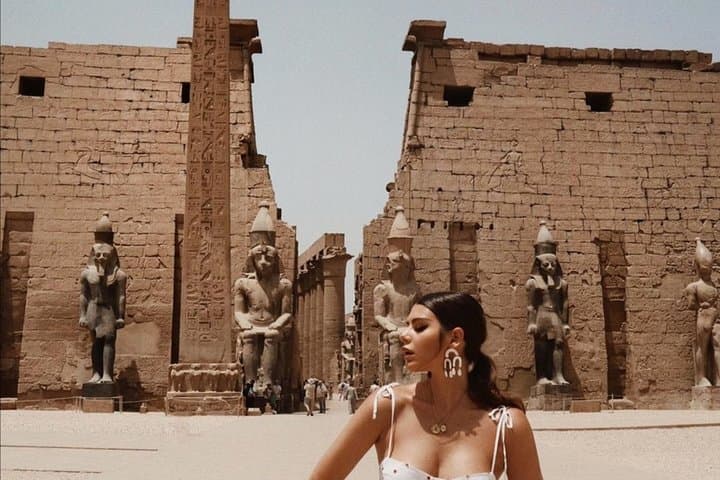
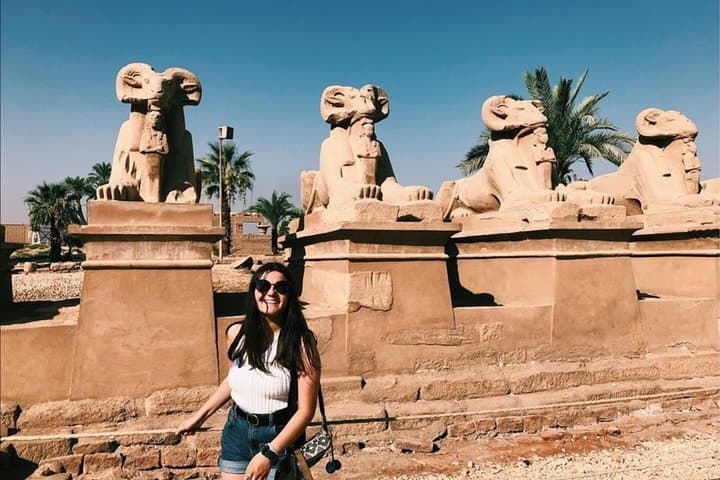
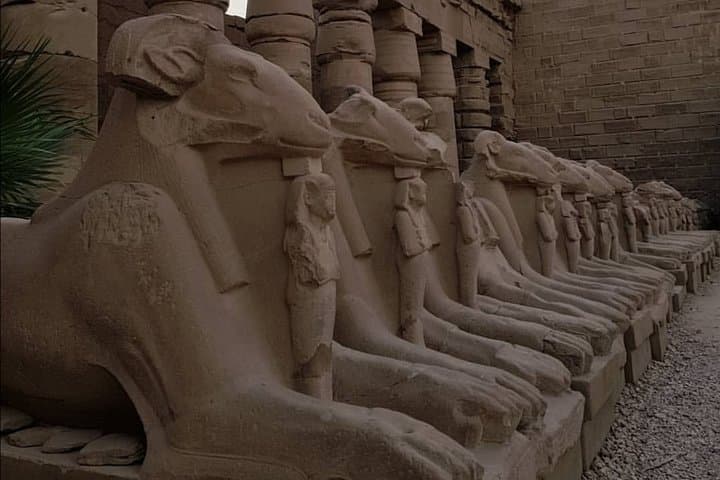
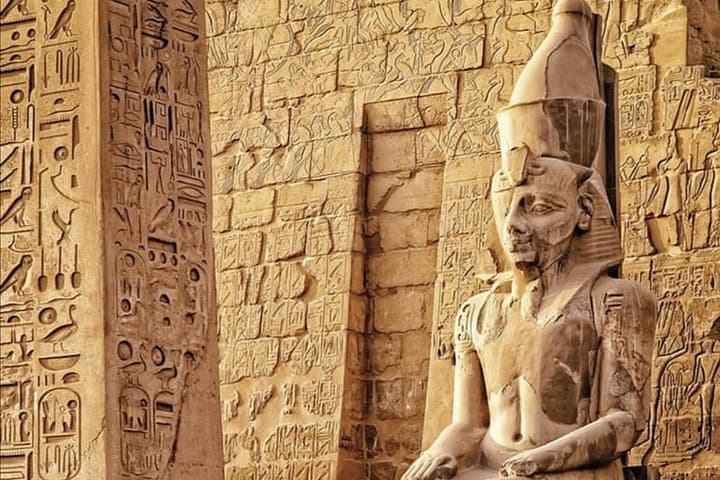
This itinerary threads together Egypt’s most visible epochs: Old Kingdom mastabas at Saqqara; the Giza complex where Khufu, Khafre and Menkaure preside; and Thebes’ New Kingdom grandeur on the East and West Banks of Luxor, where Karnak’s avenues of ram-headed sphinxes point to a ritual skyline. Geologically, you’ll notice the Nile’s alluvial plain giving way to limestone ridges and desert escarpments, the same materials quarried for royal tombs.
Cultural notes: an Egyptologist leads most site visits, felucca sails offer a slow Nile perspective, and the sleeper train is both transit and experience — couchettes, narrow corridors, and night-time arrival rituals. Expect active walking on uneven stone, stairs in temples and crowded museum halls.
Practical guidance: travel light with a daypack, hydrate frequently in the heat, and plan early-morning temple visits to avoid crowds and midday sun. Bring a photocopy of your passport for train and ticket checks, wear sturdy shoes with grip for stepped tombs, and keep small Egyptian pounds for tips and market purchases. With basic pacing and respect for local customs, this compact program delivers the big sights and a tangible sense of Egypt’s layered history.