THE ADVENTURE COLLECTIVE® · Independent discovery and booking for outdoor travel

Move from Quito’s colonial streets into cloud forest, jungle canoe rides and high-altitude craters on a six-day loop that captures Ecuador’s ecological extremes. Expect market culture, hummingbirds, river canoes and volcano panoramas with guided logistics and local insight.
Move from Quito’s colonial streets into cloud forest, jungle canoe rides and high-altitude craters on a six-day loop that captures Ecuador’s ecological extremes. Expect market culture, hummingbirds, river canoes and volcano panoramas with guided logistics and local insight.
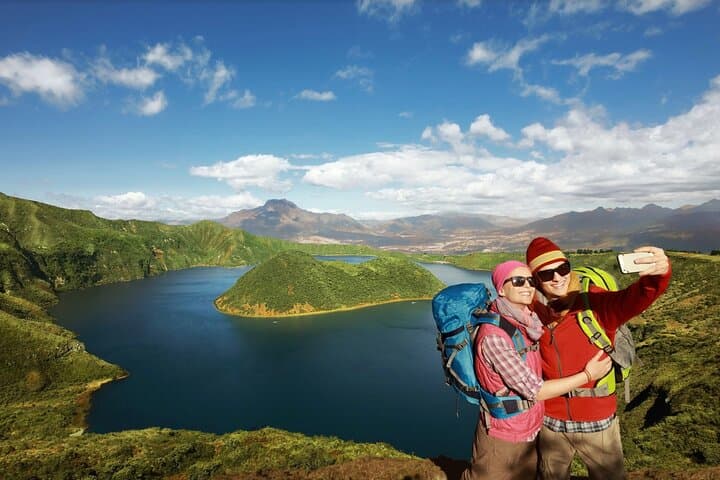
The van eases out of Quito before dawn and the Andes peel back into a ribbon of cloud and volcanic peaks — Cotacachi’s caldera, the turquoise heart of Quilotoa, and the constant, humid promise of the Napo River. On this six-day circuit, travelers move through sharp paramo, hummingbird-filled cloud forest, lowland rainforest and towns where market stalls still trade by tradition.
Verified experiences and guided adventures in the surrounding area.
Operated by Live Ecuador Tours · Quito, Pichincha
The van eases out of Quito before dawn and the Andes peel back into a ribbon of cloud and volcanic peaks — Cotacachi’s caldera, the turquoise heart of Quilotoa, and the constant, humid promise of the Napo River. On this six-day circuit, travelers move through sharp paramo, hummingbird-filled cloud forest, lowland rainforest and towns where market stalls still trade by tradition.
This route threads colonial Quito and the Otavalo market into older layers: the Kichwa weaving practices that shape Imbabura’s textiles and the volcanic geology of the Avenue of the Volcanoes, sculpted by repeated eruptions and crater collapses. The Amazon segment follows the Napo, a tributary of the Amazon Basin, where riverine life and indigenous communities shape daily rhythm; the highland days expose páramo ecosystems and active volcanoes like Cotopaxi, which at roughly 5,897 m remains a defining force for local hydrology and culture.
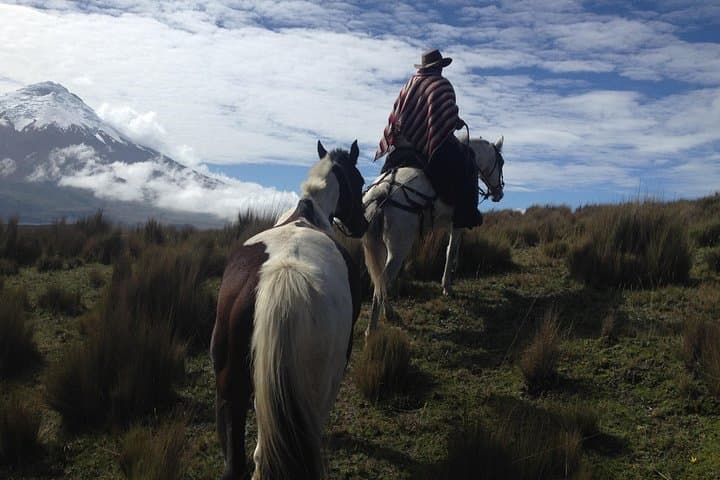
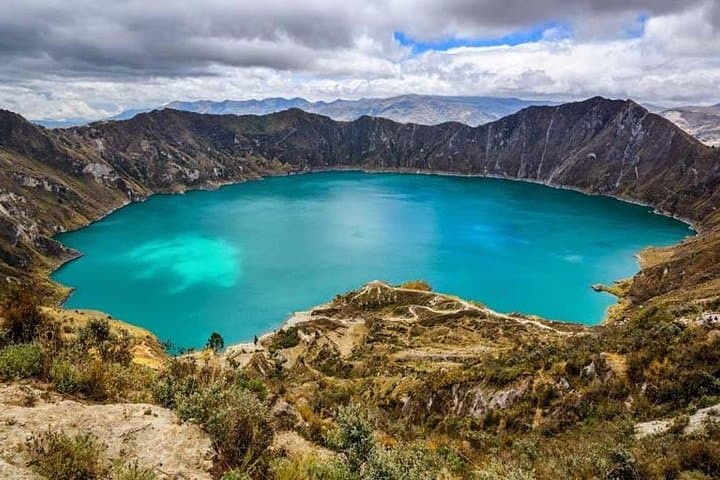
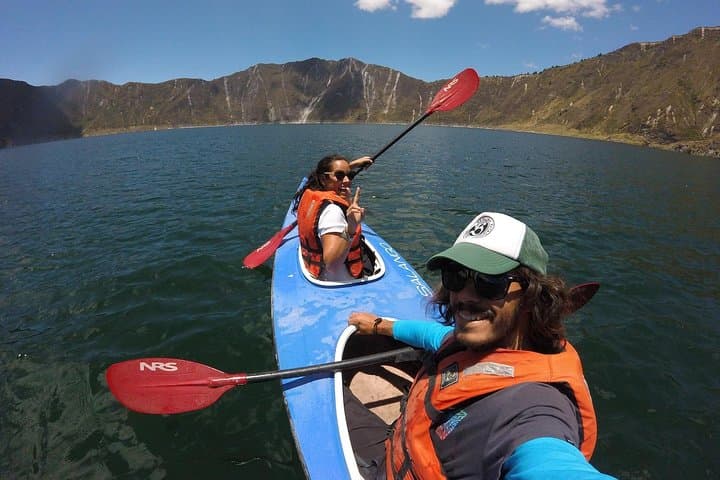
Expect a mix of easy cultural strolls and moderate outdoor sections — boat rides, short jungle treks, a Quilotoa rim walk (high altitude) and optional horseback rides on Cotopaxi’s páramo. Guides impart local environmental context and safety: river currents, altitude awareness and respect for community customs.
Practical notes: plan for rapid weather shifts, pack layers and altitude-friendly pacing, hydrate before high passes, and carry biodegradable toiletries. Timing-wise, early starts maximize wildlife sightings and clearer mountain views; afternoons often bring clouds in the highlands and rain in the rainforest. This itinerary is best for travelers who want a concentrated exposure to Ecuador’s major ecological zones with guided logistics and local expertise.
moderate.
6 days.
Moderate fitness: able to walk 2–4 hours on uneven trails, handle short hikes at altitude, and tolerate occasional boat transfers.
Check local health guidance: routine vaccinations are recommended; many travelers also get yellow fever and updated tetanus — consult a travel clinic well before departure.
Altitude reaches ~4,200–5,900 m in parts; most issues can be mitigated by acclimatizing in Quito, staying hydrated and avoiding overexertion — inform guides of any symptoms immediately.
Meals listed in the itinerary include breakfasts and several lunches/dinners; accommodations are arranged in Otavalo, jungle lodge, Baños, Quilotoa and Cotopaxi-area lodging as specified.
Yes—transport and many activities are accessible for families, but jungle treks and high-altitude sections may be challenging for very young children; check specific age limits with the operator.
Otavalo’s market reflects centuries of Kichwa textile traditions and regional exchange; Quilotoa’s lake fills a 250 m deep caldera formed by a Plinian eruption and collapse.
The itinerary crosses fragile páramo and Amazon ecosystems — stick to trails, avoid single-use plastics, and support local guides and community projects that invest in conservation.
Live Ecuador Tours operates guided outdoor trips and adventures with an emphasis on safety, stewardship, and memorable experiences.
The van eases out of Quito before dawn and the Andes peel back into a ribbon of cloud and volcanic peaks — Cotacachi’s caldera, the turquoise heart of Quilotoa, and the constant, humid promise of the Napo River. On this six-day circuit, travelers move through sharp paramo, hummingbird-filled cloud forest, lowland rainforest and towns where market stalls still trade by tradition.
The van eases out of Quito before dawn and the Andes peel back into a ribbon of cloud and volcanic peaks — Cotacachi’s caldera, the turquoise heart of Quilotoa, and the constant, humid promise of the Napo River. On this six-day circuit, travelers move through sharp paramo, hummingbird-filled cloud forest, lowland rainforest and towns where market stalls still trade by tradition.
This route threads colonial Quito and the Otavalo market into older layers: the Kichwa weaving practices that shape Imbabura’s textiles and the volcanic geology of the Avenue of the Volcanoes, sculpted by repeated eruptions and crater collapses. The Amazon segment follows the Napo, a tributary of the Amazon Basin, where riverine life and indigenous communities shape daily rhythm; the highland days expose páramo ecosystems and active volcanoes like Cotopaxi, which at roughly 5,897 m remains a defining force for local hydrology and culture.
Expect a mix of easy cultural strolls and moderate outdoor sections — boat rides, short jungle treks, a Quilotoa rim walk (high altitude) and optional horseback rides on Cotopaxi’s páramo. Guides impart local environmental context and safety: river currents, altitude awareness and respect for community customs.
Practical notes: plan for rapid weather shifts, pack layers and altitude-friendly pacing, hydrate before high passes, and carry biodegradable toiletries. Timing-wise, early starts maximize wildlife sightings and clearer mountain views; afternoons often bring clouds in the highlands and rain in the rainforest. This itinerary is best for travelers who want a concentrated exposure to Ecuador’s major ecological zones with guided logistics and local expertise.