THE ADVENTURE COLLECTIVE® · Independent discovery and booking for outdoor travel

A six-day 4x4 desert circuit from Cairo that combines Fayoum’s lakes, the UNESCO fossil beds of Wadi Hitan, the black sands of Bahariya and the surreal mushroom rocks of the White Desert. Expect long drives, basic campsites and dramatic, otherworldly scenery.
A six-day 4x4 desert circuit from Cairo that combines Fayoum’s lakes, the UNESCO fossil beds of Wadi Hitan, the black sands of Bahariya and the surreal mushroom rocks of the White Desert. Expect long drives, basic campsites and dramatic, otherworldly scenery.
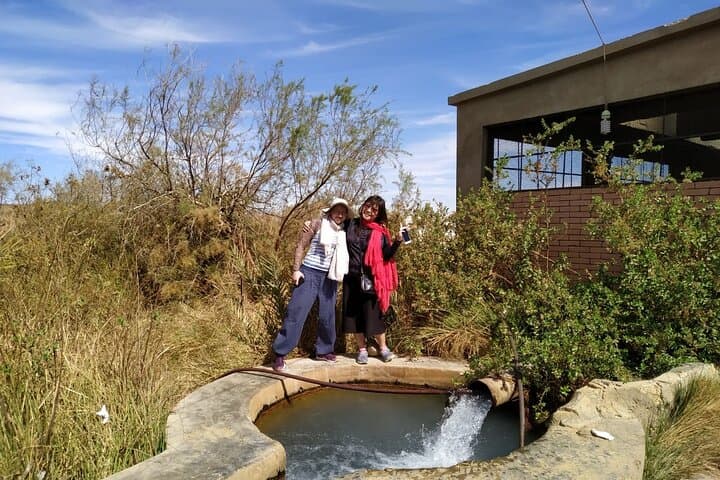
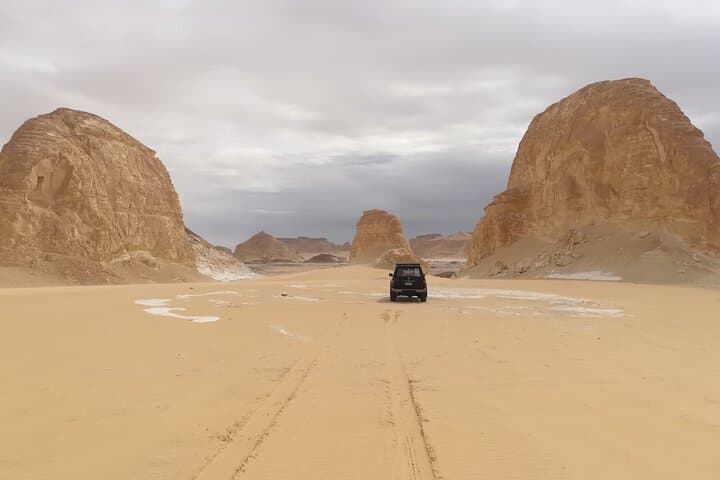
Morning begins with the rattle of a Land Cruiser and the sharp light of the Western Desert spilling across the windshield. Roads leave the Nile’s green band and the landscape opens to salt flats, low dunes and sudden pockets of palms—Fayoum’s lakes and Wadi Rayan feel alive in contrast to the empty hush of the chalk plains that follow.
Verified experiences and guided adventures in the surrounding area.
Operated by This is Egypt Tours · Cairo, Cairo
Morning begins with the rattle of a Land Cruiser and the sharp light of the Western Desert spilling across the windshield. Roads leave the Nile’s green band and the landscape opens to salt flats, low dunes and sudden pockets of palms—Fayoum’s lakes and Wadi Rayan feel alive in contrast to the empty hush of the chalk plains that follow.
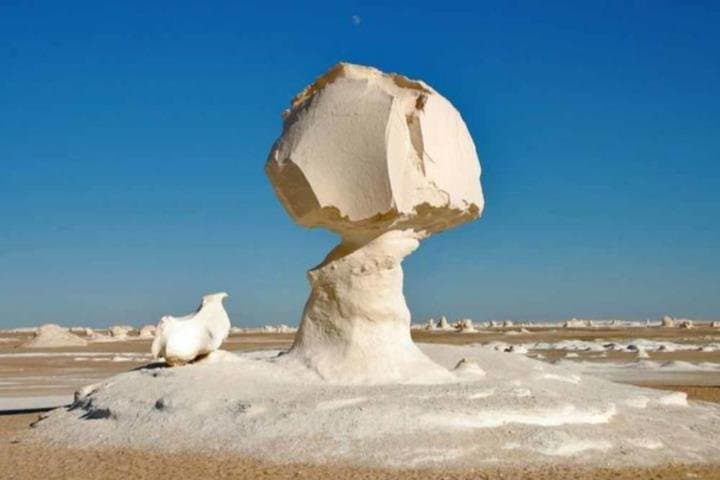
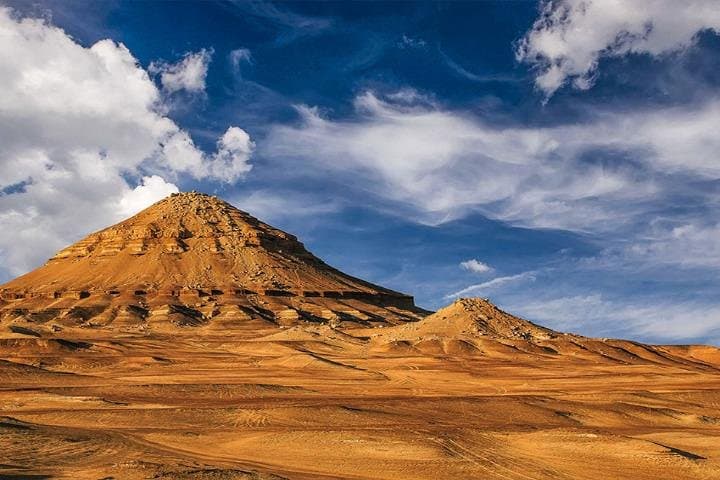
This route threads geological time with living culture: Wadi Hitan (Valley of the Whales) preserves 40-million-year-old whale skeletons and is a UNESCO site; the White Desert’s wind-carved chalk mushrooms read like a slow, patient sculpture garden. Bahariya’s Black Desert owes its color to iron-rich volcanic rocks, while the oases—Dakhla, Kharga, Fayoum—have supported agriculture and caravan trade since pharaonic and Roman times. Bedouin camps and small settlements offer a human counterpoint to the wide, elemental spaces.
Expect long drives (stretches of 4–6 hours), short walks to viewpoints and fossil sites, and two or more nights camping under open sky. Accommodations alternate between simple campsites and local hotels; transport is in 4x4 Toyota Land Cruisers.
Practical tips: plan for intense daytime heat and cold desert nights, carry at least 3–4 liters of water per person when off-road, and bring layers, sun protection, and sturdy shoes for rocky walks. A soft copy of passports is required for permits. Respect fragile chalk formations and fossil beds—leave no trace. The trip is an accessible desert safari that rewards patience with striking geology, quiet starfields and a close-up look at Egypt’s lesser-known landscapes.
easy.
6 days.
Suitable for most travelers who can handle multi-hour vehicle transfers, short walks on uneven terrain, and basic camping.
Yes; the itinerary notes the trip is suitable for all fitness levels, but families should be prepared for long vehicle transfers and basic camping conditions.
The operator arranges necessary permits; you’ll be asked to share passport details at least 24 hours before departure to process licenses for desert areas.
Camps are basic: sleeping tents, shared toilets in some locations and communal meals. Bring earplugs and a headlamp for comfort.
Yes—meals listed in the itinerary (breakfasts, lunches, dinners) and transfers from Cairo are included; 4x4 transport is provided for excursions.
The Western Desert holds fossil sites like Wadi Hitan that document whale evolution, and the oases have been agricultural and trade centers since pharaonic and Roman eras.
The chalk formations and fossil beds are fragile—visitors should avoid climbing sculptures, pack out waste, and follow guide instructions to protect sites and local water resources.
This is Egypt Tours operates guided outdoor trips and adventures with an emphasis on safety, stewardship, and memorable experiences.
Morning begins with the rattle of a Land Cruiser and the sharp light of the Western Desert spilling across the windshield. Roads leave the Nile’s green band and the landscape opens to salt flats, low dunes and sudden pockets of palms—Fayoum’s lakes and Wadi Rayan feel alive in contrast to the empty hush of the chalk plains that follow.
Morning begins with the rattle of a Land Cruiser and the sharp light of the Western Desert spilling across the windshield. Roads leave the Nile’s green band and the landscape opens to salt flats, low dunes and sudden pockets of palms—Fayoum’s lakes and Wadi Rayan feel alive in contrast to the empty hush of the chalk plains that follow.
This route threads geological time with living culture: Wadi Hitan (Valley of the Whales) preserves 40-million-year-old whale skeletons and is a UNESCO site; the White Desert’s wind-carved chalk mushrooms read like a slow, patient sculpture garden. Bahariya’s Black Desert owes its color to iron-rich volcanic rocks, while the oases—Dakhla, Kharga, Fayoum—have supported agriculture and caravan trade since pharaonic and Roman times. Bedouin camps and small settlements offer a human counterpoint to the wide, elemental spaces.
Expect long drives (stretches of 4–6 hours), short walks to viewpoints and fossil sites, and two or more nights camping under open sky. Accommodations alternate between simple campsites and local hotels; transport is in 4x4 Toyota Land Cruisers.
Practical tips: plan for intense daytime heat and cold desert nights, carry at least 3–4 liters of water per person when off-road, and bring layers, sun protection, and sturdy shoes for rocky walks. A soft copy of passports is required for permits. Respect fragile chalk formations and fossil beds—leave no trace. The trip is an accessible desert safari that rewards patience with striking geology, quiet starfields and a close-up look at Egypt’s lesser-known landscapes.